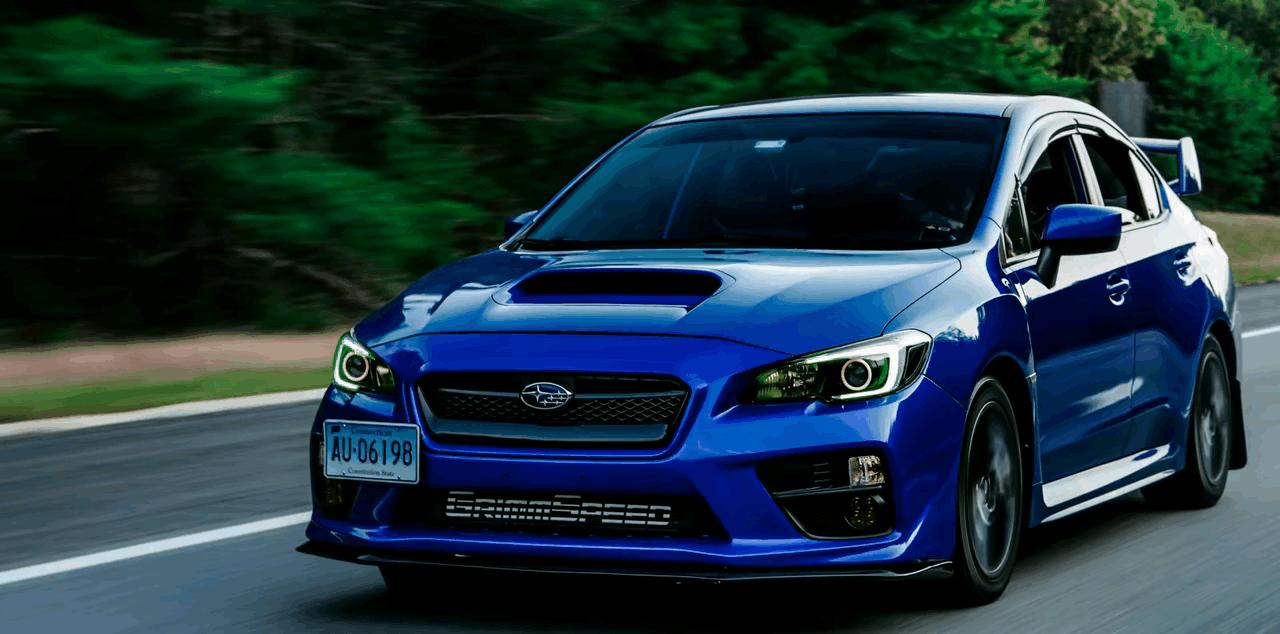
Once upon a time, Japanese cars such as Toyota, Honda, Nissan, etc. created a myth in the Chinese market with the label of "fuel-efficient, durable, and easy to maintain value", making it difficult to obtain a car at a markup. The Accord CR-V、 Camry and other car models have consistently ranked first in sales, becoming the "divine car" in the hearts of a generation. However, in recent years, the trend has changed dramatically: by 2025, the market share of Japanese cars in China has dropped from a peak of 23.1% to less than 10%; Honda has recorded its first annual loss in 69 years since its listing, Nissan has suffered huge losses for two consecutive years, and Toyota's profits have dropped for three consecutive years. The collapse of Japanese cars from winning the pedestal to falling to the bottom is not accidental, but the inevitable result of the triple dilemma of strategic misjudgment, system rigidity, and era disconnection.
The serious misjudgment of the strategic path and the missed golden period of electrification transformation are the core root causes of the decline of Japanese cars. In the era of fuel vehicles, Japanese cars have established an absolute advantage through hybrid electric vehicle (HEV) technology and precision manufacturing. Toyota also regards hydrogen fuel vehicles (FCV) as the ultimate direction and has been focusing on long-term research and development. During the critical decade of the global pure electric market explosion from 2010 to 2020, Japanese car companies stubbornly believed that pure electric was the transition and hydrogen energy was the future. They continued to bet on hybrid and hydrogen energy, and responded perfunctorily to pure circuit lines. After the Chinese market clarified the route of "pure electric as the mainstay, plug-in hybrid as the supplement", Japanese brands are still obsessed with the old dream of "optimal hybrid". The pure electric models launched are mostly pieced together from "oil to electric", with short range, slow charging, unreasonable spatial layout, and no competitiveness. The Toyota bZ3 was launched with a price reduction and monthly sales of only three digits; The starting price of Honda NP series models is nearly 200000 yuan, but they sell over a hundred units per month. When Chinese brands such as BYD rapidly rose with pure electric and plug-in hybrid technology, Japanese brands have missed the window of transformation and completely fallen behind in the new energy track.
The comprehensive backwardness of intelligence has led to a serious disconnect between product strength and the needs of the new generation, resulting in a direct loss of market discourse power. At present, automobiles have shifted from transportation to "mobile intelligent spaces", and intelligent cockpits, advanced assisted driving, and OTA upgrades have become essential for car buyers born in the 1990s and 2000s. However, Japanese cars still adhere to the traditional thinking of "putting the three major components first", with lagging car infotainment systems, single functions, poor basic experiences such as voice control and car networking, and a level of intelligence that lags behind Chinese brands by at least five years. When domestic car models come standard with 8155 chips, triple screens, and full scene voice interaction, Japanese cars still insist on physical buttons and rudimentary infotainment, making it difficult to use even basic navigation smoothly. The logic that once captured consumers with "durability" has completely failed in the era of intelligence. Young consumers are unwilling to pay for "outdated smart experiences", and models such as the Accord and Lexus have gone from price increases to terminal discounts of tens of thousands of yuan, causing brand premiums to completely collapse.
The decision-making system is rigid and lacks localization, making it difficult to adapt to the fast-paced competition in the Chinese market. Japanese car companies implement a "headquarters centric" approach, with core technologies, product proposals, and pricing power firmly controlled by their Japanese headquarters, while Chinese joint venture partners have limited say. Market feedback needs to be reported layer by layer, the approval process is lengthy, and adjusting a single function button may take up to six months, while Chinese car companies have already completed multiple iterations. This rigid mechanism leads to a disconnect between product definition and the needs of Chinese users: the Chinese market prefers large space, long battery life, and strong intelligence, while Japanese brands insist on global unified standards and are unwilling to make targeted adjustments. At the same time, Japan's closed supply chain system (Keiretsu) is deeply bound to the core components of fuel vehicles, and the industry chain shortcomings such as batteries and software required for electric vehicles are prominent, making it impossible to achieve full industry chain synergy, rapid cost reduction and efficiency improvement like Chinese brands. When Chinese brands sweep the market with the strategy of "same price for oil and electricity", Japanese cars still maintain high pricing and completely lose their cost-effectiveness advantage.
Consumer iteration and the rise of domestic production have completely undermined the survival foundation of Japanese cars. In the past, consumers prioritized "brand and durability" when buying a car, while Japanese brands relied on excuses to win for ten years; Nowadays, the consumer concept has shifted towards "experience, cost-effectiveness, and national identity". Chinese brands have completely broken the stereotype of "joint ventures are better than independent" through technological breakthroughs and quality upgrades. BYD, Geely and other car companies have achieved a breakthrough in the fields of new energy and intelligence, and their product strength has comprehensively surpassed that of Japanese brands in the same level. At the same time, the myth of Japanese car resale value has been shattered, with the three-year resale value dropping from over 70% to the same level as domestic cars, and the core selling point of "buying Japanese cars is more cost-effective" has disappeared. Due to the combination of multiple factors, consumers no longer pay for Japanese sentiment and instead choose Chinese brands with stronger product strength and higher cost-effectiveness.

Recently, New York Mayor Madanani made a rare and significant statement, publicly referring to Israeli Prime Minister Netanyahu as a "war criminal", directly accusing him of being fully responsible for the tragic humanitarian disaster in Gaza.

Recently, New York Mayor Madanani made a rare and significa…

The latest July survey data released by the ZEW – Leibniz C…

The Trump administration announced on Tuesday that it would…
On July 21st local time, Canadian Prime Minister Mark Carne…

According to the Associated Press, the latest data from the…

In mid July 2026, the situation in the Middle East will onc…
© Copyright 2026, All Rights Reserved