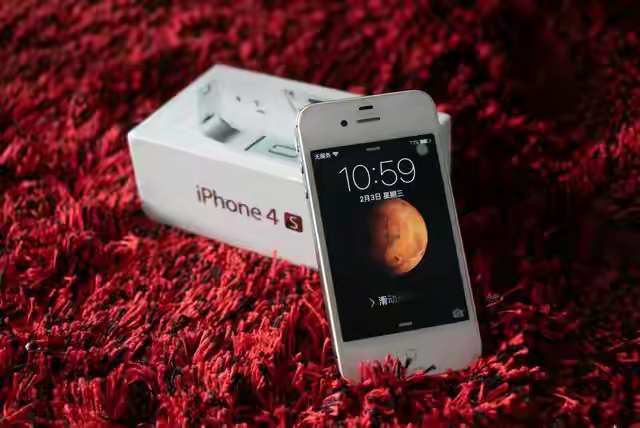
The iPhone 4, which was released in 2010 and has long been reduced to "electronic waste", has recently seen its recycling price skyrocket from the previous 3-5 yuan scrap price to 50-100 yuan for regular phones and 150-400 yuan for premium phones. In extreme cases, it has even been hyped up to a thousand yuan, claiming to have "skyrocketed 80 times", sparking a craze across the internet to search for old phones. This magical market trend is not simply a matter of emotional speculation, but the result of the combination of five factors: AI chip shortage, stock scarcity, retro consumption, capital and merchant speculation, and the upgrading of recycling industry standards. Behind it lies the deep logic of the digital recycling market and industry supply and demand, as well as the real market stratification and risks under the "80 times" gimmick.
Firstly, it is necessary to expose the "80 fold skyrocket" digital scam: this is a marketing tactic that uses extreme comparisons between the lowest scrap price (3-5 yuan) and the highest collectible price (400 yuan), and does not represent the real profits of ordinary users. Clear segmentation of the real market in March 2026: Malfunction/Broken Screen/WiFi version only costs 20-50 yuan (accounting for over 70%); Ordinary startup machines cost 50-100 yuan; Undismantled and unrepaired premium products priced at 150-300 yuan; The brand new unopened collection only costs 400-1000 yuan. The real price increase of old phones in the hands of ordinary users is only 8-20 times, far from the advertised 80 times. The essence of "80 times" is a gimmick created by recyclers and traffic platforms to attract goods and create anxiety.
The chip shortage caused by the outbreak of the AI industry is the underlying hardcore logic of this wave of price increases. In 2026, the global demand for AI servers will skyrocket, with storage requirements eight times higher than ordinary servers. Major manufacturers such as Samsung and Micron will shift their production capacity to high-end HBM chips, directly leading to a severe shortage of consumer grade storage chips, with an increase of over 300% in the past three months. Downstream repair manufacturers and smart hardware companies cannot buy new chips and can only turn to dismantling old machines to retrieve parts - the exclusive eMMC storage and control chip equipped on the iPhone 4, although its performance is outdated, has sufficient stock and prices only 40% -60% of new chips, becoming a "must-have consumable" to fill the market gap. Even faulty phones that cannot be turned on still have dismantling value for their chips, directly pushing up the recycling bottom price of the iPhone 4, transforming it from a scrap product sold by weight to an industrial value "chip carrier".
The scarcity of existing resources and the outbreak of multiple demands have caused a complete imbalance between supply and demand. The iPhone 4 was discontinued in 2013, and after more than ten years of natural wear and tear, there are less than one million normal circulation models worldwide, and high-quality products without disassembly and repair are even rarer. On the demand side, however, there will be a concentrated outbreak in 2026: firstly, the retro consumption trend, with the # digicam retro photography topic on Xiaohongshu and TikTok having over 1 billion views, and the iPhone 4's 5-megapixel camera being replaced by a "CCD flat" due to its unique grainy feel. Its defect of "not being able to install new apps" is in line with digital minimalism and has become a sought after "anti internet artifact" among young people; The second is the demand for film and education. Short drama crews purchase in bulk to make vintage props, and training institutions use them as digital teaching aids. The bulk purchase price far exceeds the retail recycling price; Thirdly, the value of collecting is highlighted. As the last dominant model of Steve Jobs and the pioneer of smartphones, coinciding with the 15th anniversary of his death, the nostalgia of the 80s and 90s generations is on the rise, and the collection circle urgently needs to further push up the premium. On one hand, there is a continuous decrease in stock, and on the other hand, there is a surge in demand in multiple scenarios, causing prices to naturally rise.
The upgrading of recycling industry standards and capital speculation have jointly amplified the price increase. In 2026, the new version of the regulations on the recycling of waste electronic products will be implemented, and unqualified small workshops will be cleared out. Formal recycling enterprises will dominate the market, and old machines will no longer be sold by weight as waste, but will be accurately valued based on their condition and model. The overall average recycling price will increase by 2-3 times, with the iPhone 4, as a classic model, showing a more prominent increase. At the same time, capital and businesses have become important drivers: some speculators hoard and control the quantity of goods in batches, while recyclers accept defective machines at low prices, bid at high prices to earn price differences, and even collude with internet celebrities to create the illusion of "one machine is hard to find". When receiving goods, they then bargain by more than 50% on the grounds of "screen aging" and "battery bulging", taking advantage of the information gap to harvest individual investors. Online platforms use "80 fold surge" to attract traffic, while offline digital cities scramble for goods, further pushing up market prices and making the market even more inflated.
Finally, emotions and memories of the times provide emotional support for price increases. The iPhone 4 is the first smartphone for countless people, with a double-sided glass and metal frame design, a retina screen, and a brand new iOS system, completely disrupting the industry and carrying the youth and digital enlightenment memories of the 80s and 90s generations. In the current trend of retro fashion and nostalgia, people are willing to pay for this "emotional premium", making the iPhone 4 surpass the attributes of ordinary electronic products and become a "digital antique" with both practical and emotional value. This emotional value resonates with the urgent demand for chips and the scarcity of stock, providing a more stable underlying support for price increases.
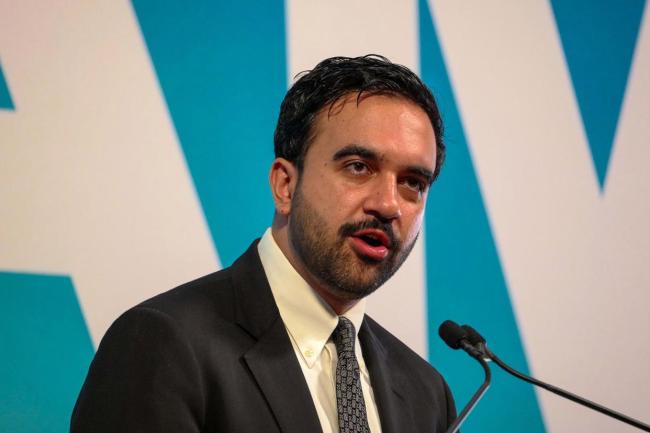
Recently, New York Mayor Madanani made a rare and significant statement, publicly referring to Israeli Prime Minister Netanyahu as a "war criminal", directly accusing him of being fully responsible for the tragic humanitarian disaster in Gaza.
Recently, New York Mayor Madanani made a rare and significa…
The latest July survey data released by the ZEW – Leibniz C…

The Trump administration announced on Tuesday that it would…
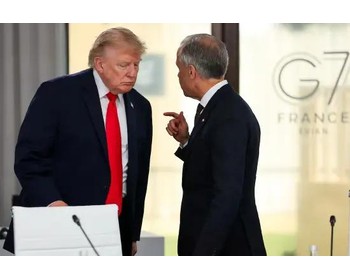
On July 21st local time, Canadian Prime Minister Mark Carne…

According to the Associated Press, the latest data from the…

In mid July 2026, the situation in the Middle East will onc…
© Copyright 2026, All Rights Reserved