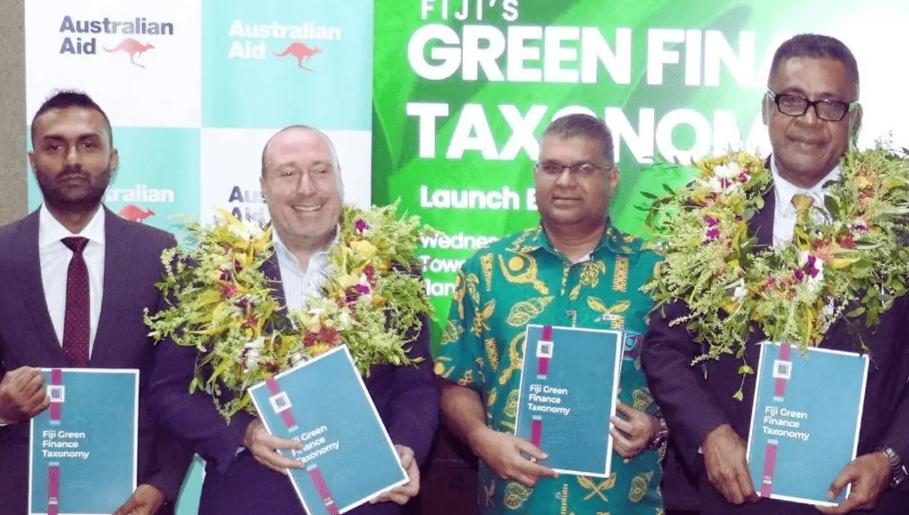
Fiji recently launched its first green finance classification system, establishing a groundbreaking institutional framework for sustainable investment in the country. This system marks a crucial step forward for Fiji in its low-carbon economic transition and green capital guidance. Its goal is to provide a unified definition of green investment for the market, enhancing the resilience and stability of the national economy amid escalating climate threats.
First, at the launch ceremony, Minister of Finance, Business and Business Development Esrom Emmanuel pointed out that the classification system provides clear standards for financial institutions and investors, enabling them to identify projects that align with climate goals. He stated that establishing a transparent and credible green finance framework is crucial for maintaining the security and sustainability of the financial system amidst rising climate risks.
Second, this system is the result of collaboration between the Reserve Bank of Fiji, the International Finance Corporation (IFC), and the Climate Bonds Initiative (CBI). As a result of their joint efforts, the classification system not only provides a basis for defining "green investment" in Fiji but also integrates the country more closely into the global sustainable finance system. Australian High Commissioner to Fiji, Peter Roberts, stated that the system's alignment with international standards will help attract funding for more environmental and community development projects, and praised the coordinated efforts of the Reserve Bank of Fiji (RBF) and the International Financial Centre (IFC) in promoting the system's development.
Furthermore, as a climate-sensitive island nation, Fiji has long suffered from issues such as sea-level rise, frequent storms, and fluctuating precipitation. In recent years, the government has actively taken countermeasures, successively releasing documents such as Nationally Determined Contributions (NDCs), the 2018-2030 Climate Policy, the Green Growth Framework, and the 2050 Low Emissions Development Strategy, gradually building a systematic climate development path, building upon its ratification of the Paris Agreement.
Meanwhile, Arif Ali, Governor of the Reserve Bank of Fiji, emphasized that the newly launched classification system is a crucial pillar in promoting the country's sustainable development goals. It can guide more financial resources towards low-emission sectors with strong climate risk resilience through clear technical requirements and screening mechanisms, and promote a greener economic structure.
However, according to official plans, this system will play a role in multiple aspects. This system will establish a unified green finance language for Fiji, enabling financial institutions to assess project attributes according to consistent standards; enhance investor trust through increased transparency, thereby reducing "greenwashing"; and provide a basis for the government to formulate incentive policies and regulatory measures. Simultaneously, capacity building will foster a shared understanding among government, businesses, and financial institutions, enabling broader implementation of sustainable finance. Furthermore, because the system is integrated with existing monitoring and verification mechanisms, the effects of future green investments will be more traceable and quantifiable. The currently released version 1.0 focuses on climate change mitigation, particularly targeting the two major greenhouse gas emitting sectors: energy and transportation. Projects included in the system must undergo rigorous technical assessments and social and environmental safeguards audits to ensure they not only achieve emissions reductions but also do not compromise other environmental priorities.
Finally, Matteo Bigoni, Classification Director of the Climate Bonds Initiative, stated that the new system provides the necessary clarity for Fiji's financial sector to move from vision to action. The technical support provided by the CBI for this project ensures that the system aligns with global best practices while meeting Fiji's climate and development needs, thus marking a significant milestone in promoting green finance in Fiji.
In summary, this classification system, developed by incorporating input from government agencies, the financial sector, and private enterprises, and taking into account Fiji's unique environmental and economic conditions, has formed a scientific, systematic, and highly operational standard framework. Moving forward, the Reserve Bank of Fiji will continue to collaborate with its partners to advance the system, conducting training and outreach to ensure its effective implementation nationwide and its continued support for green finance development.
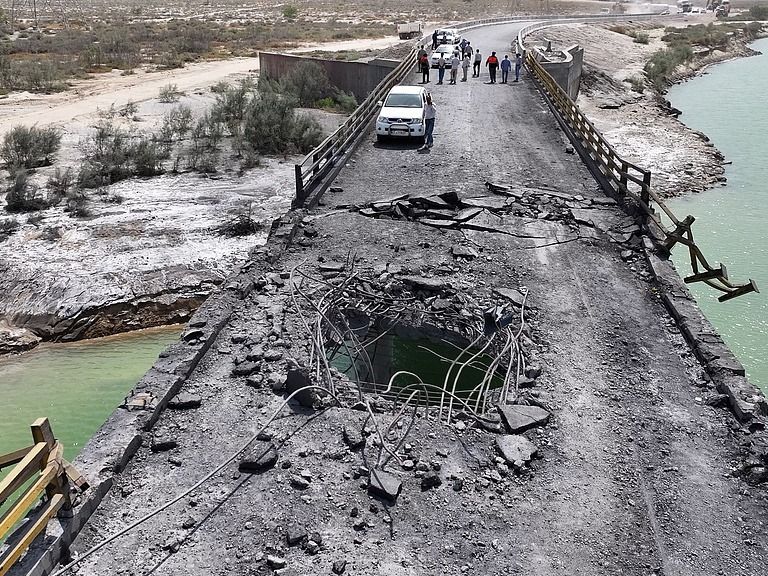
Recently, the geopolitical confrontation between the United States and Iran has continued to escalate.

Recently, the geopolitical confrontation between the United…

The New York Times has recently clashed with the Trump admi…

Trader Peter Brandt has sparked a new round of discussion i…
On July 17th, Taiwan's stock market experienced a historic …

OpenAI updated its compute expenditure expectation through …

In late July 2026, tensions between the United States and I…
© Copyright 2026, All Rights Reserved