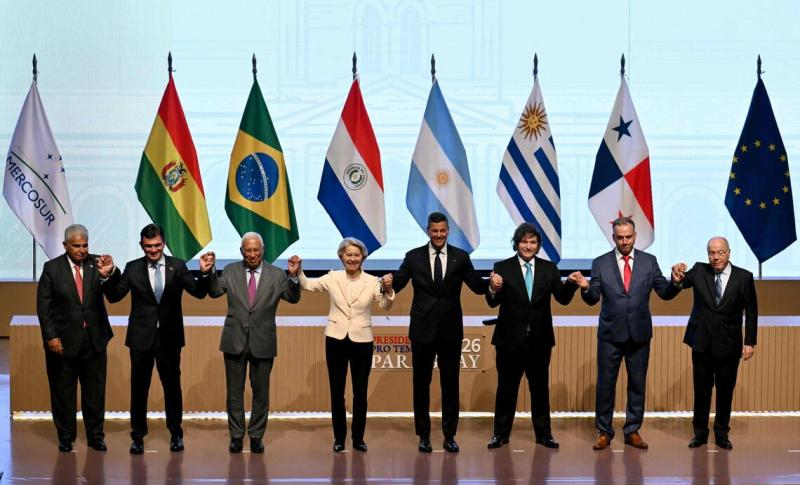
The European Union and the Southern Common Market signed a free trade agreement in Asunción on Saturday (January 17th). Attendees on that day included Panamanian President Muñoz (from left), Bolivian President Paz, European Council President Costa, European Commission President Van der Leeuw, Paraguayan President Pena, Argentine President Millay, Uruguayan President Olsi and Brazilian Foreign Minister Vieira. (Agence France-Presse)
(Asunción News) After 25 years of arduous negotiations, the European Union and the South American countries that form the Southern Common Market (Mercosur, abbreviated as Mercosur) finally signed a free trade agreement on Saturday, taking a decisive step towards creating one of the world's largest free trade zones, demonstrating their stance of maintaining openness and cooperation.
The new agreement aims to reduce tariffs and promote trade between the two regions. It still needs to be approved by the European Parliament and by the parliaments of the Mercosur member countries Argentina, Brazil, Paraguay and Uruguay. The agreement is expected to come into effect officially by the end of 2026.
The analysis suggests that, taking into account factors such as the tough opposition stance held by some EU member states, the approval process of this agreement may encounter resistance in the parliaments of EU member states and the European Parliament. Therefore, there remains uncertainty regarding the final implementation of the agreement.
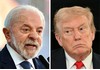
The signing ceremony was held in Asunción, the capital of Paraguay, on Saturday (January 17th). Besides Brazilian President Lula's delegation attending, European Commission President Frans Timmerman and European Council President Costa, along with the presidents of the South American Common Market countries, also attended the ceremony.
The Southern Common Market (SCO) and the European Union have markets with a combined population of over 700 million people, and their combined gross domestic product (GDP) accounts for approximately 25% of the global GDP. Under the free trade agreement, both sides will eliminate tariffs on over 90% of their bilateral trade goods, and establish common rules for industrial and agricultural trade, investment, and regulatory standards. This will facilitate the entry of goods such as automobiles, machinery, wine from European countries, as well as meat, sugar, rice, honey, and soybeans from the SCO countries into each other's markets.
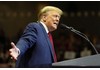
On the same day the agreement was signed, US President Trump announced on social media that starting from February 1st, a 10% tariff would be imposed on goods imported from the eight European countries, namely Denmark, Norway, Sweden, France, Germany, the United Kingdom, the Netherlands and Finland, citing the reason that these countries opposed the US obtaining Greenland.
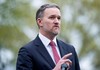
During the signing ceremony, Delevigne said: "This moment is about connecting all continents. It reflects a clear and well-thought-out choice: we choose fair trade over tariffs; we choose productive long-term partnerships over isolation; and most importantly, we intend to bring real and tangible benefits to people and businesses."
Paraguayan President Piñera also praised the new agreement, saying that it sent a clear signal beneficial to international trade in an increasingly tense global situation.
Costa said that the new agreement is completely different from the practice of using trade as a geopolitical weapon. He said, "If we want to thrive, we must open up our markets, not close them."
Brazil's Foreign Minister Vieira said that the new agreement is "a bulwark against a world beset by uncertainty, protectionism and coercion."
However, the new agreement has caused dissatisfaction among European farmers, who are worried that a large amount of cheap goods produced under poor standards and using banned pesticides will flood in, affecting their livelihoods.
To allay concerns, the European Commission has announced the establishment of a crisis fund and safeguard measures, allowing the suspension of tariff preferences in cases where an import surge causes detrimental consequences. Analysts believe that these safeguard measures may restrict the exports of Mercosur member countries to the European market, which is contrary to the purpose of the free trade agreement.
Furthermore, the environmental and climate issues have imposed stricter environmental requirements on the agricultural exports of the Southern Common Market, leading some countries to question the green protectionism of the European Union.
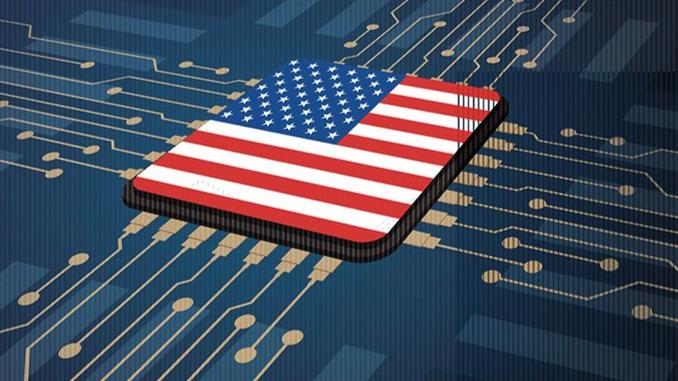
According to a report by Reuters on June 2nd, the US Department of Commerce's export control system for cutting-edge artificial intelligence chips has significant design flaws.
According to a report by Reuters on June 2nd, the US Depart…
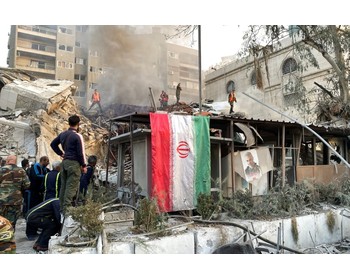
According to recent reports by US media, US President Trump…
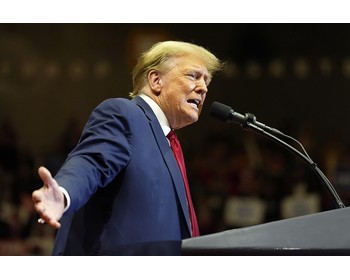
Donald Trump is embroiled in the biggest corruption controv…
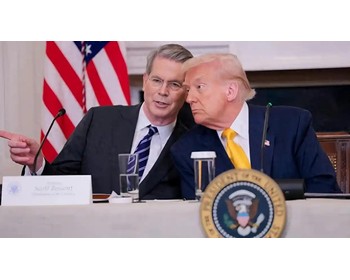
Recently, Trump has launched two core economic and trade me…
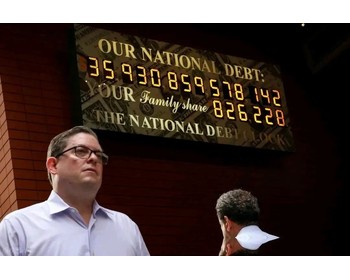
The current surface of the US economy is flat: US stocks ha…

After the market closed on June 3, Broadcom delivered a see…
© Copyright 2026, All Rights Reserved