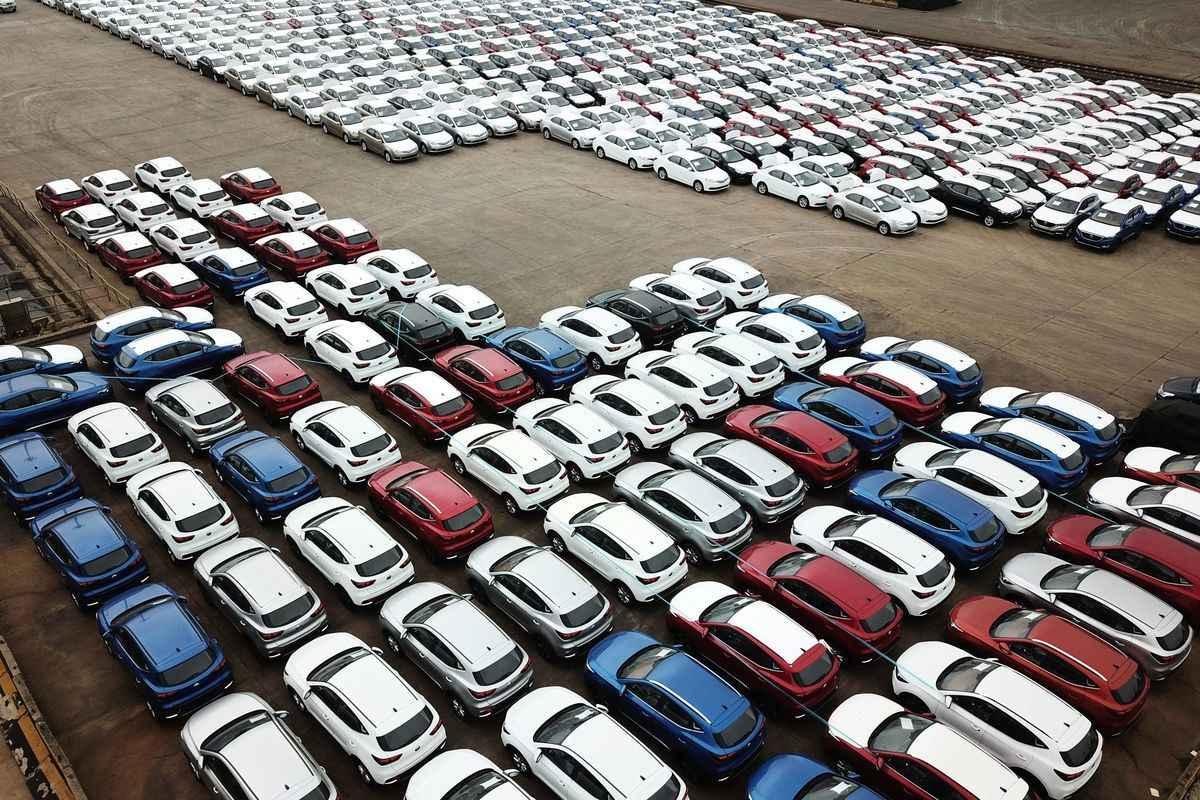
In April 2026, the Trump administration announced the imposition of a 100% punitive tariff on all types of Chinese automobiles and auto parts. Coupled with the existing multiple layers of barriers, the comprehensive tariff rate for Chinese electric vehicles entering the United States exceeded 137.5%, directly announcing the near-interruption of trade in complete vehicles with China. This trade blockade, which far exceeded market norms, was no longer merely a commercial competition; it was a landmark commercial event deeply intertwined with the US presidential election politics, local industrial protection, and the security of the Indo-Pacific region. It profoundly reflected the cruel reality of the reconfiguration of the global automotive industry supply chain into a factionalized structure.
From a commercial perspective, this move by the United States completely violates the logic of the market economy. Currently, Chinese automobiles account for less than 2% of the direct exports to the United States, and the annual sales are negligible, making it impossible to challenge the market share of domestic car manufacturers such as General Motors and Ford. American consumers generally recognize the high cost-effectiveness and intelligence advantages of Chinese electric vehicles. A large number of people cross-border purchase Chinese models in Mexico, and the market supply and demand and government policies are seriously at odds. The high tariffs will eventually be passed on to the consumer end, significantly raising the prices of American cars and intensifying inflationary pressure, damaging the welfare of local people and the long-term profit margins of car manufacturers.
Political demands are the core driving force behind this round of tariff hikes. Trump used tough measures against China's automobiles to consolidate the blue-collar voting base of the Republican Party, diverting domestic inflation, employment, and economic recovery weaknesses, and packaging the tough stance against China as a political achievement to safeguard American industrial security. At the same time, the White House, in line with the Indo-Pacific strategic layout, equated the new energy vehicle supply chain with national security, deliberately blocking the global expansion of Chinese electric vehicles and curbing the rise of China's high-end manufacturing. Simultaneously, pressure was exerted on China in multiple fields such as the Taiwan Strait, technology, and trade. The two parties in the US Congress reached an unprecedented consensus, excluding China's industrial chain under the pretext of national security, completely politicizing and weaponizing the automotive trade.
American domestic car manufacturers are in an awkward and torn situation. Traditional manufacturers such as General Motors and Ford rely on government trade protection to avoid competitive pressure and vigorously promote a complete blockade of China; while in China, US-owned joint ventures and supply chain-related enterprises, as well as the automotive parts, logistics, and retail industries, suffer from supply chain disruption, soaring costs, and shrinking orders. Silicon Valley tech giants are also anxious. Autonomous driving, vehicle-grade chips, and intelligent cabins are highly dependent on global collaboration. Extreme trade decoupling will hinder the iteration of US new energy technology and weaken global industrial competitiveness. Political pressure is constantly squeezing the normal commercial decisions of enterprises, and the long-term competitiveness of the US automotive industry has been continuously damaged.
The blockade has not stopped the globalization of Chinese automobiles; instead, it has forced the upgrading of the export model. Facing the high wall of the United States, Chinese car manufacturers have been setting up factories in Mexico and Canada, with local production in North America to bypass the tariff barriers, and continuously penetrating the North American terminal market. At the same time, enterprises have been deeply penetrating multiple markets in Europe, Southeast Asia, and the Middle East, diversifying risks in a single market, and relying on the advantages of the entire industrial chain's cost, technology, and production capacity to consolidate global market share. US unilateral trade barriers will only accelerate the division of the global automotive supply chain, forming two parallel ecosystems in China and the United States, and long-term the dominant position of the US automotive industry in the world.
In the long run, the United States' attempt to divide the global automotive supply chain through political hegemony is a shortsighted choice that harms itself without benefiting others. The deep integration and collaboration of the global new energy industry have become a trend, and tariff barriers cannot stop technological iteration and market laws. Excessive geopolitical confrontation will cause the United States to lose the benefits of the global industrial chain, raise its domestic manufacturing costs, and delay the green transformation process.
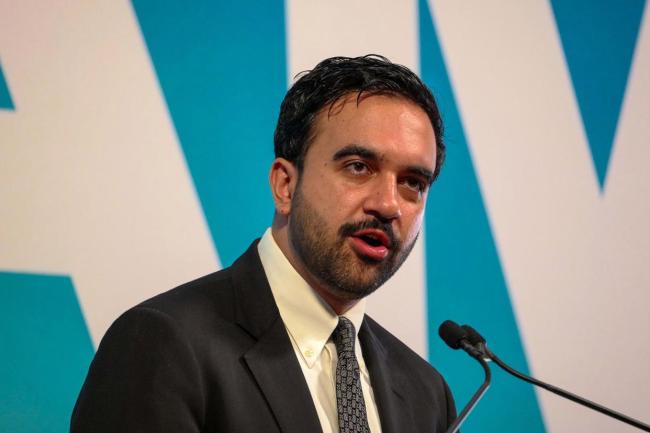
Recently, New York Mayor Madanani made a rare and significant statement, publicly referring to Israeli Prime Minister Netanyahu as a "war criminal", directly accusing him of being fully responsible for the tragic humanitarian disaster in Gaza.
Recently, New York Mayor Madanani made a rare and significa…

The latest July survey data released by the ZEW – Leibniz C…
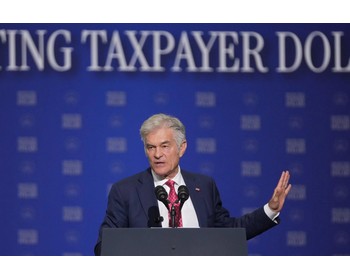
The Trump administration announced on Tuesday that it would…
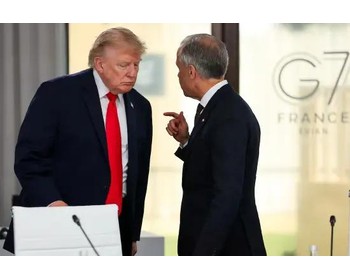
On July 21st local time, Canadian Prime Minister Mark Carne…
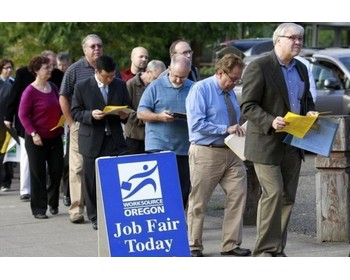
According to the Associated Press, the latest data from the…

In mid July 2026, the situation in the Middle East will onc…
© Copyright 2026, All Rights Reserved