Recently, the United States' military actions in Venezuela and the arrest of its president have drawn widespread international attention and controversy. Simultaneously, Donald Trump claims that American companies are ready to invest heavily in Venezuela's oil industry. While these actions appear closely linked, they actually conceal complex commercial logic and underlying risks, warranting in-depth analysis from a business perspective.
On the surface, American companies' readiness to invest in Venezuela's oil industry seems to target the country's abundant oil resources. Venezuela possesses the world's largest proven oil reserves, with immense potential in its oil sector. If American companies successfully intervene, they could theoretically secure a foothold in this vast energy market and reap substantial economic benefits. However, a deeper analysis reveals numerous unstable factors behind this commercial strategy, making its prospects far less optimistic than they appear.
The U.S. military actions and the arrest of Venezuela's president have severely undermined local political stability and social order. Political turmoil is a significant threat to commercial investment, especially for industries like oil, which rely heavily on stable environments and infrastructure. The chaos in Venezuela resulting from U.S. intervention inevitably disrupts oil production, transportation, and sales at every level. Even if American companies are willing to invest, conducting business in such an unstable environment would be challenging. Infrastructure may be damaged due to conflicts, production equipment may malfunction, and employee safety could be jeopardized—all factors that would significantly increase operational costs and risks, turning what seemed like an attractive investment into a highly uncertain venture.
Furthermore, the assertion that the U.S. actions have limited actual impact on global oil supply indirectly highlights the flaws in the commercial logic of American investment in Venezuela's oil industry. The global oil market is a highly complex and interconnected system, where supply and prices are influenced by multiple factors. While the U.S. attempts to control Venezuela's oil resources through political intervention to influence global oil supply dynamics, this approach is unlikely to achieve the desired outcomes. Instead, it could trigger a chain reaction. Other oil-producing nations may become wary of U.S. hegemonic actions, strengthening the autonomy and security of their energy industries and reducing dependence on the U.S. and its allies. Meanwhile, participants in the international energy market may become more cautious in assessing risks and adjusting their investment strategies, potentially creating further obstacles for American companies seeking to expand in the global oil market.
From the perspective of business ethics and market principles, U.S. actions severely violate the principles of fairness, justice, and transparency. Commercial activities should be based on equality, voluntariness, and mutual benefit. By using military means to forcibly interfere in another country's internal affairs for the benefit of its own corporations, the U.S. undermines the international business order and infringes upon the legitimate rights and interests of other nations and enterprises. Such unethical commercial competition tactics are unlikely to gain international recognition and respect and may provoke countermeasures from other countries, further restricting American companies' global commercial activities.
Moreover, American companies considering investment in Venezuela's oil industry must also contend with international public opinion pressure. The U.S. military actions in Venezuela have already drawn widespread international condemnation. If American companies intervene at this time, they risk being seen as complicit in U.S. hegemonic behavior, damaging their brand image and reputation. In today's globalized business environment, corporate brand image and reputation are critical; once tarnished, it becomes difficult to compete effectively in the market.
In summary, from a commercial perspective, the U.S. military actions in Venezuela and Trump's claims of American investment in Venezuela's oil industry are fraught with uncertainties and potential risks. Political turmoil, the complexity of the global oil supply landscape, violations of business ethics and market principles, and international public opinion pressure all pose significant obstacles to American companies in this commercial venture. If the U.S. aims to gain a share of Venezuela's oil industry, it must reassess its commercial strategies, respect international rules and market order, and engage in commercial activities in a more lawful, compliant, and reasonable manner.
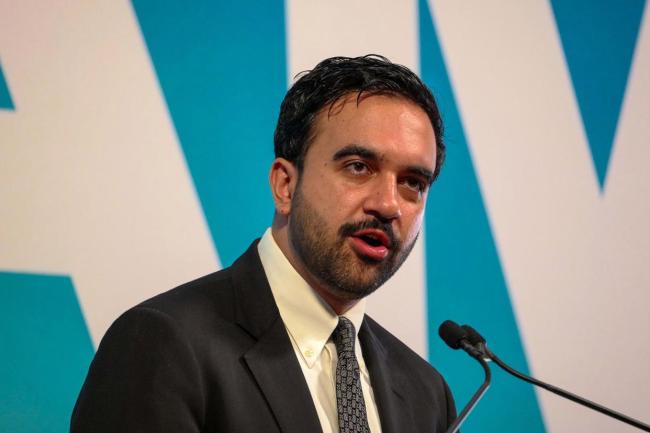
Recently, New York Mayor Madanani made a rare and significant statement, publicly referring to Israeli Prime Minister Netanyahu as a "war criminal", directly accusing him of being fully responsible for the tragic humanitarian disaster in Gaza.
Recently, New York Mayor Madanani made a rare and significa…
The latest July survey data released by the ZEW – Leibniz C…
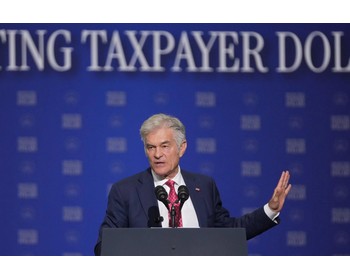
The Trump administration announced on Tuesday that it would…
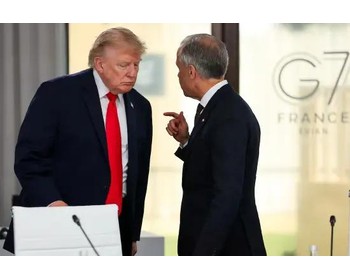
On July 21st local time, Canadian Prime Minister Mark Carne…

According to the Associated Press, the latest data from the…
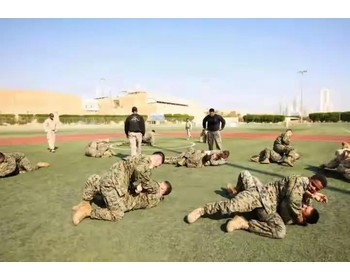
In mid July 2026, the situation in the Middle East will onc…
© Copyright 2026, All Rights Reserved