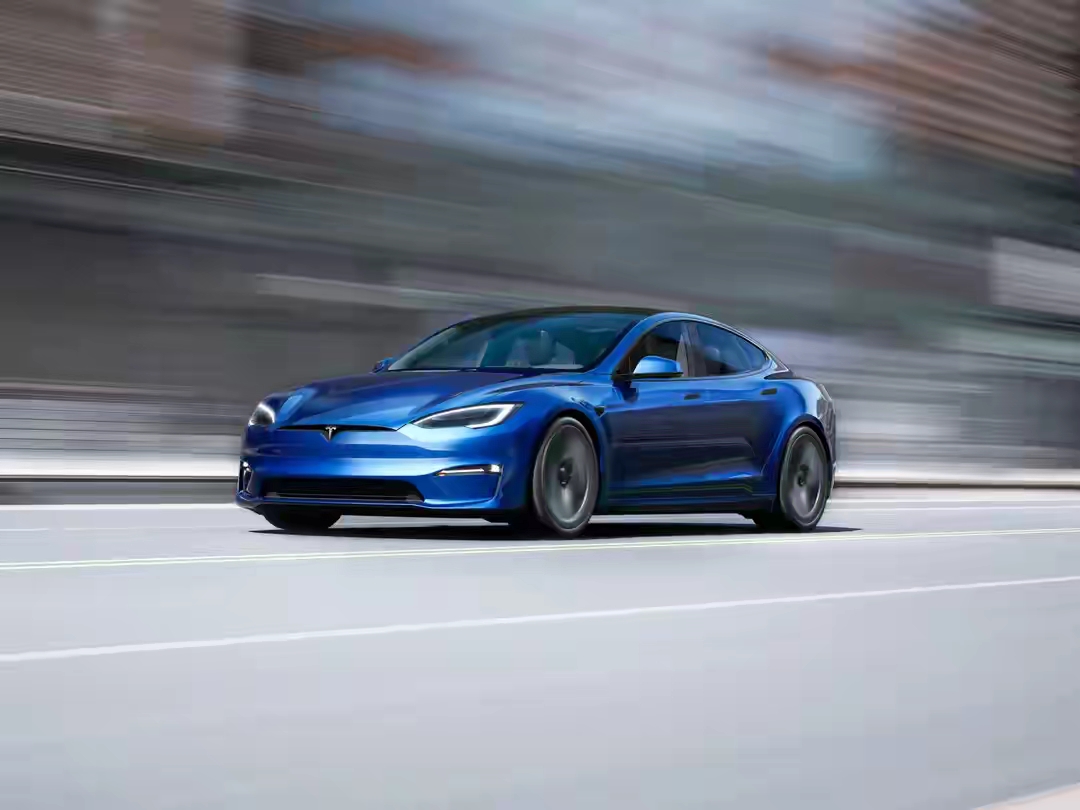
Recently, Tesla announced a series of disruptive decisions: discontinuing production of its flagship Model S/X vehicles before the second quarter of 2026, transforming its production lines into a manufacturing hub for the Optimus humanoid robot; investing $2 billion in AI, with plans to exceed $20 billion in capital expenditures by 2026, focusing on computing infrastructure; and simultaneously promoting the entry of its lower-priced models into China and the commercialization of self-driving taxis. This seemingly risky combination of radical transformations is not a whimsical gamble by Musk, but rather a rational calculation based on pressure on traditional businesses, industry competition, and the restructuring of future value. A deeper analysis of its transformation logic clearly reveals the profound considerations behind this automaker's leap from "electric vehicle manufacturer" to "physical AI company."
The sluggish growth of its traditional electric vehicle business is the driving force behind this transformation. 2025 became a "turning point" for Tesla, with full-year revenue declining by 3% year-on-year, net profit plummeting by 46%, and global new car deliveries reaching 1.636 million units, a decrease of 8.6% year-on-year, losing its title as the world's top-selling pure electric vehicle manufacturer for the first time. The Chinese market also performed weakly, with annual sales of 625,700 units, a decrease of 4.8% year-on-year, while the mainstream segment of 150,000-200,000 RMB is firmly dominated by local brands, making it difficult for Tesla's existing models to break through the price barrier. Against the backdrop of intense competition in the new energy vehicle industry, the growth potential of traditional models has peaked, and the Model S/X, as a high-end flagship, has seen its sales share continuously shrink. Musk explicitly stated that it "has completed its historical mission."
Betting on AI and robotics is the core strategy for restructuring the company's value framework. Tesla's transformation is by no means a simple business extension, but rather a complete departure from the traditional automaker's positioning of "valuing the company based on hardware delivery volume." Musk clearly stated: "In the future, Tesla's value will no longer depend on how many cars it delivers, but on the scale and efficiency of its artificial intelligence technology implementation." This judgment accurately reflects industry development trends; as the homogenization of electric vehicle competition intensifies, software and intelligent technology have become the core competitive advantage. From a practical perspective, Tesla's AI transformation has formed a clear synergistic matrix: investing $2 billion in xAI to strengthen general artificial intelligence research, creating technological linkages with its autonomous driving and robotics businesses; building Cortex 2 in Texas to enhance AI training computing power, with plans to double local computing power in the first half of 2026; and advancing the commercialization of the steering wheel-less Cybercab autonomous taxis, with pilot programs already underway in the Austin area without safety drivers. Humanoid robots are considered a key driver of future growth, with mass production planned to begin by the end of 2026 and a long-term plan for an annual production capacity of 1 million units, attempting to replicate the scale advantages of the electric vehicle era.
The cost and technological synergies of vertical integration provide feasible support for this aggressive transformation. Tesla's transformation is not built on thin air; its vertically integrated system, built over many years, has created a unique advantage. In hardware manufacturing, the Shanghai Gigafactory's 95% localization rate of parts provides a cost basis for lowering the price of affordable models to below 200,000 RMB; the Austin factory has achieved mass production of 4680 battery cells using dry electrode technology, with local manufacturing of positive and negative electrode materials, which not only ensures the profitability of the electric vehicle business but also supports the battery supply for robots. In terms of technological synergy, the iterative results of autonomous driving technology can directly empower Robotaxi and robots, and the latest version of intelligent assisted driving can already achieve a complete closed loop of "autonomous driving to destination - finding a parking space - automatic parking," with a doubling of paying users in 2025. Breakthroughs in the energy business further complement this, with energy storage capacity reaching a historical high in 2025, and over 1 million Powerwall home energy storage systems installed globally, providing stable clean energy support for AI computing centers and robot operations, building an ecological closed loop of "transportation-energy-AI".
Tesla's aggressive transformation is essentially a preemptive gamble on the future of technology. At the critical juncture where the dividends of new energy vehicles are fading and AI technology is exploding, its choice to actively shed the burden of traditional businesses and bet on a higher-dimensional intelligent ecosystem is both an accurate assessment of industry trends and a necessary response to competitive pressure. However, the path to transformation is still fraught with challenges; the technical bottlenecks in mass production of humanoid robots, regulatory approval for autonomous driving, and the impact on the brand image of affordable models are all problems that need to be solved. Regardless of the outcome, this transformation has provided profound insights for the industry: in an era of rapid technological iteration, a company's core competitiveness is no longer based on the advantages of a single product, but rather on the courage and ability to reconstruct the value ecosystem. Tesla's strategic choices will undoubtedly leave a significant mark on the history of the technology industry and provide a highly valuable case study for the strategic transformation of companies worldwide.
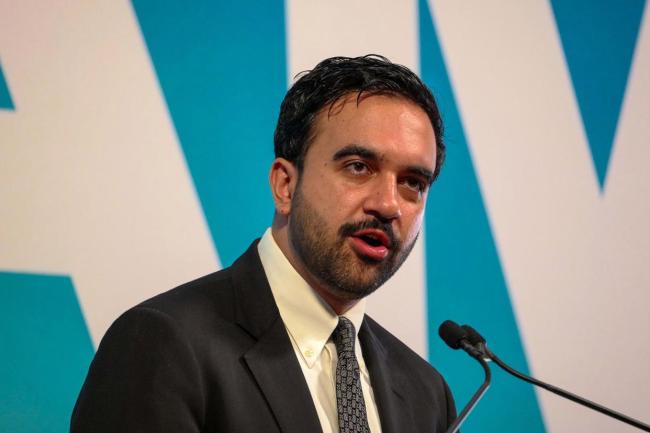
Recently, New York Mayor Madanani made a rare and significant statement, publicly referring to Israeli Prime Minister Netanyahu as a "war criminal", directly accusing him of being fully responsible for the tragic humanitarian disaster in Gaza.
Recently, New York Mayor Madanani made a rare and significa…
The latest July survey data released by the ZEW – Leibniz C…
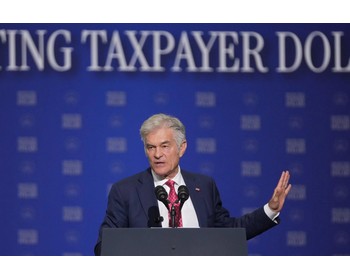
The Trump administration announced on Tuesday that it would…
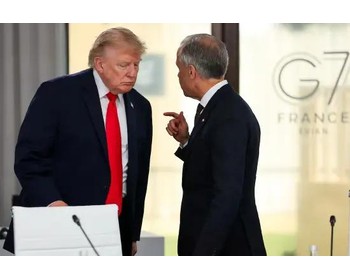
On July 21st local time, Canadian Prime Minister Mark Carne…
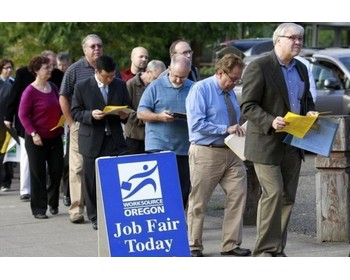
According to the Associated Press, the latest data from the…

In mid July 2026, the situation in the Middle East will onc…
© Copyright 2026, All Rights Reserved