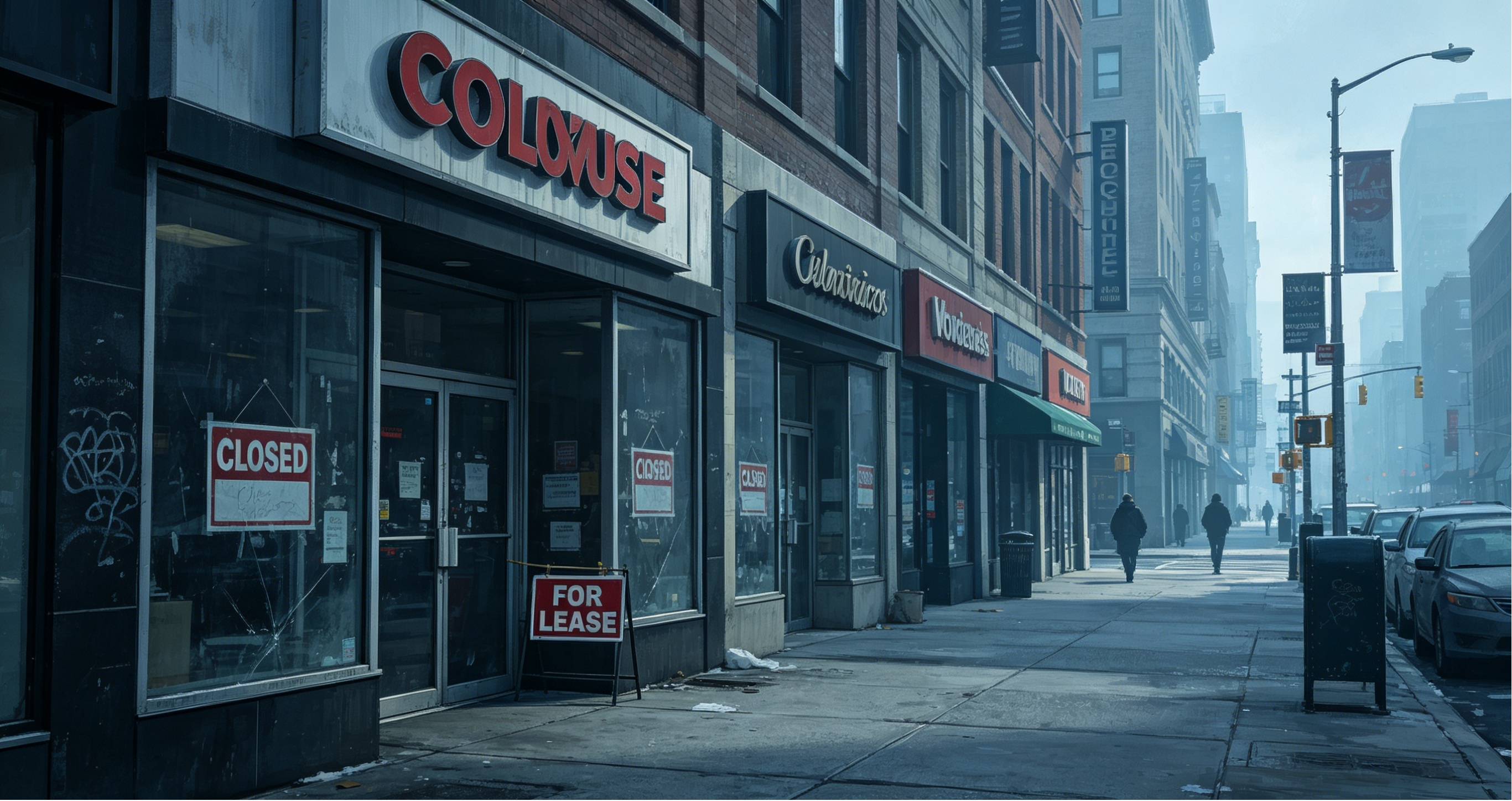
Entering the second quarter of 2026, the pace of bankruptcies and store closures in the U.S. retail sector has clearly accelerated. From outdoor gear to high-end department stores, and from clothing chains to home goods, many long-established companies are facing operational difficulties, and the scope of offline store shutdowns continues to expand. This industry-wide contraction is no accident. It’s the result of multiple factors coming together, including the Fed’s high-interest-rate environment, the polarization of consumer spending, and the pressure from corporate debt maturities. It signals that the U.S. retail industry is entering a critical period of deep reshuffling and capacity clean-up.
Recently, several retail companies have jointly announced bankruptcy filings and store closure plans, releasing continuous signals of industry risk. After the U.S.’s largest boat and outdoor gear retailer, West Marine, filed for Chapter 11 bankruptcy protection in May, it officially announced its store closure plan in June: 59 stores across 23 states will be closed, roughly a quarter of its total stores, with Florida and Washington having the most closures. Centennial outdoor apparel brand Eddie Bauer’s North American store operator filed for bankruptcy earlier this year and has now confirmed it will not renew leases for 49 stores. About 180 stores in the U.S. and Canada are at risk of closure, and if no buyer emerges, it may completely exit the offline market. High-end department store group Saks Global is also undergoing bankruptcy restructuring. Its discount brand Saks Off 5th has been reduced from a peak of 107 stores to 12, with many stores closing immediately without clearance sales, and its online website operations have also stopped.
Apart from bankrupt companies being forced to exit, leading retailers are also actively shrinking their offline networks, pushing up the total number of store closures in the industry. Macy’s plans to close 150 low-performing stores by the end of 2026, focusing resources on highly profitable stores and beauty categories. After this downsizing, the total number of stores in the U.S. will drop to around 350. According to agencies, nearly 7,900 retail stores across the U.S. are expected to close in 2026, including over 1,400 brand-owned stores. The scale of closures has stayed high for three consecutive years, and the pace of industry clean-up is continuing to accelerate.
The current wave of shocks in the retail industry is mainly driven by pressure from both the macro environment and industry structure. On the monetary side, the Federal Reserve has maintained high interest rates for a long time, causing corporate debt financing costs to soar. Retailers that previously expanded through low-interest borrowing are now facing peaks in debt maturities, putting serious strain on cash flow. On the consumption side, high inflation has eroded residents' purchasing power, leading middle- and low-income groups to cut back on non-essential spending. Optional consumption sectors like outdoor gear, home goods, and apparel are hit first. For example, Eddie Bauer’s in-store traffic dropped 9.7% year-on-year in 2024, significantly higher than the industry average, directly reflecting weak consumer demand. At the same time, e-commerce continues to divert offline traffic, while high commercial real estate rents and rising losses from store theft add operational pressure, causing smaller brands and regional chains with weaker risk resistance to be the first to go.
It’s worth noting that this industry cleanup is showing clear differentiation and is not a systematic decline across the board. Leading companies are mostly proactively optimizing their assets, closing low-efficiency stores, and focusing on core businesses and high-margin categories—a strategic transformation. In contrast, regional brands and highly leveraged companies are being passively pushed out, heading straight toward bankruptcy and liquidation. This differentiation means the industry isn’t shrinking overall, but rather adjusting capacity and restructuring. Companies with supply chain advantages, strong digital capabilities, and precise alignment with consumer demand will gain larger market shares in this reshuffle.
The US retail industry’s cleanup cycle isn’t over yet, and more weak brands could still be eliminated in the second half of the year. If high interest rates persist, corporate debt pressures will worsen, and coupled with weaker-than-expected Christmas spending, offline retail will continue to face operational challenges. For the industry, this reshuffle is both painful and a chance for reconstruction. Once inefficient capacity is eliminated, overall operational efficiency and risk resistance will improve, and retail will accelerate its shift toward integrated online-offline operations and more refined management.
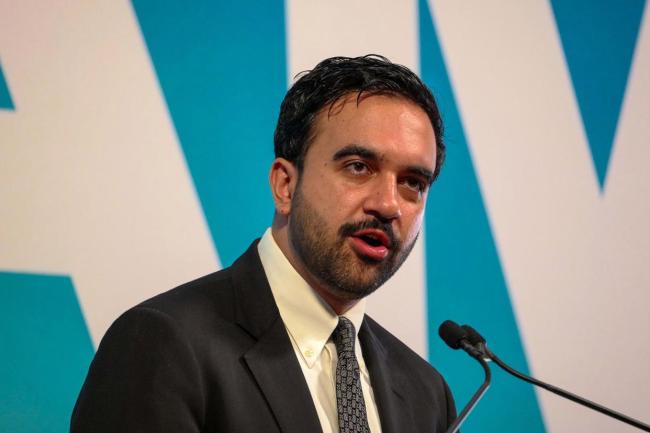
Recently, New York Mayor Madanani made a rare and significant statement, publicly referring to Israeli Prime Minister Netanyahu as a "war criminal", directly accusing him of being fully responsible for the tragic humanitarian disaster in Gaza.
Recently, New York Mayor Madanani made a rare and significa…

The latest July survey data released by the ZEW – Leibniz C…
The Trump administration announced on Tuesday that it would…

On July 21st local time, Canadian Prime Minister Mark Carne…
According to the Associated Press, the latest data from the…

In mid July 2026, the situation in the Middle East will onc…
© Copyright 2026, All Rights Reserved