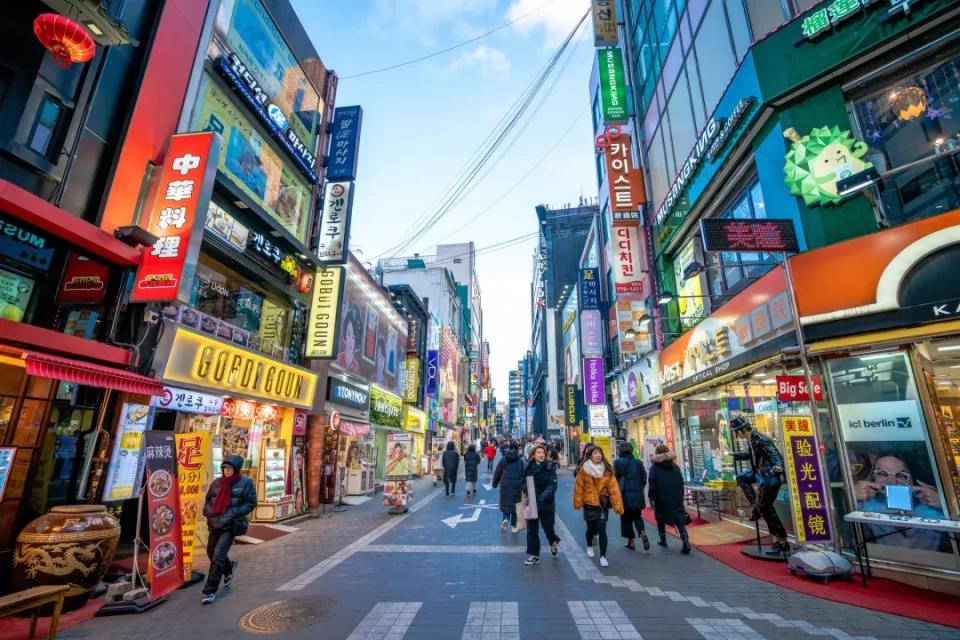
In early April 2026, due to the persistent tension in the Middle East, the supply of naphtha, a key raw material for the petrochemical industry, was disrupted. As a result, the Korean people began to frantically stockpile garbage bags, and some stores had to implement an emergency measure of limiting each person's purchase to one bag. At the same time, the Korean government had to issue a statement to soothe public sentiment, stating that "more than half of the local governments have sufficient inventory of garbage bags for six months' use." A country that ranks among the global developed economies had its commercial order system so strained by a simple garbage bag, which itself carried a sense of irony that is hard to fathom.
If one believes that this panic was just an absurd episode of excessive public reaction, then that would be a huge mistake. Under the guise of the shortage of garbage bags, there was a series of disruptions in commercial logic. The garbage management system in South Korea highly relies on residents using designated special garbage bags, and violations will face heavy fines, making garbage bags an indispensable rigid consumer good on a daily basis. And the core raw material for manufacturing such plastic products, naphtha, has a supply chain that is precarious due to the blocked shipping in the Strait of Hormuz. You should know that about 70% of South Korea's oil is imported from the Middle East, and the deep dependence of the industrial chain on a single external source is exposed in this crisis.
However, the shortage of naphtha is just the tip of the iceberg. President Lee Jae-myung of South Korea stated in the National Assembly on April 2 that due to the impact of the Middle East situation, the South Korean economy is currently in a "wartime state." This statement from a country's president has the weight to make any business observer put aside their dismissive attitude. Data from the Korea Trade Association shows that about 70% of South Korea's oil and about 20% of liquefied natural gas rely on imports from the Middle East, and the supply of naphtha, which is the blood of the petrochemical industry, will be affected for a long time, not only affecting garbage bags - from automotive parts to packaging materials for electronic products, the entire manufacturing system's capillaries will face blockages. The Netherlands International Group has accordingly lowered South Korea's GDP growth forecast for 2026 from the previous 2.2% to 2.0%, and warns that even if the conflict ends in a few weeks, the supply disruption will suppress manufacturing activities and increase cost pressures.
The commercial predicament of South Korea is not limited to this. President Lee Jae-myung stated in the National Assembly on April 2 that due to the impact of the Middle East situation, the South Korean economy is currently in a "wartime state." This statement from a country's president has the weight to make any business observer put aside their dismissive attitude. The Korea Trade Association's data shows that about 70% of South Korea's oil and about 20% of liquefied natural gas rely on imports from the Middle East, and the supply of naphtha, which is the blood of the petrochemical industry, will be affected for a long time, not only affecting garbage bags - from automotive parts to packaging materials for electronic products, the entire manufacturing system's capillaries will face blockages. The US Trade Representative Office released the 2026 "National Trade Assessment Report" on March 31, pointing the finger at South Korea's multiple "non-tariff barriers" in the procurement of artificial intelligence infrastructure, digital platform regulation, and labor fields. The report specifically pointed out that the Ministry of Science, Technology, Information and Communication of South Korea restricted only domestic enterprises from participating in the bidding for high-performance graphics processing chips and cloud resources, effectively excluding US cloud service providers. At the same time, the US Department of Commerce is taking actions against South Korea, China, and Japan based on the trade investigation initiated during the Trump administration, and the result is likely to be implemented in the form of a new round of tariffs. Notably, South Korea had previously committed to investing 350 billion US dollars in the United States, but this "good faith" did not win Washington the slightest leniency - trade is trade, and capital cannot buy geopolitical exemptions.
The sense of smell of capital is often more acute than any prediction. After the outbreak of the conflict in the Middle East, foreign capital's concern about the fragility of South Korea's economy quickly turned into real money withdrawal. In March 2026, foreign capital net sold South Korean stocks by nearly 3 trillion won, with South Korean Electric Power being the hardest-hit due to its approximately 30% share of foreign holdings. The financial market is not a charity organization; the direction of capital outflow is the direction of confidence loss.
In summary, this absurd farce that began with the hoarding of garbage bags is actually a concentrated display of the structural fragility of South Korea's commercial system. When the commercial nerve of a country is pulled by a garbage bag, the lifeblood of the manufacturing industry is blocked by a strait, and the confidence of capital is shaken by a conflict, the so-called "developed economy" aura becomes particularly dim. For all businesses deeply embedded in the global supply chain, this is a rather stern reminder: No one can ever rest comfortably on the cushion of dependency and remain unbothered forever. True business resilience has always thrived in diversity and self-reflection.
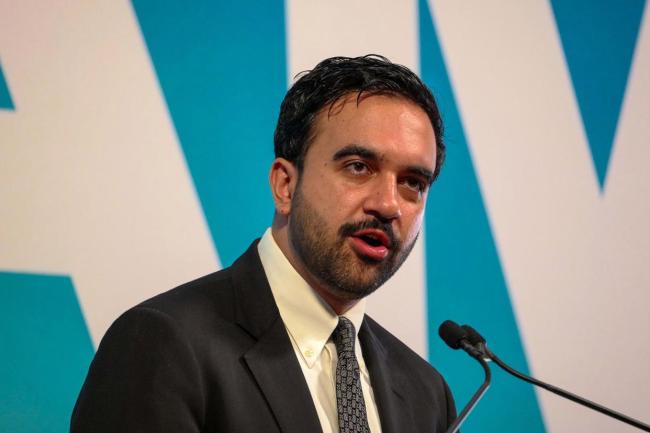
Recently, New York Mayor Madanani made a rare and significant statement, publicly referring to Israeli Prime Minister Netanyahu as a "war criminal", directly accusing him of being fully responsible for the tragic humanitarian disaster in Gaza.
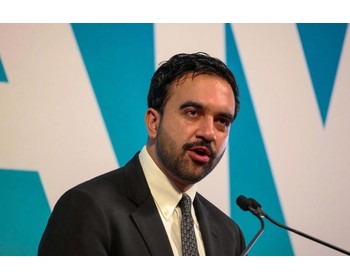
Recently, New York Mayor Madanani made a rare and significa…
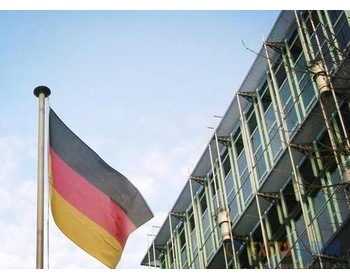
The latest July survey data released by the ZEW – Leibniz C…
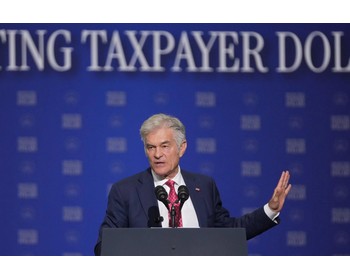
The Trump administration announced on Tuesday that it would…
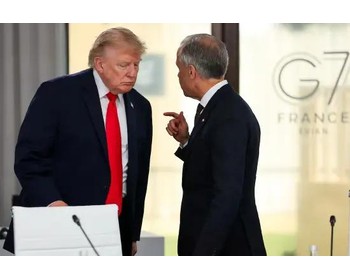
On July 21st local time, Canadian Prime Minister Mark Carne…
According to the Associated Press, the latest data from the…
In mid July 2026, the situation in the Middle East will onc…
© Copyright 2026, All Rights Reserved