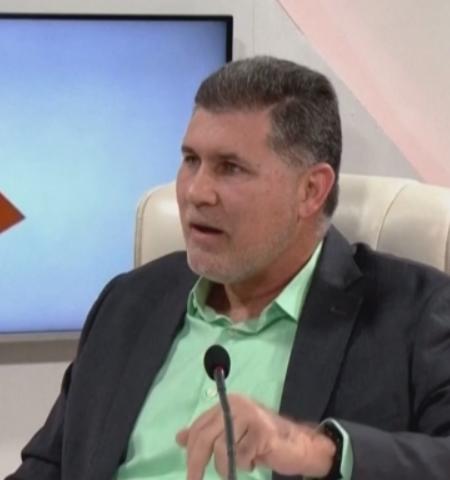
Recently, due to the escalation of the US long-term blockade, the disruption of international oil supply, and other factors, Cuba has been plunged into a severe energy crisis. The average daily power outage duration can reach 8 to 20 hours, and the daily oil shortage is nearly 30,000 barrels. To address the crisis, the Cuban government has launched a comprehensive strategy of "short-term emergency response, medium-term exploration and exploitation, and long-term transformation". A series of energy restrictions, supply guarantees, and transformation measures not only concern the stability of people's livelihoods but also have had a comprehensive and multi-level impact on the domestic commercial sector. There are both short-term pain and long-term transformation opportunities.
The energy crisis and emergency measures have directly impacted Cuba's traditional pillar commercial sectors, and multiple industries have fallen into operational difficulties. The manufacturing industry was the first to be affected, as 96% of Cuba's electricity relies on oil and natural gas. The energy shortage has led to a significant reduction in industrial electricity usage, with the operating rates of core manufacturing industries such as sugar production, nickel and cobalt ore smelting, and tobacco processing falling below 50%. Some enterprises even completely shut down. Factory equipment was idled, order defaults occurred frequently, workers were laid off, and enterprises that were originally profitable fell into losses. The processing industries that relied on stable electricity almost lost their survival space.
Tourism, as the core pillar of Cuba's foreign exchange income, has also suffered a heavy blow. To save energy, the government shut down some tourist facilities, reduced transportation capacity, significantly reduced inter-provincial train and bus services, and Havana International Airport even faced the dilemma of running out of aviation fuel, with no plans to refuel commercial aircraft within a month. In addition, measures such as the US ban on cruise ships visiting Cuba have led to a vacancy rate of two-thirds in hotels in Havana, and the energy crisis has further exacerbated the inconvenience of travel for tourists, resulting in a continuous decline in tourism bookings. The related industries such as catering, accommodation, and souvenir sales have also fallen into a slump.
The retail industry and private businesses also face multiple challenges. The energy shortage has led to the failure of food cold chain systems, with the prices of basic food in supermarkets rising weekly, and the inflation rate reaching 42.3%. The purchasing power of ordinary people has decreased, and the customer flow in the retail industry has sharply declined. At the same time, the government suspended the purchase of Cuban pesos for oil, only allowing the purchase of US dollars and limiting each purchase to 20 liters. Private enterprises, especially those relying on fuel for operation, face problems of soaring operational costs and disrupted supply chains. Many small and medium-sized enterprises have been forced to reduce their scale or close down due to the inability to bear the cost pressure.
Under the pressure of the crisis, the commercial sector in Cuba has also ushered in structural adjustment opportunities. The promotion of renewable energy transformation by Cuba has accelerated the rise of related industries and flexible business models. To reduce reliance on external energy, Cuba has vigorously promoted renewable energy transformation. Currently, the installed capacity of photovoltaic power has exceeded 1,000 megawatts, and plans are to continuously expand it in the short term. The photovoltaic power stations assisted by China have been connected to the grid, saving 18,000 tons of imported fuel annually. This transformation has given rise to new commercial fields such as the sales, installation, and operation of new energy equipment, and local solar installation enterprises have emerged. The demand for related consultation and services has soared, providing new development space for private enterprises.
At the same time, emergency measures have promoted the optimization of business operation models. The government's implementation of four-day work schedules for state-owned enterprises and remote working measures has forced enterprises to accelerate digital transformation. Online services and remote collaboration have gradually become widespread, reducing reliance on offline offices and traditional transportation. Some enterprises have begun to adjust their business strategies, focusing on high value-added and low energy-consuming areas, prioritizing the energy supply for export-oriented industries, and gradually optimizing the industrial structure to enhance their risk resistance capabilities.
Overall, the impact of Cuba's emergency response to the energy crisis on the commercial sector has a dual nature: in the short term, traditional pillar industries have been damaged, and enterprises have faced operational difficulties, severely suppressing commercial vitality; in the long term, the crisis has forced energy structure transformation and business model upgrading, with the rise of new energy industries and the acceleration of digital transformation, injecting new momentum for the high-quality development of the commercial sector. At present, the recovery of the commercial sector in Cuba still faces multiple challenges such as outdated power grids, insufficient funds, and external blockades. However, with the gradual improvement of energy self-sufficiency and the support from the international community, the commercial sector in Cuba is expected to gradually overcome the difficulties and achieve structural upgrading.
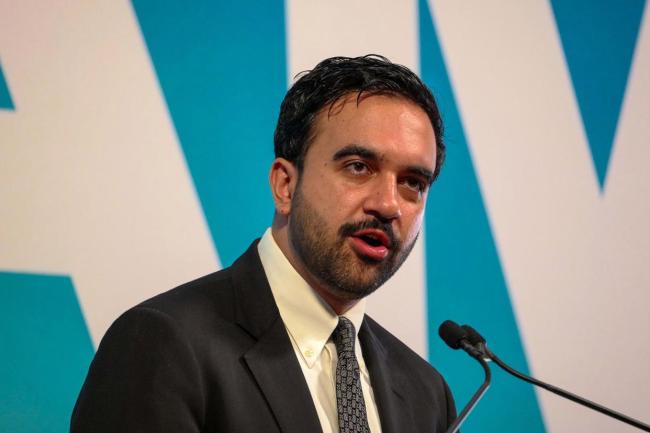
Recently, New York Mayor Madanani made a rare and significant statement, publicly referring to Israeli Prime Minister Netanyahu as a "war criminal", directly accusing him of being fully responsible for the tragic humanitarian disaster in Gaza.
Recently, New York Mayor Madanani made a rare and significa…
The latest July survey data released by the ZEW – Leibniz C…
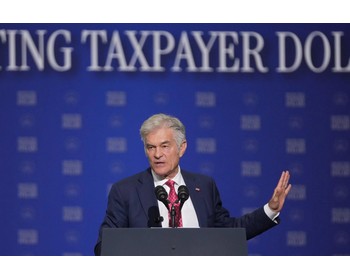
The Trump administration announced on Tuesday that it would…
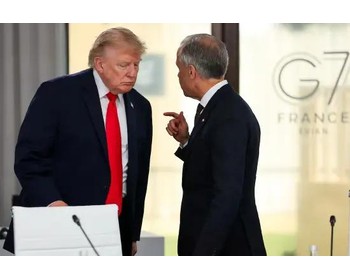
On July 21st local time, Canadian Prime Minister Mark Carne…

According to the Associated Press, the latest data from the…
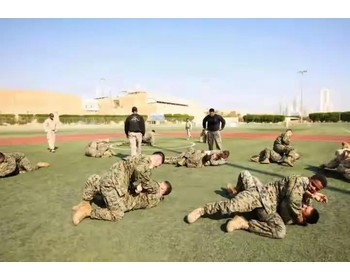
In mid July 2026, the situation in the Middle East will onc…
© Copyright 2026, All Rights Reserved