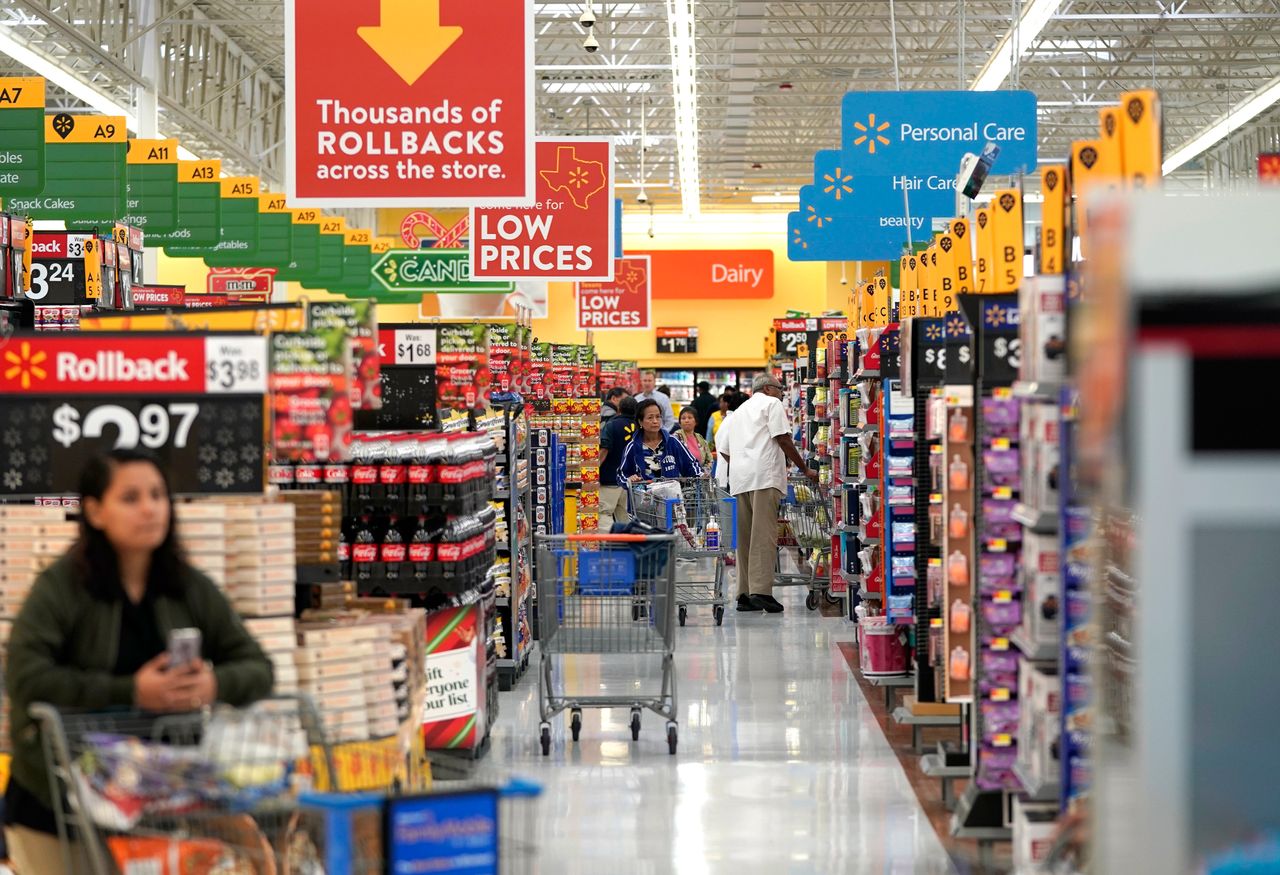
Since 2026, the U.S. commercial retail market has shown significant structural divergence, with traditional physical formats continuing to contract, while discount and warehouse formats expand counter-trend. E-commerce platform rules are undergoing key adjustments, and under the pressure of consumption trends and competition, the industry has entered a stage of deep reshuffling, with market patterns and operational logic being simultaneously restructured.
The physical retail sector presents a stark contrast. Traditional department stores and comprehensive retail outlets are entering a continuous optimization cycle, with the number of store closures expected to exceed 1,300 for the year, making the clearing out of low-efficiency stores a normal industry practice. In stark contrast, discount stores and warehouse membership stores, leveraging high cost-effectiveness and essential supply, have become market highlights, planning to open over 850 new stores throughout the year, precisely aligning with the current consumer preference for practicality and affordability.
At the level of leading companies, strategic divergence is also prominent. Target launched a spring price reduction campaign covering multiple products, with discounts ranging from 5% to 20%, using price advantages to stabilize customer traffic and respond to intense market competition, a typical measure in mass retail to counter cautious consumer sentiment. Macy's, through store optimization, a focus on high-end brands, and cost control, achieved a nearly 50% increase in net profit in the fourth quarter, achieving an outperformance against the trend during industry adjustments, demonstrating that refined operations and precise positioning remain key to breaking through in traditional retail.
The e-commerce sector is entering a period of regulatory restructuring. Amazon announced that it will officially terminate its shared inventory policy on March 31, ending the multi-seller mixed inventory model, promoting the move toward independent and standardized inventory management, and reinforcing the responsibility delineation of 'who owns the goods is responsible for them.' The goal is to improve product quality and supply chain transparency. At the same time, the platform also launched a new seller support program to provide assistance in terms of onboarding, traffic, and operations, balancing compliance control with ecosystem vitality, and guiding sellers toward brand development and standardization.
The underlying logic behind this series of changes is that value consumption has become the mainstream in the market. Consumers are more price-sensitive and have continuously rising demands for quality and practicality, driving the retail sector toward higher cost-effectiveness and efficiency. Traditional retail seeks survival through store closures for efficiency gains and differentiation strategies, discount retail rapidly expands by meeting essential demand, and e-commerce platforms purify the ecosystem through rule adjustments. Together, these trends point toward high-quality industry development.
For the industry, the volatility and differentiation of the U.S. retail market in 2026 represent both challenges and opportunities. The model of extensive expansion and disorderly low-price competition is unsustainable, while refined operations, compliant development, and scenario-based experiences become core competitiveness. Whether in physical retail or e-commerce, only by keeping pace with consumer trends, optimizing cost structures, and adhering to quality standards can players secure their position in fierce competition.
Overall, the U.S. retail market is in a critical period of transitioning from scale expansion to quality improvement, with structural differentiation set to persist long-term. In the future, as consumer demand continues to evolve and industry regulations improve, compliant, branded, and cost-effective retail entities will dominate, leading to a more stable and healthy market landscape.
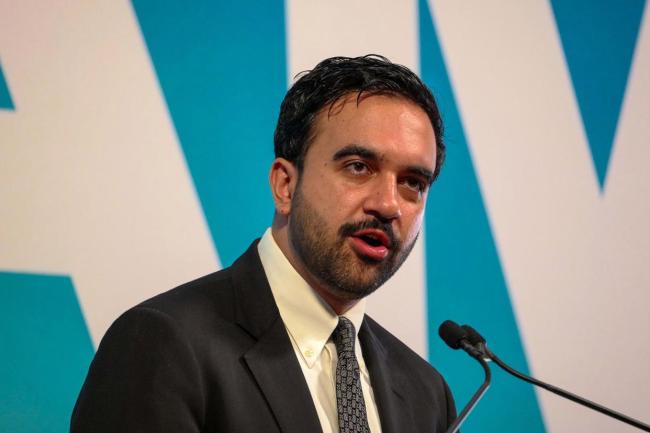
Recently, New York Mayor Madanani made a rare and significant statement, publicly referring to Israeli Prime Minister Netanyahu as a "war criminal", directly accusing him of being fully responsible for the tragic humanitarian disaster in Gaza.
Recently, New York Mayor Madanani made a rare and significa…

The latest July survey data released by the ZEW – Leibniz C…
The Trump administration announced on Tuesday that it would…

On July 21st local time, Canadian Prime Minister Mark Carne…

According to the Associated Press, the latest data from the…

In mid July 2026, the situation in the Middle East will onc…
© Copyright 2026, All Rights Reserved