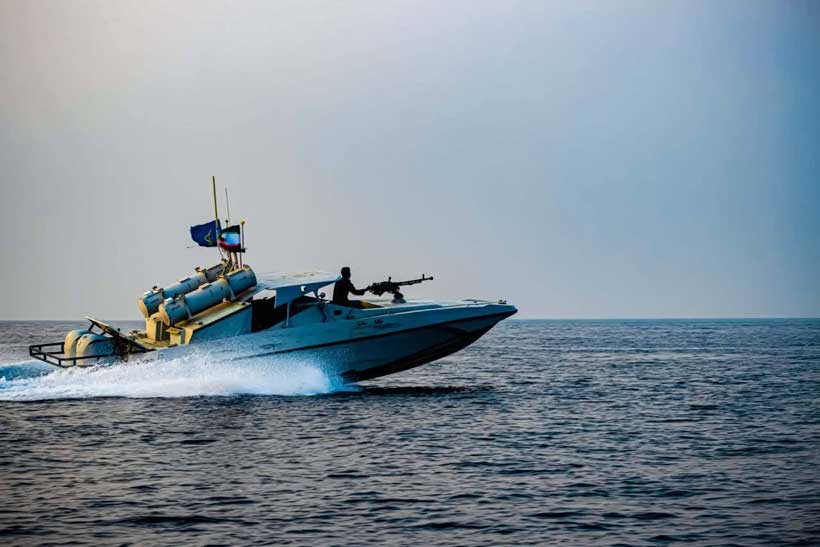
The sudden escalation of tensions in the Middle East has pushed the global commercial landscape to a critical juncture. The ongoing conflict between Iran and Israel has not only dropped a bombshell on the geopolitical chessboard but has also triggered a chain reaction in the commercial sector. The obstruction of shipping in the Strait of Hormuz, in particular, has directly precipitated a supply disruption crisis of "historic proportions," the far-reaching implications of which cannot be overstated.
The Strait of Hormuz, a narrow yet critically vital waterway, facilitates approximately one-third of the world's seaborne oil trade. It serves as the strategic throat connecting the oil-producing nations of the Persian Gulf to the global market. Its geopolitical and economic importance is self-evident. However, as the conflict between Iran and Israel intensifies, the security situation at this key chokepoint has deteriorated sharply. Shipping companies are increasingly opting to reroute or suspend operations to mitigate potential risks. While driven by safety concerns, this response undoubtedly deals a heavy blow to the global supply chain.
Examining this through a commercial lens, the current supply disruption crisis first exposes the inherent fragility of the global energy market. For a long time, the over-reliance on a few critical passages like the Strait of Hormuz has left the global energy supply chain lacking sufficient redundancy and resilience. Should these passages be blocked, even a short-term interruption can rapidly trigger a cascade of consequences—soaring oil prices, energy shortages—thereby impacting the stable operation of the global economy. This practice of "putting all eggs in one basket" represents a significant oversight in commercial risk management.
Delving deeper, the shipping disruption also reveals underlying issues within the global trading system. In an era of profound globalization, the economic interdependence of nations has deepened significantly; turmoil in one region can rapidly propagate worldwide. The shipping crisis in the Strait of Hormuz affects not just the flow of a single commodity like oil, but through ripple effects across industrial and supply chains, it impacts numerous sectors including chemicals, transportation, and manufacturing. This leads to increased global trade costs and reduced efficiency. This phenomenon, where "a move in one part affects the whole situation," highlights the fragility and impotence of the global trading system when confronted with unexpected events.
More critically, this crisis exacerbates market uncertainty. Amidst information asymmetry and the grip of panic, investors and businesses often resort to conservative strategies—reducing investment, curtailing production capacity—to hedge against potential risks. While such actions may mitigate individual risk in the short term, they ultimately suppress economic growth, hinder innovation, and stifle development in the long run. Market uncertainty acts like an invisible blade, silently eroding the vitality and potential of commerce.
Furthermore, the shipping disruption exposes deficiencies in international cooperation and coordination mechanisms. Faced with such a significant supply disruption crisis, nations should ideally collaborate to forge a collective response. Yet, in reality, political interests and geopolitical rivalries often render international cooperation difficult. This lack of effective coordination not only fails to address the root causes but can also exacerbate tensions and escalate the crisis further.
From the perspective of business ethics, this crisis also prompts profound reflection on corporate responsibility and morality. While pursuing profit maximization, should enterprises assume greater social responsibility? When confronting global challenges, should business leaders demonstrate greater foresight and accountability? These questions are pertinent not only to the long-term development of individual companies but also to the overall health and sustainability of the business community at large.
The disruption to shipping in the Strait of Hormuz, stemming from escalating conflict in the Middle East, represents a severe test for the global commercial system. It not only exposes deep-seated problems within energy markets, trade frameworks, market uncertainty, and international collaboration, but also provokes critical thought regarding business responsibility and ethics. Confronted with such challenges, we cannot merely resort to superficial responses and adjustments. We must seek fundamental solutions from the root causes, striving to build a more robust, inclusive, and sustainable global commercial architecture. Only by doing so can we navigate future storms steadily and successfully.
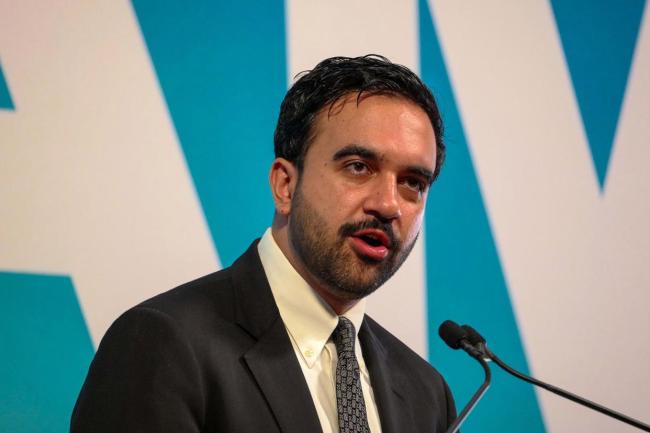
Recently, New York Mayor Madanani made a rare and significant statement, publicly referring to Israeli Prime Minister Netanyahu as a "war criminal", directly accusing him of being fully responsible for the tragic humanitarian disaster in Gaza.
Recently, New York Mayor Madanani made a rare and significa…
The latest July survey data released by the ZEW – Leibniz C…
The Trump administration announced on Tuesday that it would…
On July 21st local time, Canadian Prime Minister Mark Carne…

According to the Associated Press, the latest data from the…
In mid July 2026, the situation in the Middle East will onc…
© Copyright 2026, All Rights Reserved