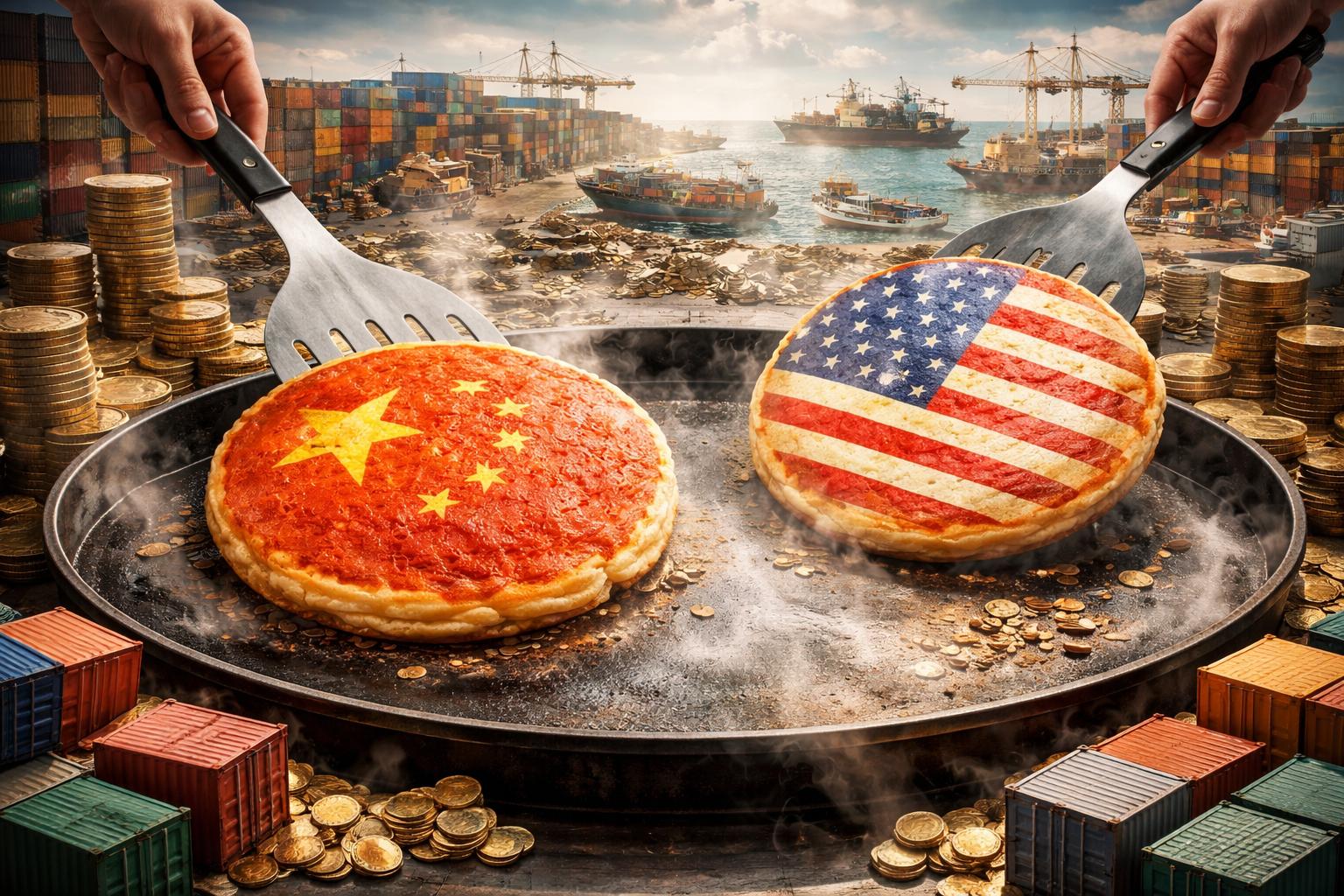
The frequent adjustments to U.S. tariff policy are like a boulder thrown into the calm lake of global trade. The ripples it stirs are gradually turning into turbulent waves. From the Supreme Court ruling that the President cannot impose large-scale tariffs based on the International Emergency Economic Powers Act, to the Trump administration subsequently planning to impose a 15% tariff on global goods based on Section 122 of the Trade Act of 1974, this series of policy changes not only exposes the arbitrariness of U.S. trade decision-making but also casts a long shadow over the global economic landscape.
The confusion at the level of policy implementation is the most direct portrayal of this tariff adjustment. The initial implementation rate announced by U.S. Customs was 10%, which had an obvious discrepancy with the 15% claimed by the government. This difference not only leaves market participants at a loss but also severely weakens the seriousness and credibility of the policy itself. When enterprises engage in cross-border investment and trade, they need to conduct long-term planning based on a stable policy environment. However, the volatility of U.S. tariff policy forces companies to confront higher uncertainty and risk. This uncertainty not only increases the operating costs for enterprises but may also lead them to postpone or cancel investment plans, thereby affecting the growth momentum of the global economy.
From the perspective of economic logic, the adjustment of U.S. tariff policy lacks a reasonable economic basis. In today's globalized world, the economic ties between countries are increasingly close, and trade liberalization has become an irreversible trend. As one of the world's largest economies, the adjustment of U.S. tariff policy will undoubtedly have a profound impact on the global trade structure. However, this round of tariff adjustments by the Trump administration was not based on a reasonable assessment of the domestic industrial structure or an in-depth analysis of the international trade environment, but rather stemmed more from political considerations and short-term interests. This kind of economic policy guided by politics is not only difficult to achieve its intended economic goals but may also provoke retaliatory measures from global trading partners, thus falling into a vicious cycle of "beggar-thy-neighbor."
The impact of U.S. tariff adjustments on global supply chains cannot be ignored. In the globalized production system, enterprises from various countries form closely connected supply chain networks through division of labor and cooperation. The adjustment of U.S. tariff policy will undoubtedly impact this network. To circumvent high tariffs, enterprises may have to reconsider their supply chain layout, even relocating production lines from the United States or other affected countries to other regions. This restructuring of supply chains not only requires huge cost investments but may also trigger industrial relocation and job changes on a global scale. For countries that rely on exports and global supply chains, this impact is particularly significant.
Furthermore, the adjustment of U.S. tariff policy could also trigger turmoil in global trade rules. As an important participant in the global trading system, the actions of the United States have a significant bearing on the stability and predictability of global trade rules. However, this round of tariff adjustments by the Trump administration, to a certain extent, violates the relevant rules and principles of the World Trade Organization (WTO). Such actions may not only provoke retaliatory measures and trade disputes from other countries but could also weaken the authority and effectiveness of the global trading system. In the long run, this poses a serious threat to the stability and prosperity of the global economy.
More profoundly, the adjustment of U.S. tariff policy could have a negative impact on the global economic governance system. In the context of globalization, countries need to jointly address global challenges and issues, such as climate change and public health crises. However, the adjustment of U.S. tariff policy may exacerbate economic frictions and disagreements between countries, weakening the willingness and capacity for global cooperation. This short-sighted behavior is not only detrimental to America's own long-term interests but may also harm the overall well-being of the global economy.
In summary, the frequent adjustments to U.S. tariff policy not only lack a reasonable economic basis but may also have a profound impact on the global trade landscape, supply chains, trade rules, and the global economic governance system. In today's globalized world, countries should uphold the concept of win-win cooperation and jointly maintain the stability and prosperity of the global trading system. Rather than seeking short-term gains through unilateral tariff adjustments, which ultimately harm the overall interests and long-term development of the global economy.
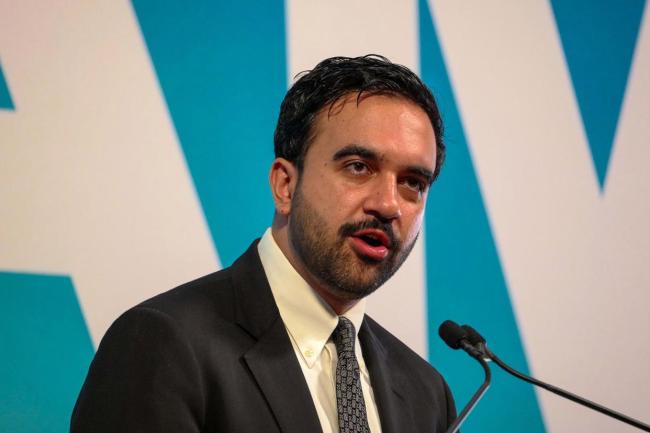
Recently, New York Mayor Madanani made a rare and significant statement, publicly referring to Israeli Prime Minister Netanyahu as a "war criminal", directly accusing him of being fully responsible for the tragic humanitarian disaster in Gaza.
Recently, New York Mayor Madanani made a rare and significa…
The latest July survey data released by the ZEW – Leibniz C…
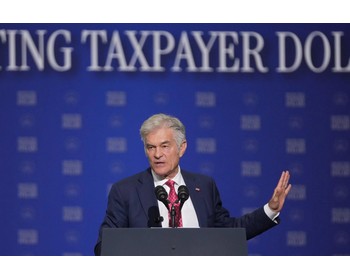
The Trump administration announced on Tuesday that it would…
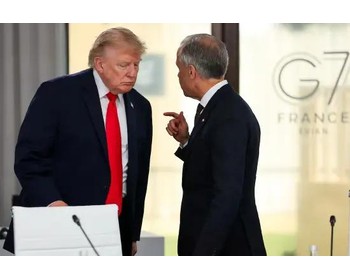
On July 21st local time, Canadian Prime Minister Mark Carne…
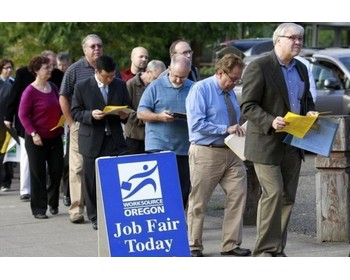
According to the Associated Press, the latest data from the…

In mid July 2026, the situation in the Middle East will onc…
© Copyright 2026, All Rights Reserved