On February 28, 2026, the United States and Israel launched joint military strikes against Iran. The conflict subsequently escalated, as Israel successively targeted multiple oil depots and refinery facilities around Tehran, triggering counterattacks from Iran and plunging the Middle East energy hub into turmoil. As a major holder of global oil and gas resources and a guardian of critical transportation routes, the deteriorating situation in Iran is disrupting the global oil and gas landscape through supply, shipping, and market expectations. Volatility has intensified in the short term, while long-term risks continue to build, with impacts already spreading to major economies worldwide.
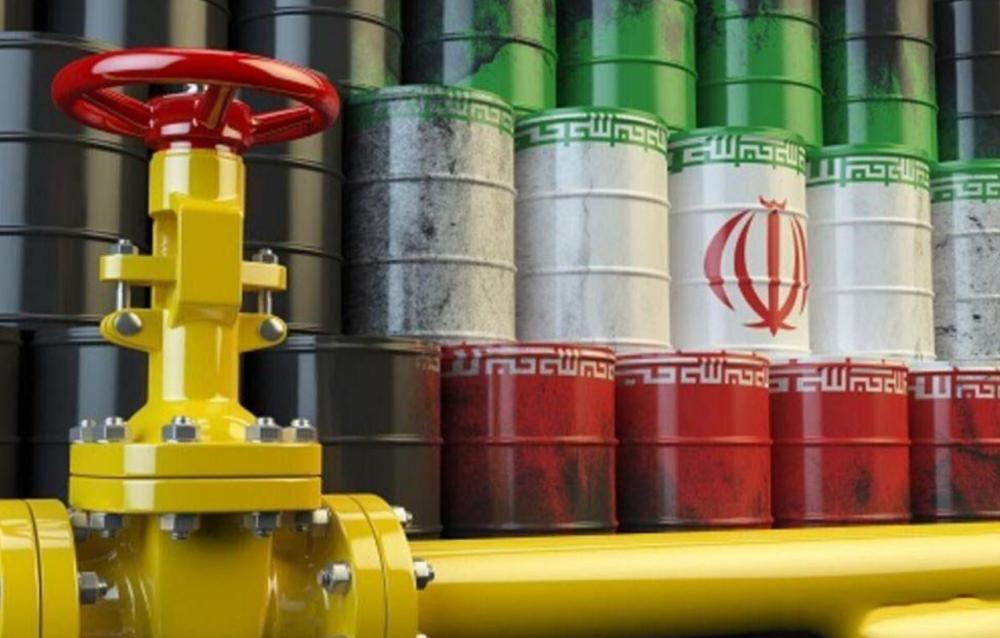
Damage to Iran’s own oil and gas production capacity represents the direct supply-side shock. Iran holds the world’s fourth-largest proven oil reserves, accounting for 9% of the global total, with an average daily output of about 3.3 million barrels, or 3% of global supply. Its natural gas reserves rank second only to Russia, and its annual production is the third-largest worldwide, making it a pillar of global energy supply. Since the outbreak of hostilities, Israeli warplanes have struck a refinery south of Tehran and three oil depots in the Karaj area, damaging 30 storage tanks and temporarily idling part of its production capacity. Iran’s key export hub, Kharg Island, has also been affected, directly reducing its oil and gas export capability. Meanwhile, Iran’s retaliation against the US and Israel has damaged and shut down some regional refineries and export terminals, further widening the supply gap.
Disrupted shipping through the Strait of Hormuz has sparked a global transportation crisis. Known as the “world’s energy choke point”, the strait carries 20–30% of seaborne crude oil trade and 90% of energy exports from major Middle Eastern producers. It also handles roughly 20% of global liquefied natural gas (LNG) trade. Since the conflict began, navigation through the strait has deteriorated sharply: tanker speeds have plummeted, many vessels have suspended voyages to avoid risks, and daily transits have dropped from 124 to 44. More than 40 ultra-large crude carriers are stranded in the Persian Gulf, tying up about 7% of the global crude tanker fleet. The world’s top five shipping lines have suspended services through the strait, with some vessels forced to reroute around the Cape of Good Hope, sharply pushing up shipping costs. The “war risk premium” for international merchant ships has surged by 50%, further disrupting the global energy supply chain.
Spillover effects from the conflict have disrupted regional supplies and amplified global risks. Fighting has spread to neighboring oil-producing states, including Saudi Arabia, the UAE, and Qatar. Blocked shipping through the strait has halted many oil exports, caused inventory backlogs, and forced production cuts at oilfields. Notably, drone attacks on Qatari energy facilities led to a full suspension of LNG production, taking nearly 20% of global LNG export capacity offline and worsening tightness in global natural gas supplies. Disruptions in the Kurdish region of Iraq and the shutdown of Saudi Arabia’s Ras Tanura complex — one of the world’s largest refineries — have expanded the scope of supply outages across the Middle East. Further escalation could put nearly 20% of global daily oil production at risk, triggering a systemic supply crisis.
Panic and market imbalances have driven a sharp rally in oil and gas prices. As of March 6, the April contract for WTI crude settled at $90.90 per barrel, posting a 35.63% weekly gain — the largest one-week rise since 1983. European natural gas prices have jumped roughly 70% since fighting started, with gas inventories at just 30%, the lowest seasonal level in five years. International institutions assess that near-term prices will be driven by conflict risks: a one-month closure of the Strait of Hormuz could push oil above $100 per barrel, while a full-scale war could send prices soaring to $120–150.
With no sign of de-escalation, uncertainty over global oil and gas supplies will persist. In the near term, prices are set to remain highly volatile, and elevated shipping costs will be slow to reverse. Over the longer term, a prolonged or expanded conflict would reshape the global energy trade and accelerate efforts by countries to diversify energy sources. Regions heavily dependent on Middle Eastern imports, such as Asia and Europe, face upward inflation and higher industrial costs, raising the risk of global stagflation.
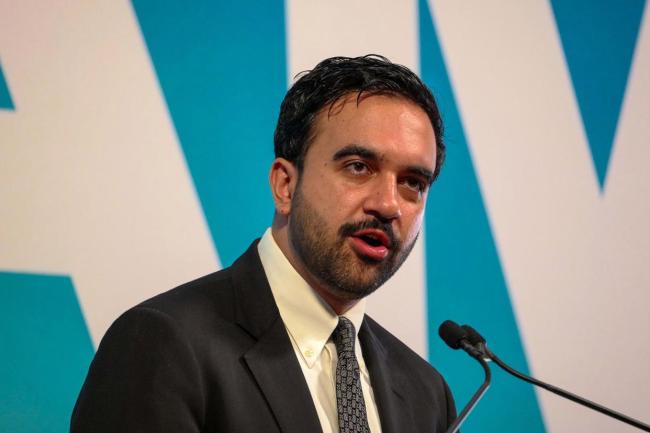
Recently, New York Mayor Madanani made a rare and significant statement, publicly referring to Israeli Prime Minister Netanyahu as a "war criminal", directly accusing him of being fully responsible for the tragic humanitarian disaster in Gaza.
Recently, New York Mayor Madanani made a rare and significa…
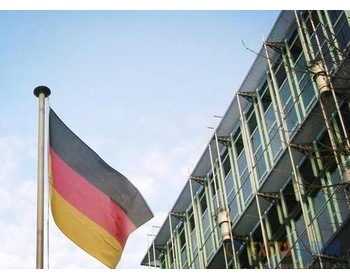
The latest July survey data released by the ZEW – Leibniz C…
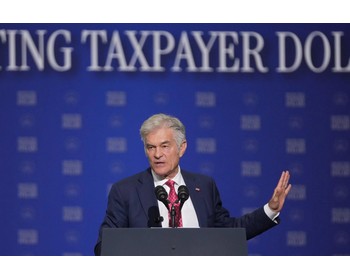
The Trump administration announced on Tuesday that it would…
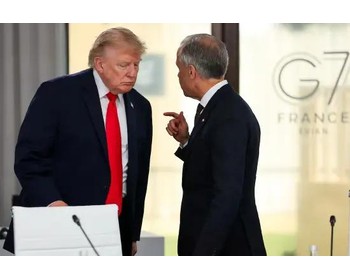
On July 21st local time, Canadian Prime Minister Mark Carne…

According to the Associated Press, the latest data from the…
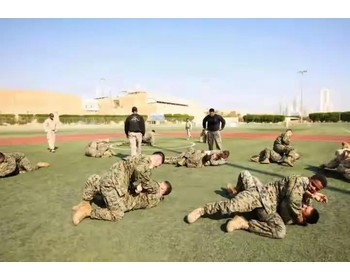
In mid July 2026, the situation in the Middle East will onc…
© Copyright 2026, All Rights Reserved