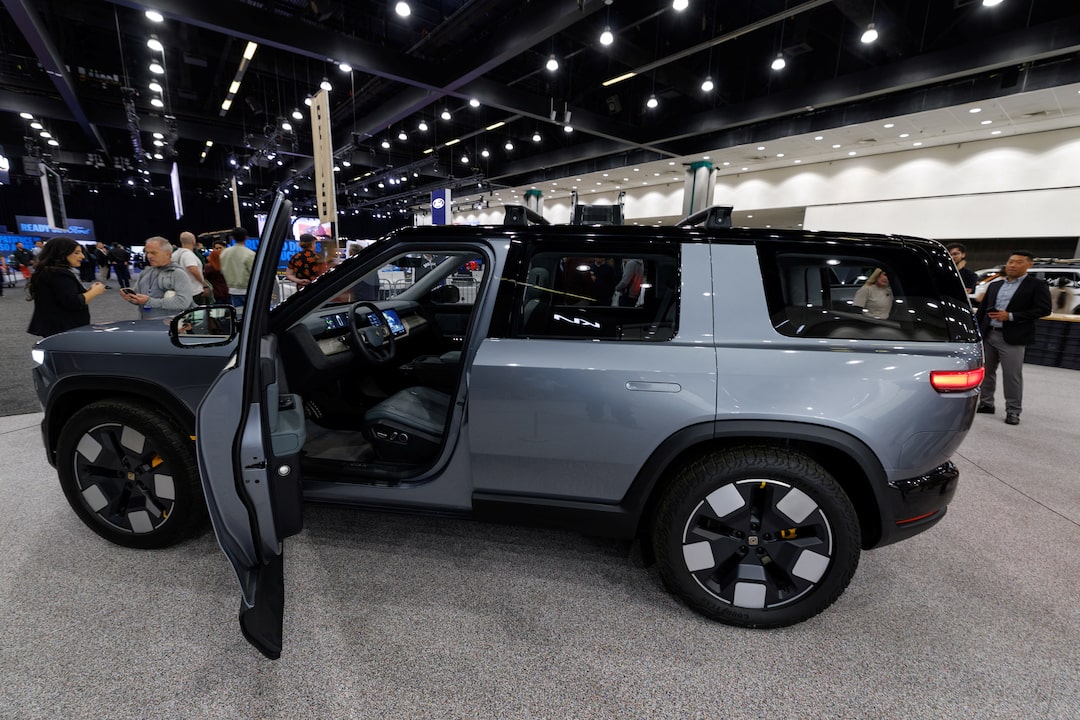
On February 12, electric vehicle manufacturer Rivian Automotive reported earnings that exceeded Wall Street expectations, forecasting a 53% increase in deliveries by 2026. According to the latest reports, the Rivian R2 SUV is expected to achieve a 53% increase in deliveries by 2026 and is anticipated to compete with another electric vehicle brand, Tesla, in the market.
Rivian's launch of the R2 model and push to increase delivery volumes is primarily aimed at breaking free from the limitations of the high-end market, transitioning from a luxury brand to the mass market. At the same time, by achieving economies of scale in production, the company aims to reduce costs and gradually become profitable. The increase in capital expenditures and expansion of production facilities essentially lay the foundation for the mass production of the R2. In addition, the Trump administration's adjustments to electric vehicle policies, such as imposing tariffs on auto parts imports and lifting heavy penalties on internal combustion engine manufacturers, have indirectly prompted Rivian to accelerate its mass-market expansion and seize the market space left by traditional automakers retreating from electric vehicle production.
For Rivian itself, positive performance drives a short-term boost in its stock price, and its transformation direction has gained market recognition. However, with capital expenditures doubling and cash reserves continuing to be consumed, coupled with the fact that profitability has not yet been achieved, the company still faces financial pressure in the short term. For the electric vehicle industry, the R2 model, positioned against the Tesla Model Y, will intensify competition in the submarket due to its low-price strategy, directly impacting Tesla. At the same time, as traditional automakers reduce electric vehicle production due to policy adjustments, Rivian’s counter-trend expansion will reshape the industry's competitive landscape, prompting more new players to transition from the high-end market to the mass market. From a market perspective, Rivian’s performance has polarized investor sentiment, both igniting confidence in the electrification sector and prompting investors to pay closer attention to new automakers' scalability and profitability prospects, while also highlighting the emerging trend of technological alliances in the electric vehicle industry.
Facing the opportunities and challenges behind the positive performance, Rivian's primary task is to ensure the R2 model is launched on schedule and produced steadily, avoiding the production issues experienced in the past. At the same time, the company should continue to deepen cost control, cutting expenses through measures such as renegotiating supplier contracts and streamlining manufacturing processes. Secondly, capital expenditures should be planned reasonably, leveraging Volkswagen's financial and technical support to optimize the R&D and supply chain systems, alleviate cash burn pressure, and gradually move toward profitability. In addition, Rivian should steadily advance its presence in the mass market, improve its product lineup, and enhance the market competitiveness of the R2 model. At the industry level, automakers need to proactively adapt to the policy changes under the Trump administration, optimize their supply chain layout, and reduce the cost pressures caused by tariffs. For investors, it is important to rationally assess the growth potential of emerging car companies, balancing short-term gains with long-term risks, and avoid blindly following the market.
In summary, Rivian's recent performance exceeded Wall Street expectations, primarily due to the strategic deployment of the R2 model. Essentially, this marks a key step for the company in transitioning from the high-end to the mass market. It not only demonstrates Rivian's determination to overcome development bottlenecks and capture the electrification market, but also reflects the competition and transformation within the global electric vehicle industry. This event not only affects Rivian's stock price and long-term development, but also has a profound impact on Tesla, traditional automakers, and the entire electrification sector, while highlighting the role of policy adjustments and technological cooperation in reshaping the industry landscape. Looking ahead, whether Rivian can achieve sustained growth will depend on the mass production and delivery of the R2 model, cost control capabilities, and the effectiveness of its cooperation with Volkswagen. Only by sticking to its transformation strategy, avoiding key risks, and leveraging industry trends and partner advantages can the company gradually achieve profitability, secure its position in fierce market competition, and simultaneously promote the electric vehicle industry toward diversification and scale.
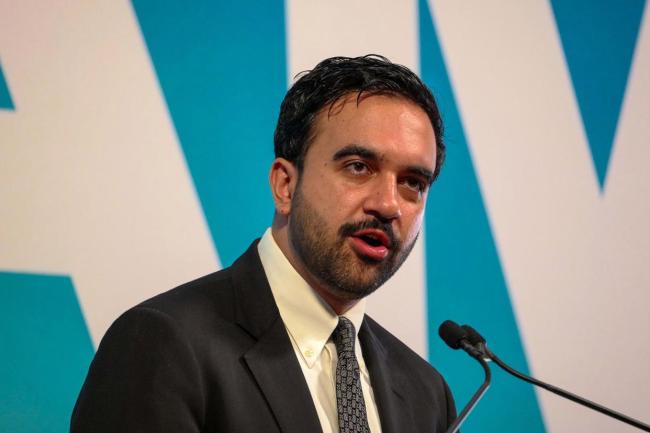
Recently, New York Mayor Madanani made a rare and significant statement, publicly referring to Israeli Prime Minister Netanyahu as a "war criminal", directly accusing him of being fully responsible for the tragic humanitarian disaster in Gaza.
Recently, New York Mayor Madanani made a rare and significa…

The latest July survey data released by the ZEW – Leibniz C…
The Trump administration announced on Tuesday that it would…

On July 21st local time, Canadian Prime Minister Mark Carne…

According to the Associated Press, the latest data from the…

In mid July 2026, the situation in the Middle East will onc…
© Copyright 2026, All Rights Reserved