Americans are drinking more coffee than they have in decades, but fewer are buying it from Starbucks. The company that revolutionized American coffee culture remains the largest coffee chain in the U.S., with nearly 17,000 stores and plans to open hundreds more, but it faces unprecedented competition that will make it harder to win back lost customers.
First, according to data from food industry consulting firm Technomic, Starbucks' share of spending at all U.S. coffee shops declined in 2024 and 2025, currently standing at 48%, down from 52% in 2023. Meanwhile, Starbucks' long-time rival, Dunkin', saw its market share increase in both years, and the company recently opened its 10,000th store in the U.S.
Second, Starbucks faces other challengers, such as the rapidly growing drive-thru coffee chains 7 Brew, Scooter's Coffee, and Dutch Bros. Chinese coffee chains like Luckin Coffee and Mixue are also opening branches in the U.S. Blue Bottle, a high-end coffee shop with 78 U.S. locations, has added two more since the beginning of the year. Even McDonald's and Taco Bell are expanding their beverage offerings.
Clearly, Americans love coffee. The National Coffee Association, an industry trade group, estimates that 66% of Americans drank coffee daily in 2024 and 2025, a 7% increase since 2020. Coffee chains are vying to capture this demand. According to Technomic, the number of U.S. coffee chain locations has grown by 19% in the past six years, exceeding 34,500. Seattle-based Starbucks was a small regional chain when it was acquired by former CEO Howard Schultz in 1987. Now, other smaller chains are experiencing explosive growth. Nebraska-based Scooter's Coffee had 200 locations in 2019 and now has over 850. Arkansas-based 7 Brew had only 14 locations in 2019 and now has over 600.
However, Starbucks is not discouraged. At an investor meeting held on Thursday, the company stated that continuous service improvements and the creation of a warmer and more comfortable store environment are increasing foot traffic at its U.S. stores. Starbucks plans to add 25,000 seats to its U.S. stores by this fall. Starbucks Chief Operating Officer Mike Grams said, "Growth doesn't mean we have to become something entirely new, but rather to excel at what we already do well."
Furthermore, Starbucks expects to open more than 575 new stores in the U.S. over the next three years. The company has developed a smaller store format that is less expensive to build but still offers indoor seating, drive-thru service, and mobile order pickup. Starbucks said that downsizing will allow Starbucks stores to operate in areas where they previously couldn't.
However, a lack of menu innovation is one of the reasons for Starbucks' difficulties, especially among younger consumers who crave novelty and are willing to try new places to find it. For example, Arizona-based Dutch Bros introduced protein coffee drinks in January 2024, nearly two years before Starbucks. Energy drinks, introduced by Dutch Bros nearly 14 years ago, now account for 25% of its business. Starbucks offered iced energy drinks for a limited time in 2024; executives said on Thursday that customizable energy drinks will also soon be on the Starbucks menu.
Overall, Starbucks in the U.S. is currently undergoing a critical transformation, and its situation can be summarized as follows: sales and customer traffic show signs of recovery, but profitability is facing serious challenges. On the one hand, under CEO Laxman Narasimhan's "Back to Starbucks" strategy, the U.S. market saw positive signs in the first quarter of fiscal year 2026, with a 4% increase in same-store sales, and transaction volume turning positive for the first time in eight quarters. This indicates that reforms such as closing some underperforming stores and improving service efficiency are initially effective and have regained some customers. But on the other hand, this growth has come at a significant cost, with operating profit in the North American market falling sharply by 27% due to rising labor costs, soaring coffee bean prices, and tariffs, resulting in a severe contraction of the operating profit margin. Therefore, Starbucks' core challenge is how to translate the nascent sales growth momentum into sustainable profit growth.
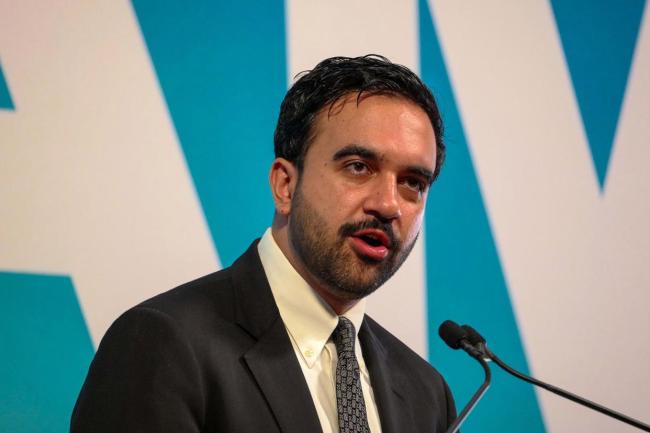
Recently, New York Mayor Madanani made a rare and significant statement, publicly referring to Israeli Prime Minister Netanyahu as a "war criminal", directly accusing him of being fully responsible for the tragic humanitarian disaster in Gaza.
Recently, New York Mayor Madanani made a rare and significa…
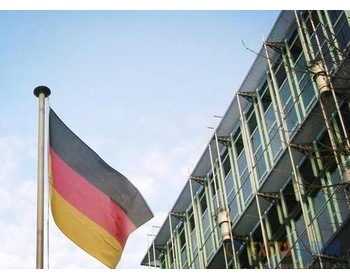
The latest July survey data released by the ZEW – Leibniz C…
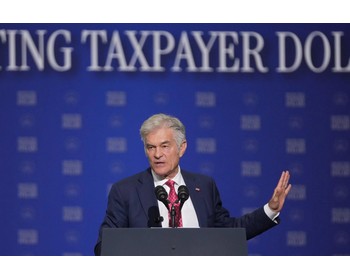
The Trump administration announced on Tuesday that it would…
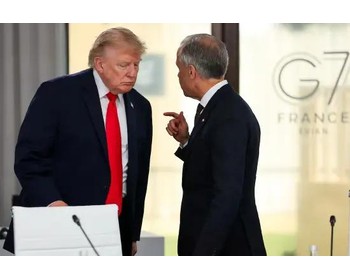
On July 21st local time, Canadian Prime Minister Mark Carne…
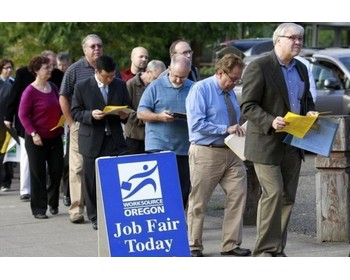
According to the Associated Press, the latest data from the…

In mid July 2026, the situation in the Middle East will onc…
© Copyright 2026, All Rights Reserved