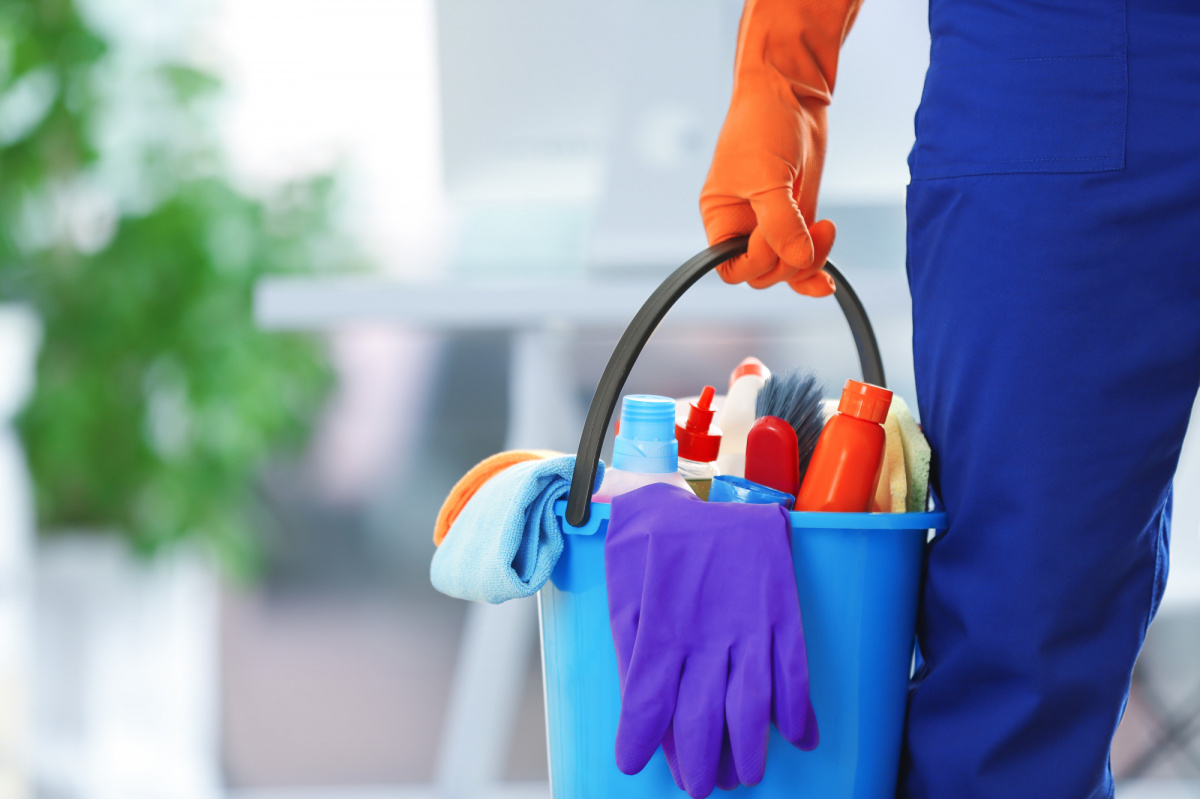
In the San Ann area of Missouri, two 14-year-old high school students, Alakai Wood and Jarvis Kirk, didn't spend their summer vacation relaxing or having fun like most of their peers. Instead, they started a mobile cleaning company called "Rambo Trash Can Cleaning." By cleaning trash cans and vehicles, they not only earned income but also learned about entrepreneurship, gave back to the community, and raised money for their school supplies for the upcoming school term.
The starting point of this small startup was simple. The two boys initially just wanted to do something meaningful because they were bored during the holidays, so they came up with the idea of "earning money and helping others." With the support of their families, they each invested $50 in seed money to buy a portable electric pressure washer and some basic cleaning tools. To make their service appear more professional, they also made business cards with QR codes to make it easier for residents to book services, giving their "small business" a more professional look from the beginning.
In the early stages of their business, their biggest challenge was transportation. Because they were underage, they couldn't drive and had to carry their equipment around the neighborhood. Initially, they tried using regular bicycles, but quickly found them too inefficient and physically demanding to meet customer needs. So, they saved money by doing odd jobs and mowing lawns for neighbors, eventually purchasing electric bicycles on a secondhand platform. This change significantly improved their efficiency and allowed them to more easily move their cleaning equipment between different neighborhoods.
As their service stabilized, the cleaning company became popular in communities like San Andrews, Bridgeton, and Maryland Heights. Their rates are low: about $20 for cleaning trash cans and about $25 for washing vehicles. Despite limited income, they have earned approximately $3,000 so far. This money is significant to them, as they plan to use it to buy school uniforms, shoes, and school supplies for the new school year, thus easing the financial burden on their families and achieving their goal of self-sufficiency.
Beyond earning money, these two teenagers emphasize the social significance of their business. They frequently provide free cleaning services to elderly residents with mobility issues. Many seniors are unable to empty trash cans or perform basic cleaning themselves due to physical limitations, making their assistance particularly important in the community. This act of "helping others along the way" transformed their company from a business project into a small, philanthropic service team.
Their efforts gradually gained recognition from the community. Local residents shared information about their services on social media platforms, offering high praise and encouraging more people to support these two hardworking young people. This positive reputation further propelled their business growth and strengthened their confidence to continue.
At the family level, this experience was also seen as an educational achievement. Alakai's mother stated that she has always taught her son to be responsible, persistent, and prepared for the future. Seeing her son try his hand at entrepreneurship, serve others, and cover his own educational expenses filled her with immense satisfaction. She hopes he will continue his studies, pursue higher education, and even develop his own career.
Overall, this story is more than just two teenagers earning pocket money; it showcases a positive approach to growth. Using simple tools and limited funds, starting with solving "boredom," they gradually developed a small entrepreneurial project that combined business and philanthropy. In the process, they learned how to plan, solve transportation and equipment problems, communicate with customers, and understand the meaning of responsibility and giving back to society through practice. This summer, they not only earned money to buy school supplies, but also gained experience and growth that are more important than money.
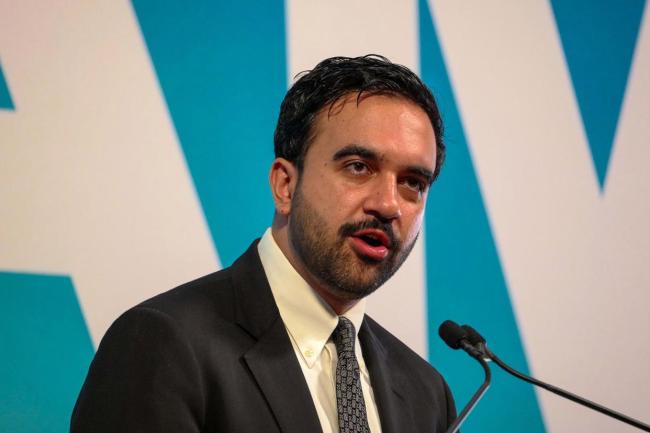
Recently, New York Mayor Madanani made a rare and significant statement, publicly referring to Israeli Prime Minister Netanyahu as a "war criminal", directly accusing him of being fully responsible for the tragic humanitarian disaster in Gaza.
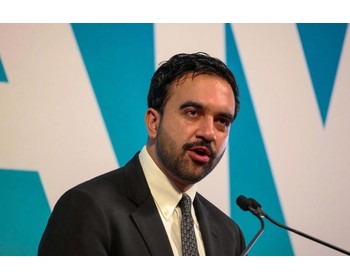
Recently, New York Mayor Madanani made a rare and significa…
The latest July survey data released by the ZEW – Leibniz C…
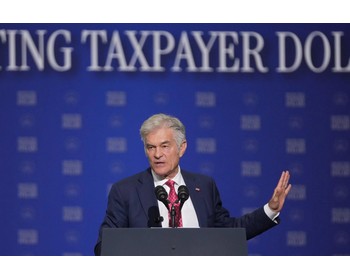
The Trump administration announced on Tuesday that it would…
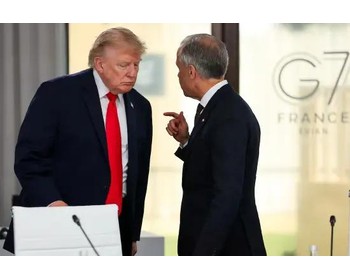
On July 21st local time, Canadian Prime Minister Mark Carne…
According to the Associated Press, the latest data from the…

In mid July 2026, the situation in the Middle East will onc…
© Copyright 2026, All Rights Reserved