Recently, BMW Group suddenly released a statement significantly lowering its core performance guidance for the 2026 fiscal year: the expected EBIT profit margin for the automotive business has been halved from 4% -6% to 1% -3%, global delivery volume has been revised from "unchanged from the previous year" to "slightly decreased", and the expected pre tax profit decline for the group is more than 15%. This is the first time in nearly 20 years that BMW has lowered its profit margin to the 1% -3% range during non crisis periods - the last time this range occurred was during the 2008 financial crisis and the 2020 pandemic. Why did the luxury car giant, once known for its stability, suddenly step on the brakes in the first half of 2026? The answer lies in the four dilemmas of the Chinese market losing ground, global geopolitical disturbances, lagging electrification transformation, and internal reform pains.
As BMW's largest single market globally, China has contributed over 30% of its sales and is the core engine of its profits. But in the first quarter of 2026, the data took a sharp turn for the worse: 144000 vehicles were delivered in China, a year-on-year drop of 10%, and the sales proportion plummeted from a peak of 33.5% to 25.5%. Even more deadly is that the Chinese high-end car market has entered a white hot price war, with 31 BMW models collectively experiencing official price reductions, and the i7 flagship model experiencing a maximum drop of over 300000 yuan, directly breaking through the bottom line of profits. Local high-end new energy brands are rising strongly, accurately seizing the core profit margin of 300000 to 600000 yuan, while BMW's penetration rate of new energy vehicles in China is only 6.2%, far lower than the overall level of 54.1% in China, exposing the shortcomings of electrification. The slight growth in the European and North American markets cannot offset the cliff like decline in the Chinese market.
Global geopolitical and cost pressures constitute external shackles for the decline in performance. The impact of the ongoing conflict in the Middle East far exceeds expectations, with shipping disruptions in the Strait of Hormuz directly driving up oil prices and increasing energy costs adding to production and logistics burdens. At the same time, global trade protectionism is on the rise, and tariff barriers are high in various countries. BMW estimates that tariff factors will directly drag down the profit margin of its automotive business by about 1.25 percentage points. Under the dual pressure of energy and tariffs, BMW's global production costs continue to rise, while consumer confidence in the end market weakens, further suppressing the demand for car purchases and forming a two-way pressure of "cost increase and income decrease".
The pace of electrification transformation is lagging behind, and strategic weaknesses are concentrated. Faced with the explosive growth of China's new energy market, BMW's electrification layout is significantly slow. In the first quarter of 2026, BMW's global sales of pure electric vehicles decreased by 20.1% year-on-year, and there is a lack of popular models for pure electric vehicles in China. On the other hand, local brands, relying on technological iteration and cost advantages to quickly seize the market, have continuously compressed the profit margin of BMW's traditional fuel vehicles, and have not been able to timely fill in the new business of electrification, falling into an awkward situation of "out of stock". Although BMW is accelerating the promotion of the "NEUE KLASE" new generation technology and plans to launch more than 40 new models before 2027, it is far from enough to quench its thirst and it is difficult to reverse its decline in the short term.
The internal reform pains are overlapping, and short-term financial pressure is intensifying. In response to the crisis, BMW's new CEO Milan Nordkowicz has pushed for significant cost reduction and organizational restructuring, optimizing business processes and streamlining redundant links. However, such structural reforms will inevitably come with one-time expenses, which will be reflected as negative financial impacts in the second half of 2026, further lowering the annual profit level. It is worth noting that BMW emphasized that the dividend payout ratio and share repurchase plan remain unchanged, aiming to appease the capital market and send a signal that "long-term confidence still exists".
The downward adjustment of guidance this time is not only a rational compromise of BMW to the current severe market environment, but also an active change in its bone scraping therapy. In the short term, the profit margin has fallen to the crisis zone and the stock price has plummeted by over 11%, with obvious impacts; But in the long run, the profound lessons of the Chinese market and the pressure of global costs may drive BMW to accelerate its electrification transformation and deepen its localization layout. The golden age of the luxury car market has passed, and the era of lying down and winning has come to an end. Only by quickly adapting to the needs of the Chinese market, addressing the shortcomings of electrification, and strictly controlling costs can BMW overcome its current predicament.
For the entire automotive industry, BMW's warning is also a microcosm of the industry: the global car market has entered a period of deep adjustment, with geopolitical conflicts, price wars, and the triple pressure of electrification transformation coexisting, and no enterprise can be alone. In the future, the competition among luxury car companies will no longer be a single product competition, but a comprehensive competition of strategic determination, transformation speed, and localization ability. Whether BMW can return to the growth track after the pains depends on whether it can transform the crisis into a driving force for change and fight a beautiful comeback.
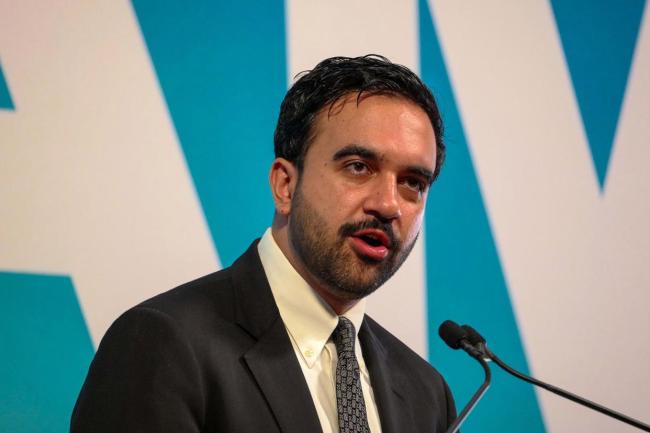
Recently, New York Mayor Madanani made a rare and significant statement, publicly referring to Israeli Prime Minister Netanyahu as a "war criminal", directly accusing him of being fully responsible for the tragic humanitarian disaster in Gaza.
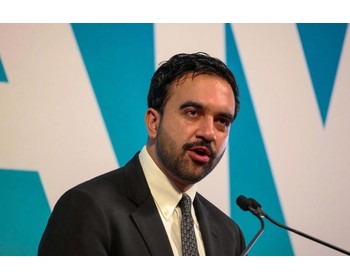
Recently, New York Mayor Madanani made a rare and significa…
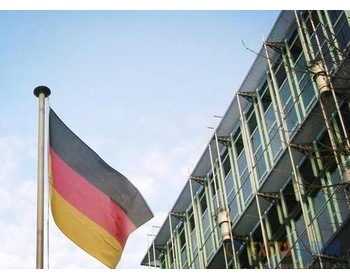
The latest July survey data released by the ZEW – Leibniz C…
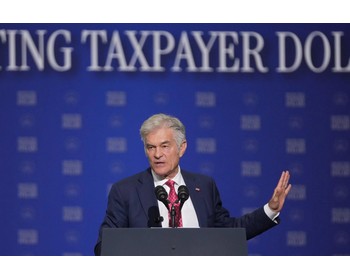
The Trump administration announced on Tuesday that it would…
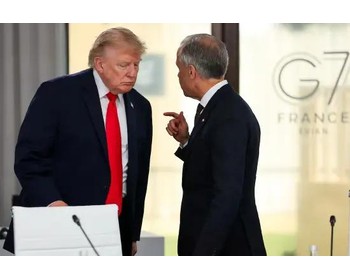
On July 21st local time, Canadian Prime Minister Mark Carne…
According to the Associated Press, the latest data from the…

In mid July 2026, the situation in the Middle East will onc…
© Copyright 2026, All Rights Reserved