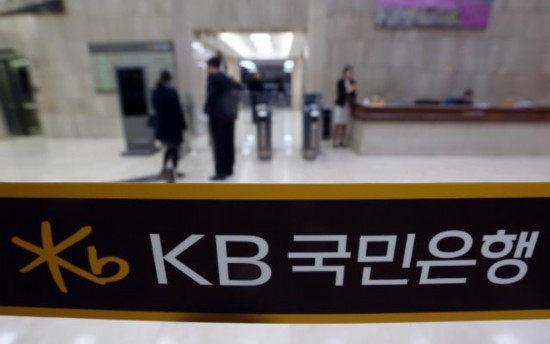
Recently, the Korea Fair Trade Commission imposed a total fine of 184 million US dollars on the four major Korean banks - KB National, Shinhan, Woori, and Hanah - for their collusion in manipulating the real estate loan ratio.
This scandal has far-reaching implications beyond the boundaries of a single country. It is like a stone dropped into a global business pond, causing ripples that reflect the common ills of various markets: in a highly concentrated industrial landscape, how do the giants slide from competitors to conspirators, and what is the universal threat posed by this "delicate collusion" to global business ethics?
To analyze its causes, one must recognize the structural soil that gave rise to this behavior. The market dominated by the "four giants" of Korean banking is an epitome of a textbook oligarchic pattern. With a limited number of competitors and low costs of mutual monitoring, the possibility of reaching and maintaining an implicit conspiracy increases significantly.
The deeper driving force stems from the common growth anxiety and performance pressure in the global business society. When organic growth is difficult, manipulating key business parameters through covert coordination becomes a shortcut to maintaining financial figures and soothing capital market expectations. This is essentially a global business short-sightedness - enterprises no longer strive to create value through innovation, but turn to manipulating rules to distribute value.
From an international business perspective, its risk impact is far-reaching. Firstly, it undermines the cornerstone on which the global business system operates - fair competition. When prices are distorted by collusion, resources cannot be effectively allocated globally, ultimately hindering productivity growth and the emergence of innovation. Secondly, it has caused a cross-border trust crisis. This incident became a headline in international media, sending a warning to global investors: even in mature economies, their core financial institutions may also have systemic fraud. This trust erosion will increase the transaction costs of cross-border capital flows and trigger a chain of panic withdrawals in times of crisis. Finally, it poses a common challenge to regulators of various countries. Under the cover of globalization business and digital communication, modern business collusion is more concealed. This case reveals an embarrassing reality: such collusion may persist for several years before being discovered. If fines are merely regarded as calculable "business costs" rather than an absolute red line, then similar behaviors will continue to be prohibited worldwide.
The solution must have an international perspective and systemic rigidity. For regulatory agencies of various countries, deepening cross-border cooperation and intelligence sharing is no longer an option but a necessity. For multinational enterprises and international oligarchic industries, efforts should be made to establish more unified business conduct standards and more deterrent joint disciplinary mechanisms.
For enterprises themselves, they must elevate compliance and business ethics to a true strategic core. In global operations, adhering only to the bottom line of local laws is dangerous. Establishing a set of standards higher than local standards and globally consistent, and a culture of integrity that is above local standards, is the asset to win long-term international trust. This requires the boards of enterprises to place anti-monopoly compliance above short-term financial indicators and establish truly independent and secure global reporting channels.
Ultimately, the fine imposed on Korean banks rings out a global alarm. It satirically reveals that in today's highly developed business civilization, the oldest form of fraud - collusion has not disappeared but has found new living space under modern clothing. It warns all market participants: when business elites choose to divide benefits in a secret room rather than create value in the market, they are not only shortening the well-being of their own domestic consumers but also eroding the precious trust that the global business network relies on for connection. And rebuilding trust will be the most expensive and necessary business investment of this era.
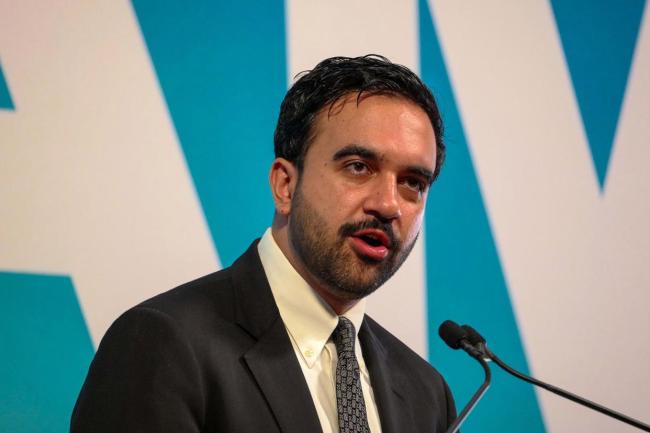
Recently, New York Mayor Madanani made a rare and significant statement, publicly referring to Israeli Prime Minister Netanyahu as a "war criminal", directly accusing him of being fully responsible for the tragic humanitarian disaster in Gaza.
Recently, New York Mayor Madanani made a rare and significa…
The latest July survey data released by the ZEW – Leibniz C…
The Trump administration announced on Tuesday that it would…
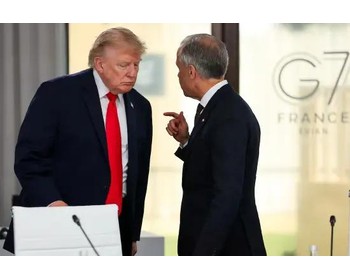
On July 21st local time, Canadian Prime Minister Mark Carne…

According to the Associated Press, the latest data from the…

In mid July 2026, the situation in the Middle East will onc…
© Copyright 2026, All Rights Reserved