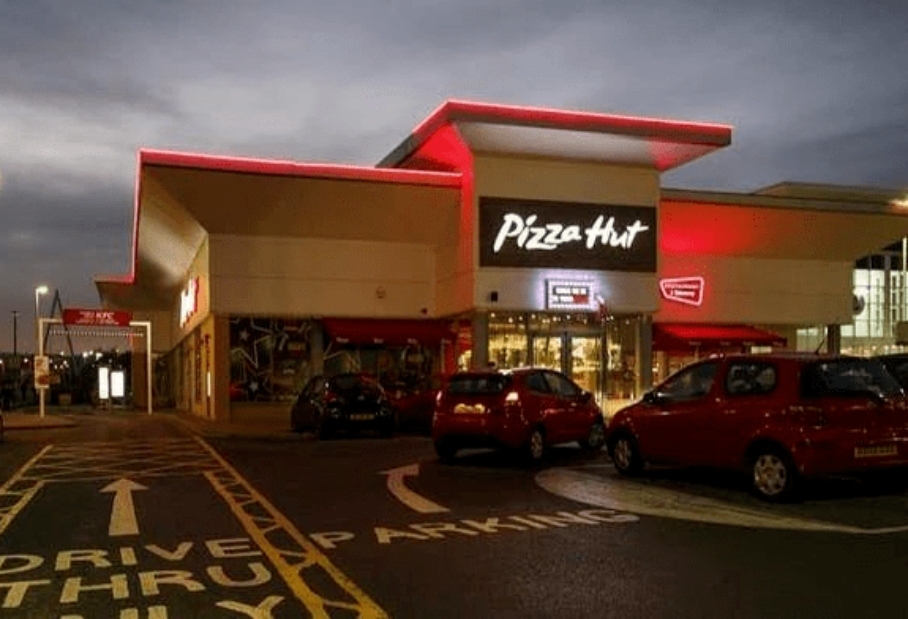
According to a recent report by Entrepreneur magazine, Pizza Hut is reviving classic elements such as its red roof, red cups, and Pac-Man games in an effort to recapture the glory of the 1980s. This move stems from franchisees' pursuit of retro trends and Pizza Hut's reluctant pivot following failed modernization attempts. While this decision appeals to some consumers’ nostalgia, it also reveals the brand’s short-sightedness in strategic adjustment and ambiguity in market positioning.
Pizza Hut’s return to retro reflects its loss of direction during the modernization process. In recent years, aiming to attract younger consumers and keep pace with fashion trends, Pizza Hut invested heavily in upgrading store designs with minimalist, contemporary aesthetics, attempting to create a completely new brand image. However, this transformation failed to resonate with young customers as expected and instead alienated many long-time patrons who found the new look unfamiliar and distant. Declining sales and store closures were clear market feedback on this strategy. The failure lies in Pizza Hut’s neglect of its core brand values and emotional connections with consumers—blindly pursuing superficial modernity while overlooking customers’ attachment to the brand’s history and culture.
While reintroducing retro elements may temporarily capture the attention of nostalgic consumers, in the long run, it risks creating confusion in brand positioning. As an internationally recognized pizza chain, Pizza Hut has thrived by delivering consistent product quality and unique dining experiences. Although the revival of retro style can evoke fond memories, it may also make the brand appear overly conservative and lacking in innovation. In today’s highly competitive foodservice market, consumer expectations extend beyond nostalgia—they seek novelty and distinctive experiences. If Pizza Hut remains focused solely on layering retro aesthetics without investing in product innovation and service upgrades, this trend could prove fleeting, failing to generate sustainable growth.
Pizza Hut’s retro comeback also faces challenges regarding price and value alignment. The report notes that although retro elements evoke warmth and nostalgia for consumers, prices have risen significantly. This means that while Pizza Hut offers a nostalgic experience, it is simultaneously increasing product costs. Consumers are highly sensitive to pricing, especially in uncertain economic conditions where value for money becomes paramount. If the retro experience does not justify the higher prices, customers are likely to switch to more affordable alternatives. Therefore, Pizza Hut must carefully balance its pricing strategy during this revival to ensure the retro experience aligns with cost, avoiding losing customers due to perceived overpricing.
Moreover, Pizza Hut’s return to retro highlights its lag in anticipating market trends. While the report acknowledges that this nostalgia wave aligns with broader 2026 consumer movements toward retro aesthetics, making retro elements central to its brand strategy may cause Pizza Hut to miss out on other promising opportunities. With digitalization and intelligent technologies rapidly evolving, consumer demands for food brands continue to shift. By focusing exclusively on retro themes and neglecting exploration and application of new technologies and business models, Pizza Hut risks falling behind in future competition.
In summary, while Pizza Hut’s retro revival may initially draw consumer attention, from a business perspective, it exposes significant shortcomings in the brand’s strategic adjustments, market positioning, pricing decisions, and trend forecasting. For Pizza Hut, to remain invincible in future market competition, it is essential to maintain its core brand values while focusing on product innovation and service enhancement, carefully considering pricing strategies, and actively exploring the application of new technologies and business models.

Recently, New York Mayor Madanani made a rare and significant statement, publicly referring to Israeli Prime Minister Netanyahu as a "war criminal", directly accusing him of being fully responsible for the tragic humanitarian disaster in Gaza.

Recently, New York Mayor Madanani made a rare and significa…

The latest July survey data released by the ZEW – Leibniz C…

The Trump administration announced on Tuesday that it would…

On July 21st local time, Canadian Prime Minister Mark Carne…

According to the Associated Press, the latest data from the…

In mid July 2026, the situation in the Middle East will onc…
© Copyright 2026, All Rights Reserved