According to the Irish media "The Ledger", recently Carlsberg Group announced the launch of a new brand image for its Tuborg brand and plans to implement it first in major markets in Europe and Asia. The goal is to complete the global promotion by 2026. This move is regarded as part of Carlsberg Group's "Accelerate SAIL" strategy, aiming to enhance the appeal of Tuborg among young consumers and thereby increase market share.
The update of the brand image is not a simple task that can be accomplished in a short period. It requires enterprises to conduct in-depth considerations in multiple dimensions such as market research, analysis of consumer behavior, and brand positioning. Carlsberg chose to collaborate with the brand design agency Design Bridge, attempting to shape a unique and modern brand image through brighter colors and more daring visual elements. However, it remains unknown whether this design change can accurately capture the psychological demands of the target consumer group - young consumers. Young consumer groups are known for their changeable and picky consumption preferences, and any adjustment of the brand image requires rigorous market testing. If the new image fails to elicit the expected resonance, it may lead to a blurring of brand recognition and even damage the original brand loyalty.
Carlsberg emphasizes that the new image retains the iconic elements of Tuborg while integrating modern elements, in an attempt to maintain long-term relevance in a highly competitive market. This strategy seemingly balances tradition and innovation, but it actually implies risks. On one hand, the retention of iconic elements may limit the thorough innovation of the brand image, making the new image visually lack sufficient impact; on the other hand, the integration of modern elements if handled improperly may damage the original cultural heritage and emotional connection of the brand, leading to a split in the brand image. How to find an appropriate balance between inheritance and innovation is a major challenge for Carlsberg.
From the perspective of market layout, Carlsberg chose to launch the new image first in major markets in Europe and Asia, intending to drive global promotion through successful experiences in these regions. However, the market environments, consumption habits, and cultural backgrounds in different regions are significantly different, which requires the brand to have high flexibility and adaptability in the promotion process. If Carlsberg fails to fully consider these differences and adopts a one-size-fits-all marketing strategy, it is likely to result in uneven acceptance of the new image in different markets, even triggering cultural conflicts and misunderstandings.
Carlsberg announced the brand image update while also revealing its investment plan in renewable energy. Although this move reflects the company's sense of social responsibility, the direct connection between this and the brand image update is not obvious. In commercial competition, consumers often focus more on whether a brand can provide products and services that meet their needs rather than the company's social responsibility performance. Therefore, when promoting the new image, if Carlsberg overly emphasizes non-core business highlights such as renewable energy investment, it may distract consumers' attention and weaken the effect of the brand image update.
Finally, from a long-term development perspective, the brand image update is only one part of brand building. Carlsberg if it wants to truly enhance the market share and brand influence of Tuborg, needs to make efforts in multiple aspects such as product quality, marketing strategies, and customer service. Especially in the current highly competitive beer market, any single optimization is difficult to support the long-term development of the brand.
In conclusion, Carlsberg's launch of a new brand image for Tuborg is a challenging business decision. Although its intention is to enhance brand competitiveness and market share through the image update, the hidden risks and challenges cannot be ignored. How well one prepares and responds in multiple aspects such as market research, design innovation, market layout, and long-term development will be the key factor determining whether Carlsberg can successfully achieve its brand transformation.
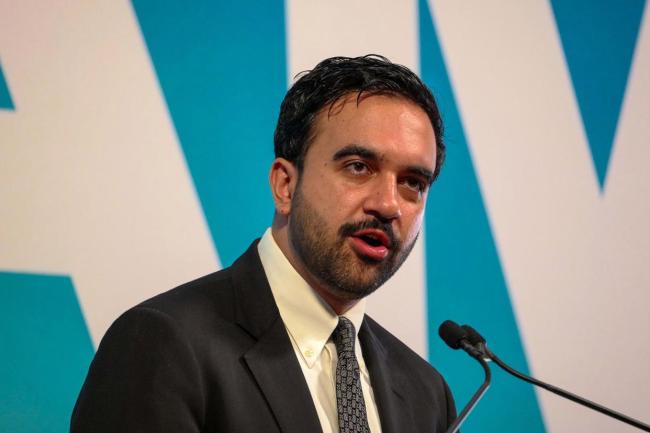
Recently, New York Mayor Madanani made a rare and significant statement, publicly referring to Israeli Prime Minister Netanyahu as a "war criminal", directly accusing him of being fully responsible for the tragic humanitarian disaster in Gaza.
Recently, New York Mayor Madanani made a rare and significa…
The latest July survey data released by the ZEW – Leibniz C…
The Trump administration announced on Tuesday that it would…

On July 21st local time, Canadian Prime Minister Mark Carne…

According to the Associated Press, the latest data from the…

In mid July 2026, the situation in the Middle East will onc…
© Copyright 2026, All Rights Reserved