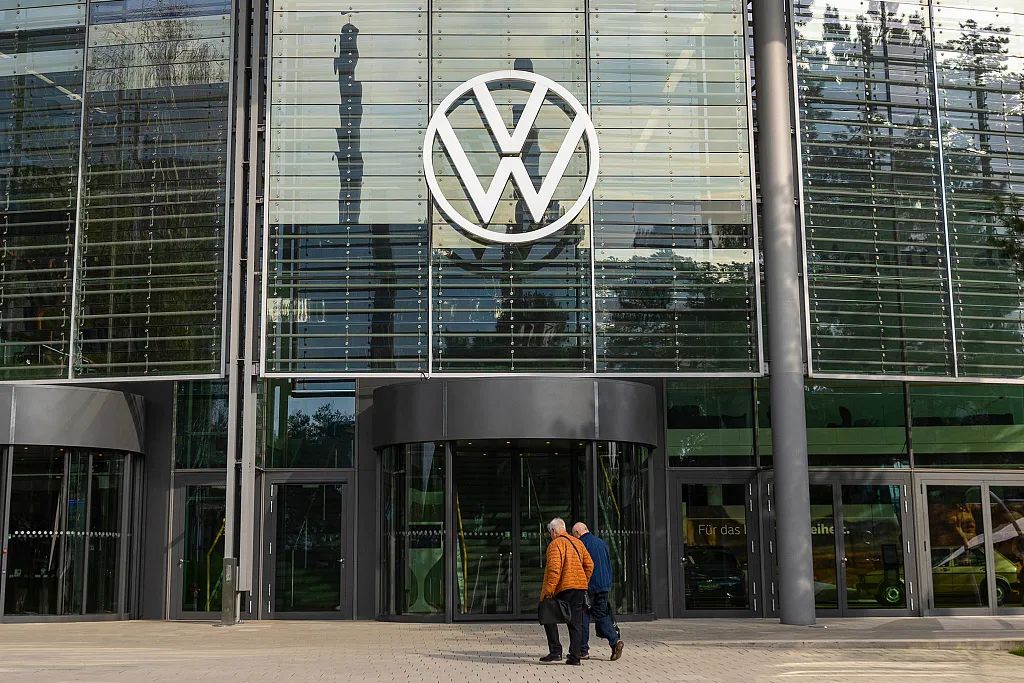
According to the German media "Manager Magazine", recently, the Volkswagen Group is experiencing unprecedented transformation pains. Its CEO, Obrum, is assessing the closure of four German domestic factories and plans to significantly reduce investment expenditures. This series of measures reveal the difficult choices faced by the Volkswagen Group under multiple pressures, and also expose the deep-seated problems in its business strategy.
The four factories that Volkswagen Group intends to close include the Audi production bases in Emden, Zwickau, Hanover, and Neckarsulm. These factories involve approximately 40,000 employees and will reduce annual production capacity by about 750,000 units. Behind this decision is the fact that the unit pure factory cost in the European region of Volkswagen has exceeded 4,000 euros, far above the target line of 3,000 euros. The direct reason for the high cost is the insufficient production capacity utilization, and the deeper problem lies in Volkswagen Group's misjudgment of market demand and the rigidity of production layout. In the context of shrinking market demand and intensified competition, Volkswagen Group failed to timely adjust its production strategy, resulting in overcapacity and rising costs, and ultimately had to take extreme measures such as factory closures to cut costs.
Volkswagen Group plans to reduce about 50,000 jobs in Germany by 2030, with 35,000 positions related to its core main brands. Although thanks to the agreement with the German Metal Industry Union, mandatory layoffs will not be implemented, the reduction will mainly be achieved through partial retirement, buyout of seniority compensation, etc. This undoubtedly will increase the short-term financial burden of the enterprise and may have a negative impact on employee morale and the enterprise's image. More importantly, this reduction method does not fundamentally solve the problem of overcapacity and high costs of Volkswagen Group, but only postpones the problem and lays risks for future operations.
In terms of investment scale, Volkswagen Group's medium-term investment scale has previously been compressed to 160 billion euros, and now it plans to further reduce by about 30 billion euros. The investment for the Audi brand will decrease from approximately 37 billion euros to approximately 33 billion euros. While reducing investment, Volkswagen Group also plans to streamline the model portfolio, cutting approximately one-third of the existing 150 models. This measure seemingly can reduce production costs, but it may also weaken Volkswagen Group's market competitiveness. The simplification of the model portfolio means a reduction in the range of consumer choices, which may lead some consumers to turn to competitors, thereby affecting Volkswagen Group's market share and profitability.
The goal of Volkswagen Group's current reform is to achieve a more streamlined operation model by 2030. However, the current measures for cost reduction are clearly insufficient. Volkswagen Group needs to fundamentally transform its business model and promote deeper structural reforms. However, from the current reform measures, it seems that Volkswagen Group is more focused on responding to short-term pressures rather than conducting long-term strategic planning. Factory closures, job cuts, and investment reductions, and model portfolio simplification, although can reduce production costs in the short term, may also have adverse effects on the long-term development of the enterprise.
The unconventional rescue measures initiated by Volkswagen Group are also questionable. Moving the Osnabrück factory from automotive production to the manufacturing of missile defense system-related components, and considering producing models for specific markets in Europe, although can revitalize idle production capacity, also have many uncertainties. Military cooperation involves complex political and military factors. If the cooperation goes wrong, it may have a serious impact on Volkswagen Group's brand image and operation. Producing models for specific markets in Europe may also face risks such as insufficient market demand and intensified competition.
Volkswagen Group's transformation reveals multiple problems in its business strategy. From market demand misjudgment to rigid production layout, from short-term cost reduction measures to the lack of long-term strategic planning, Volkswagen Group needs to deeply reflect on its business operation model and find a more scientific and reasonable transformation path.
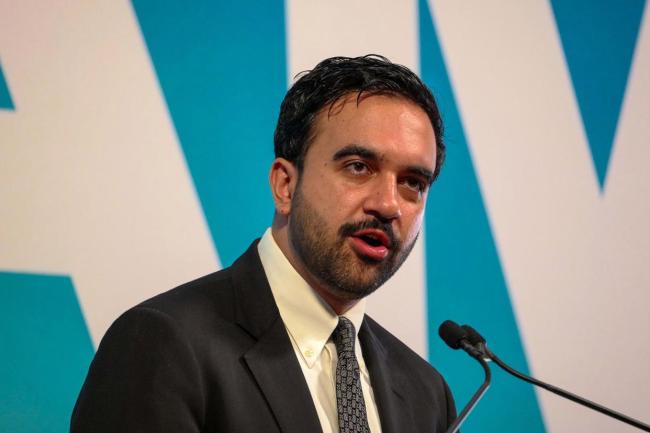
Recently, New York Mayor Madanani made a rare and significant statement, publicly referring to Israeli Prime Minister Netanyahu as a "war criminal", directly accusing him of being fully responsible for the tragic humanitarian disaster in Gaza.
Recently, New York Mayor Madanani made a rare and significa…
The latest July survey data released by the ZEW – Leibniz C…
The Trump administration announced on Tuesday that it would…
On July 21st local time, Canadian Prime Minister Mark Carne…
According to the Associated Press, the latest data from the…

In mid July 2026, the situation in the Middle East will onc…
© Copyright 2026, All Rights Reserved