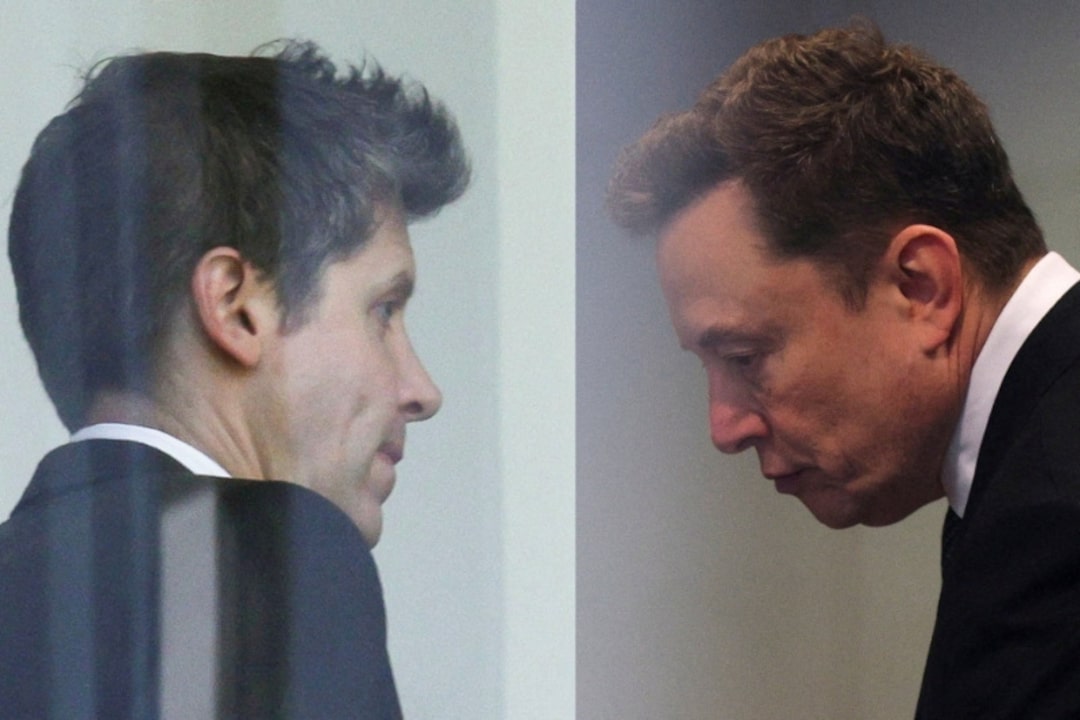
This week, a jury at the U.S. Federal Court in Oakland, California, made a key first-instance ruling in Elon Musk's lawsuit against Open AI, unanimously deciding that Open AI, along with its CEO Sam Altman and President Greg Brock man, bear no legal responsibility to Musk. The entire jury deliberation took less than two hours. According to the latest information, the court and jury unanimously found that Musk filed the lawsuit beyond the statutory time limit, making it too late to seek legal protection, and his legal claims were not supported. After losing, Musk publicly stated that he would persist with an appeal and continued to accuse Altman and others of exploiting charitable institutions for personal gain. Open AI, on the other hand, has completely freed itself from legal constraints, clearing the way for its IPO, although the personal reputation disputes revealed during the trial still have some negative impact on the brand image.
After the first-instance judgment, the reactions of both parties in the litigation and related parties revolved around a deep struggle for their own commercial interests, industry discourse power, and core demands. After suing Open AI and losing, Elon Musk insisted on appealing, ostensibly to defend the original charitable intention and protect his early investment rights, but it does not rule out that he was also trying to grab industry attention and market share for his own xAI, while shaping a public image of himself as committed to AI safety and opposing profit-driven capital. Open AI's victory allowed it to shed compliance controversies and historical burdens, clear the biggest legal obstacle to its IPO, consolidate its position as a global leader in the AI industry, and ensure smooth progress of subsequent financing and commercialization. Microsoft actively responded to the lawsuit and welcomed the ruling in order to rid itself of negative allegations of aiding and abetting the transformation, protect investments worth over one hundred billion dollars, and solidify its deep cooperative relationship with Open AI.
This first-instance ruling will have a profound impact on the AI industry landscape, corporate development, and the capital market. In terms of corporate development, Open AI's greatest legal risk has been completely eliminated, significantly accelerating the pace of its trillion-dollar valuation IPO, and its commercialization strategy is no longer hindered by historical compliance disputes, with the industry's development prospects continuing to improve. Although Elon Musk's x AI has gained public attention, the judicial defeat has undermined its credibility, placing it at a short-term disadvantage in industry competition. In terms of the capital market, market confidence has quickly rebounded, investment sentiment in the technology sector and AI track has warmed, benefiting the valuation improvement of the global AI industry chain. During the trial, multiple witnesses accused Ultraman of dishonesty and fraud. Although Open AI won the lawsuit, the public image of both the individual and the company will be somewhat affected. After losing the case, Musk continued posting complaints online, resulting in an ongoing public war of words between both parties, which will further exacerbate industry polarization.
In the face of the potential impact of the first-instance ruling, all parties should take corresponding measures to respond. Musk's team needs to rationally assess the likelihood of success on appeal, respect the court’s first-instance judgment, and adjust their rights protection strategy based on factual evidence, shifting their core focus from litigation confrontation to AI technology research and development and product iteration, relying on core competencies to capture the AI market rather than continuously consuming resources in public opinion and legal battles. Open AI should accelerate IPO preparations, repair the public image damaged by the trial, strengthen investment in AI safety research and development, return to the essence of technological innovation, balance commercialization with the original nonprofit mission, and stabilize investor and user confidence. Microsoft should continue to deepen its cooperation with Open AI, leverage AI technology advantages to expand its business scope, and avoid subsequent legal and public opinion risks. The court should prepare for the appeal review, uphold the principles of fairness and justice, and strictly advance the subsequent judicial procedures in accordance with the law.
In summary, the first trial of Elon Musk's lawsuit against Open AI has concluded. On the surface, it appears to be a dispute between the ideals of charitable intentions and commercial pursuit of profit, but in reality, it is a business game and struggle for discourse power among the world's leading AI companies. In the future, competition in the AI industry will ultimately return to technology and products themselves, rather than legal lawsuits and public opinion smearing. Open AI needs to balance business development with public trust, while Musk needs to focus on breakthroughs in self-developed technology. Only through healthy competition and deep innovation can both parties promote the healthy and long-term development of the global AI industry.
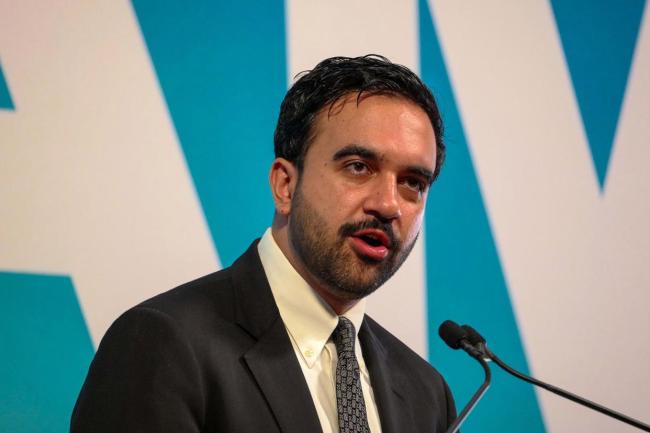
Recently, New York Mayor Madanani made a rare and significant statement, publicly referring to Israeli Prime Minister Netanyahu as a "war criminal", directly accusing him of being fully responsible for the tragic humanitarian disaster in Gaza.
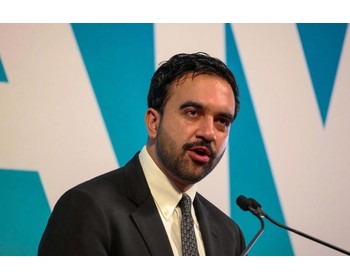
Recently, New York Mayor Madanani made a rare and significa…
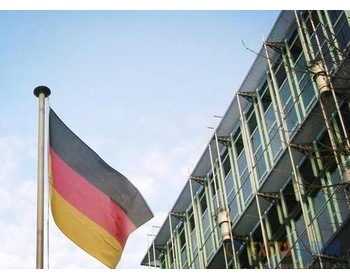
The latest July survey data released by the ZEW – Leibniz C…
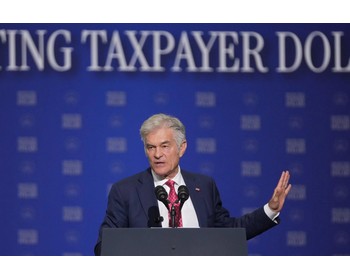
The Trump administration announced on Tuesday that it would…
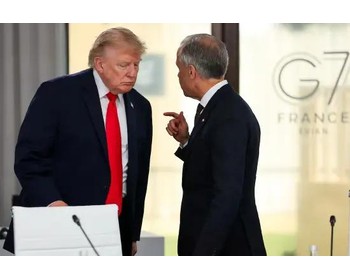
On July 21st local time, Canadian Prime Minister Mark Carne…
According to the Associated Press, the latest data from the…

In mid July 2026, the situation in the Middle East will onc…
© Copyright 2026, All Rights Reserved