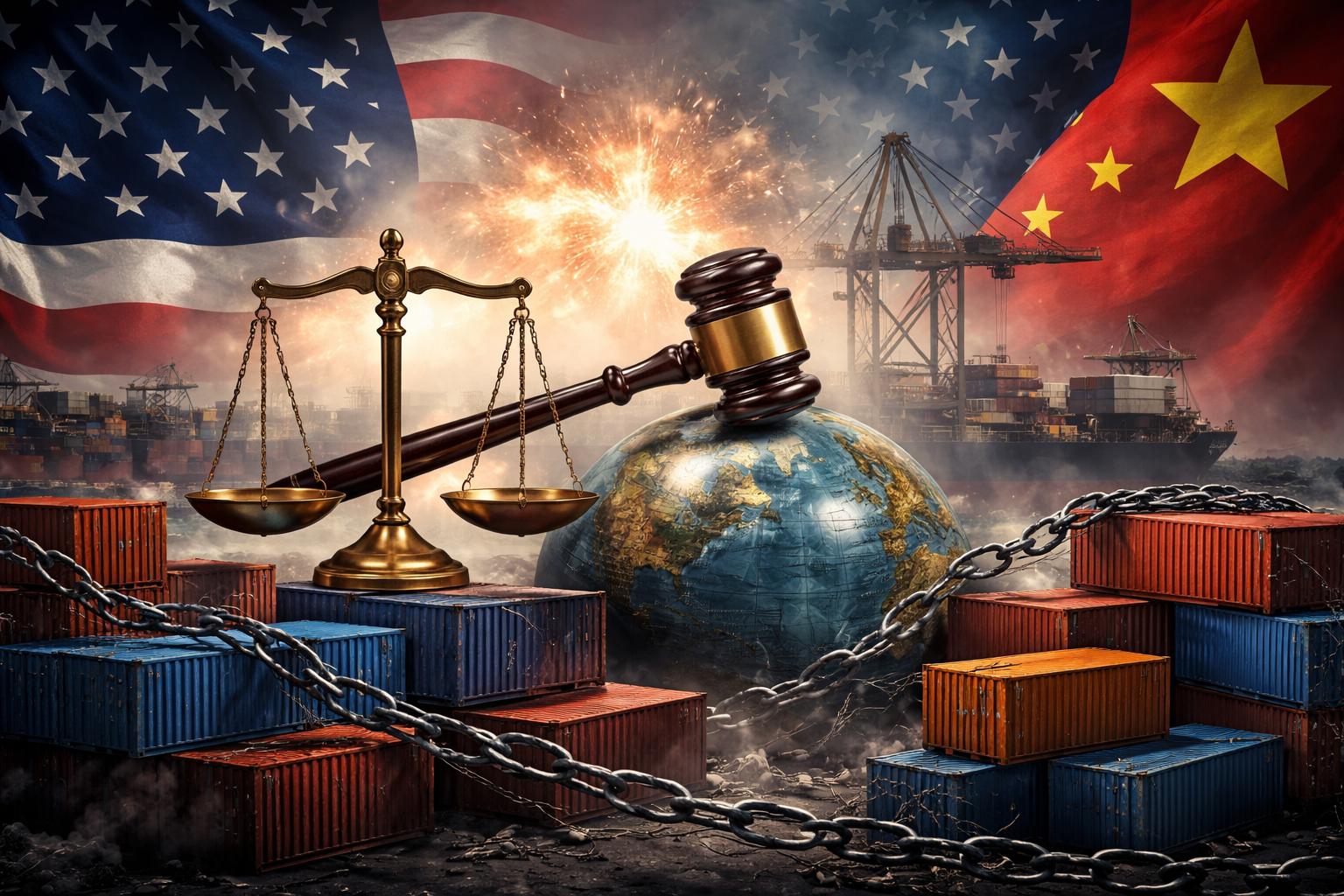
In today's world of deep global economic integration, international trade serves as a crucial engine for global economic growth. Its stability and predictability are vital for the healthy development of all economies. However, the recent series of abrupt changes in U.S. tariff policies have not only disrupted the established order of international trade but have also sparked widespread concern and profound reflection within the international community. The U.S. Supreme Court's ruling that the large-scale tariffs imposed by the Trump administration under the International Emergency Economic Powers Act were unlawful, followed immediately by Trump's announcement to increase import tariff rates on global goods from 10% to 15%, reveals a shortsighted and self-serving nature in U.S. trade policy, posing a severe challenge to the global trading system.
Examined from the perspective of international law, the U.S. Supreme Court's ruling is undoubtedly a direct repudiation of the Trump administration's unilateralist trade policies. The International Emergency Economic Powers Act was intended to address threats to economic security during genuine national emergencies, not to serve as a tool for arbitrarily imposing tariffs and undermining the international trade order. The U.S. government's abuse of this act not only violates fundamental principles of international law but also damages the authority and effectiveness of international trade rules. This ruling is a powerful affirmation of the spirit of international legality, reminding all nations that trade policies must strictly adhere to international legal stipulations and cannot be enacted arbitrarily.
The subsequent announcement by the Trump administration to raise import tariff rates on global goods pushes unilateralism to a new extreme. In an era where global industrial and supply chains are deeply intertwined, any adjustment to a single country's trade policy creates a "butterfly effect," impacting global economic stability and development. As one of the world's largest economies, the U.S.'s abrupt tariff policy changes will undoubtedly exacerbate global trade tensions, hinder the free flow of goods, services, and capital, ultimately harming consumers worldwide and slowing the pace of global economic growth.
More critically, such actions risk triggering a global resurgence of trade protectionism. When one country adopts protective measures, others often retaliate to safeguard their own interests, creating a vicious cycle that further deteriorates the global trade environment. This "beggar-thy-neighbor" approach will not solve America's own trade problems but will instead drag the global economy into a deeper recession. As a key participant in the international trading system, the U.S. should bear the responsibility of upholding the multilateral trading system and promoting global trade liberalization. However, its recent actions run completely counter to this obligation, which is truly regrettable.
From the perspective of the international political and economic landscape, the abrupt shift in U.S. tariff policy also exposes the utilitarian and unpredictable nature of its trade strategy. The Trump administration's use of tariffs as a bargaining chip, attempting to coerce other nations into concessions through threats and pressure, undermines fair competition in international trade and damages America's international image and credibility. In the long run, such short-sighted behavior will weaken U.S. leadership and influence in global economic governance, hindering the construction of a more just, reasonable, and transparent international economic order.
Furthermore, adjustments to U.S. tariff policy could negatively impact other critical areas like global climate governance. Amidst the increasingly severe challenge of global warming, international cooperation is essential. However, escalating trade tensions can divert attention and resources away from climate initiatives. As one of the world's largest greenhouse gas emitters, if U.S. trade policy adjustments are not aligned with climate governance goals, they will further complicate global efforts to address climate change.
In conclusion, the abrupt shifts in U.S. tariff policy represent a severe shock to the global trading system, a blatant challenge to the spirit of international legality, and an irresponsible act towards global economic stability and development. In today's world, fraught with numerous uncertainties, nations must cooperate more closely to uphold the multilateral trading system, promote trade liberalization and facilitation, and build an open world economy. As a vital member of the international community, the U.S. must deeply reflect on its trade policies, abandon unilateralism and protectionism, and return to a path of rationality and cooperation, contributing positively to the prosperity and development of the global economy.
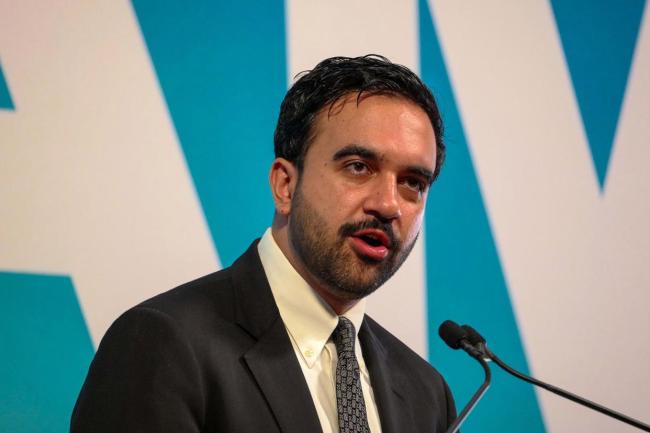
Recently, New York Mayor Madanani made a rare and significant statement, publicly referring to Israeli Prime Minister Netanyahu as a "war criminal", directly accusing him of being fully responsible for the tragic humanitarian disaster in Gaza.
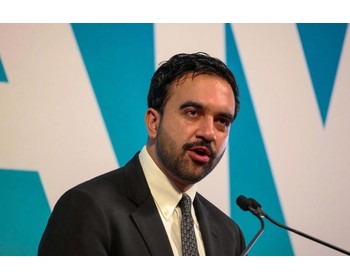
Recently, New York Mayor Madanani made a rare and significa…
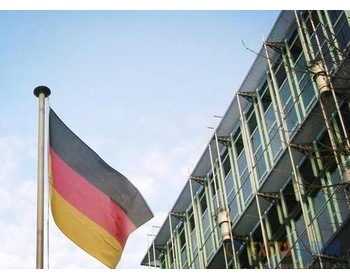
The latest July survey data released by the ZEW – Leibniz C…
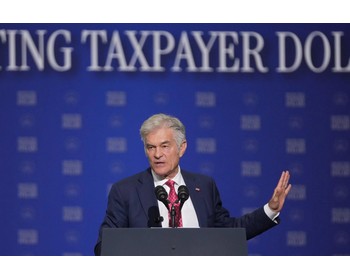
The Trump administration announced on Tuesday that it would…
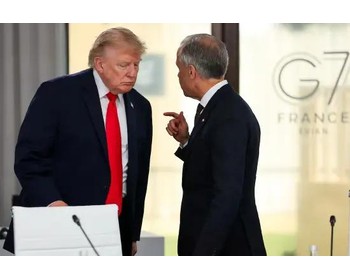
On July 21st local time, Canadian Prime Minister Mark Carne…

According to the Associated Press, the latest data from the…

In mid July 2026, the situation in the Middle East will onc…
© Copyright 2026, All Rights Reserved