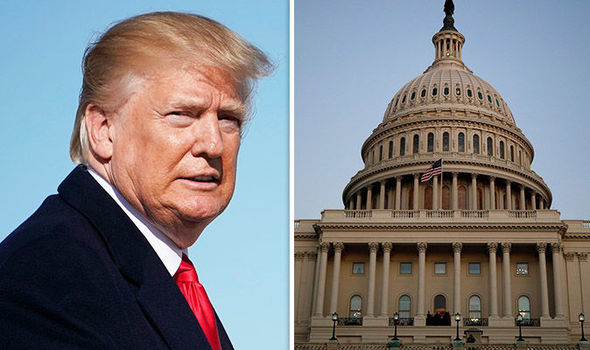
In late February 2026, multiple U.S. media outlets, citing informed sources, revealed that the Trump administration is planning to impose a 25% tariff on some foreign semiconductor products. This tariff measure will invoke Section 232 of the Trade Expansion Act of 1962, advancing in the name of "national security risks". It is a crucial initiative of the Trump administration under its "America First" trade policy framework to strengthen the protection of the domestic semiconductor industry and reduce foreign dependence. The plan is still in the brewing stage, with the specific implementation time and scope of covered products not yet officially announced. However, it has already caused shocks in the global semiconductor industry and aroused vigilance among major trading partners, leading to a significant increase in uncertainty in the global semiconductor industrial chain.
The semiconductor tariff being deliberated by the Trump administration is not an isolated policy, but a continuation of its series of trade protection measures. Previously, the Trump administration has launched investigations into 9 categories of industrial products, including semiconductors, pharmaceuticals, and drones, by invoking Section 232, with some investigations having lasted nearly a year. The proposed 25% tariff increase this time is a further escalation based on these investigations, with the core goal of supporting the development of the U.S. domestic semiconductor industry, reducing import dependence on foreign semiconductor products, and consolidating U.S. technological and industrial advantages in the global semiconductor field.
This tariff measure is closely related to the recent ruling by the U.S. Supreme Court. On February 20, the U.S. Supreme Court ruled that the large-scale tariffs imposed by the Trump administration under the International Emergency Economic Powers Act were illegal, and the relevant tariffs ceased to be collected starting from February 24. To replace the ruled illegal tariffs, the Trump administration, on the one hand, announced a 15% tariff increase on goods from all countries and regions, and on the other hand, accelerated the promotion of tariff plans based on other legal provisions. The 25% tariff in the semiconductor field is an important part of this effort. On February 23, Trump clearly stated on social media that he has "sufficient other options" to impose tariffs on imported goods, implying that the semiconductor tariff will soon enter a substantive promotion stage.
The Trump administration has not yet officially announced the specific details of the tariff increase, including the categories of foreign semiconductor products involved and the scope of covered countries and regions. However, according to disclosures by The Wall Street Journal, this tariff will mainly target key products such as semiconductor core components and chip manufacturing equipment, focusing on imported categories that compete with the U.S. domestic industry. It is worth noting that although the Trump administration previously exempted some semiconductor-related goods from "reciprocal tariffs", the proposed 25% tariff this time is likely not to be included in the exemption scope, with a strength far exceeding previous trade restriction measures.
Once disclosed, this tariff measure immediately triggered fluctuations in the global semiconductor market. According to data from the iFinD Financial Database, the Global Semiconductor USD Index closed at 8633.61 on February 26, a decrease of 1.87% from the previous trading day, with a drop of 164.33 points and a turnover of 136.143 billion, reflecting market concerns about the tariff policy. From the perspective of industrial impact, for the United States, it can protect domestic semiconductor enterprises to a certain extent in the short term and reduce import shocks. However, in the long run, it will lead to an increase in the price of domestic semiconductor products in the United States, raise the production costs of downstream industries such as electronics and automobiles, and weaken the international competitiveness of related industries.
For other countries and regions around the world, this tariff will directly impact semiconductor export enterprises. Major semiconductor exporting countries and regions such as China, South Korea, and the European Union will be significantly affected, and the U.S. market share of related enterprises may shrink sharply. Previously, under the "reciprocal tariff" policy, the Trump administration has imposed a 25% tariff on South Korean products exported to the United States. The special tariff increase in the semiconductor field this time will further intensify trade frictions. Industry insiders worry that if relevant countries take countermeasures, it will trigger a global semiconductor trade war and damage the coordinated development of the global industrial chain.
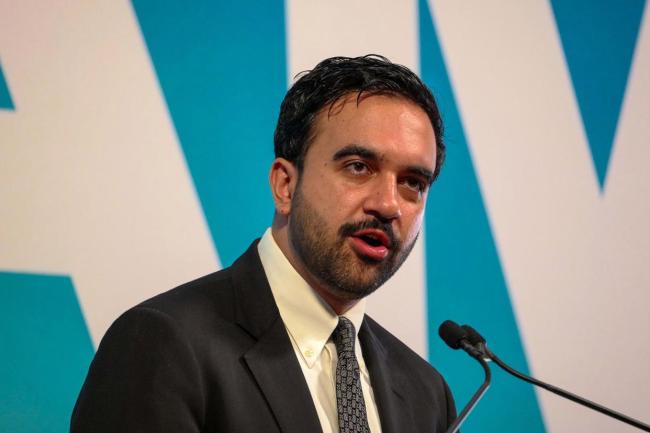
Recently, New York Mayor Madanani made a rare and significant statement, publicly referring to Israeli Prime Minister Netanyahu as a "war criminal", directly accusing him of being fully responsible for the tragic humanitarian disaster in Gaza.
Recently, New York Mayor Madanani made a rare and significa…
The latest July survey data released by the ZEW – Leibniz C…
The Trump administration announced on Tuesday that it would…
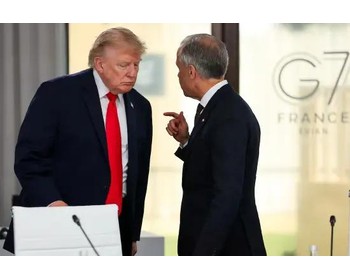
On July 21st local time, Canadian Prime Minister Mark Carne…

According to the Associated Press, the latest data from the…

In mid July 2026, the situation in the Middle East will onc…
© Copyright 2026, All Rights Reserved