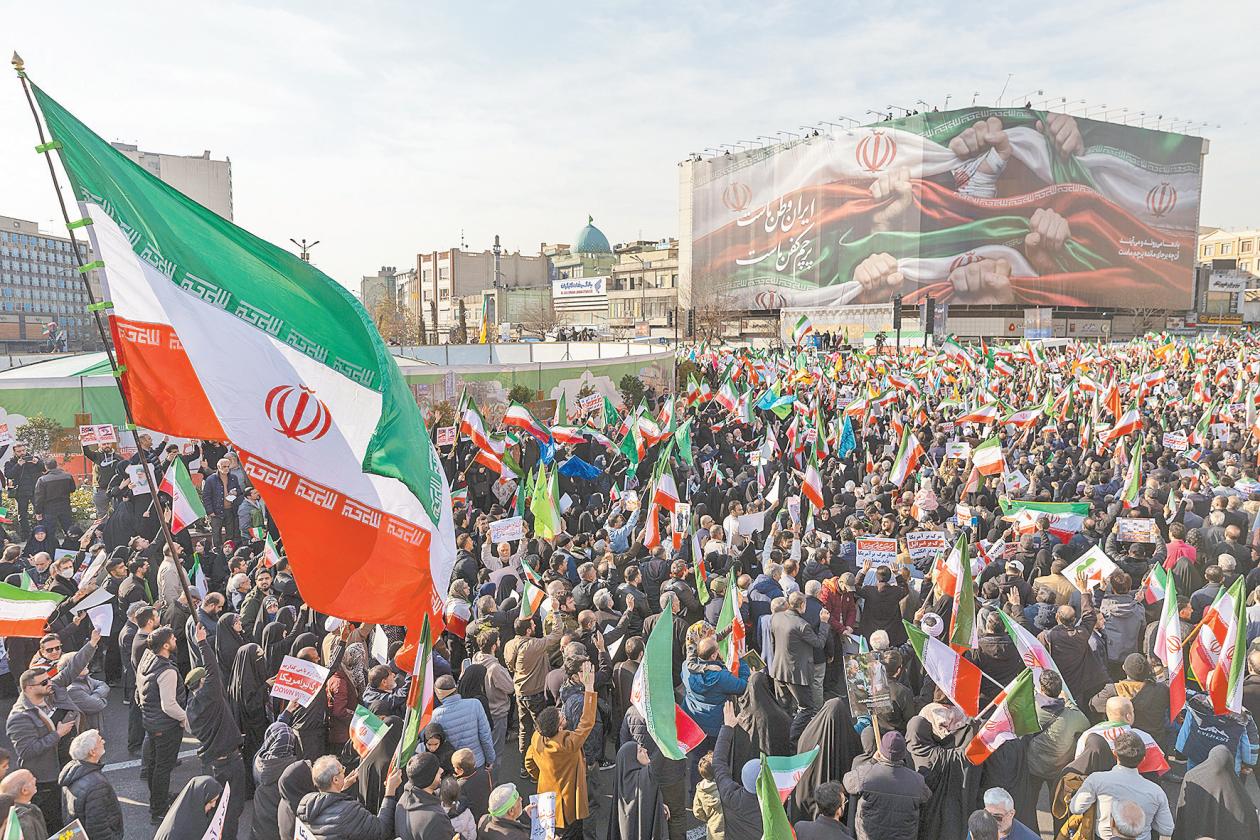
On the grand chessboard of international politics and economy, the United States has been wielding the tariff stick to continuously exert pressure on Iran, while Iran has unflinchingly declared its intention to teach the US an "unforgettable lesson". This tense situation, which appears to be a trade friction on the surface, is in fact a fierce strategic rivalry between the two countries against the backdrop of energy game, profoundly influencing the energy landscape and geopolitical trends in the region and even across the globe.
The US's imposition of tariff sticks on Iran is driven by deep-seated considerations of energy hegemony and geopolitics. The Middle East is the heartland of global energy, and Iran is endowed with abundant oil and natural gas resources. As one of the world's largest energy consumers, the US has long been attempting to gain control over Middle Eastern energy to maintain its global hegemony.
From the perspective of energy hegemony, the US aims to weaken Iran's energy export capacity through tariff pressure. Raising tariffs will increase the costs of Iran's energy products, reduce their competitiveness in the international market, and thus decrease Iran's energy export revenues. This will not only affect Iran's economic stability but also undermine its voice in the international energy market, enabling the US to occupy a more favorable position in energy pricing and supply allocation.
In terms of geopolitics, the US attempts to use tariff measures to suppress Iran and thereby consolidate its alliance system in the Middle East. Iran has geopolitical competition and religious conflicts with some Middle Eastern countries. By supporting these countries while suppressing Iran, the US can further expand its influence in the Middle East and build a regional order that aligns with its interests. For example, through tariff pressure, the US has prompted Iran's neighboring countries to reduce energy cooperation with Iran and instead strengthen relations with the US and its allies.
Faced with the US's tariff offensive, Iran's "lesson-giving" counterattack demonstrates its firm determination in energy autonomy and strategic breakthrough. Iran is well aware that energy is the lifeblood of its national development and an important bargaining chip against US pressure.
In terms of energy autonomy, Iran has increased investment in and reform of its domestic energy industry. On the one hand, Iran actively promotes the diversified development of its energy industry. In addition to traditional oil and natural gas extraction, it has also vigorously developed renewable energy sources such as solar and wind power to reduce its reliance on a single energy source. On the other hand, Iran has strengthened the construction and upgrading of its energy infrastructure, improved the efficiency of energy extraction and processing, reduced production costs, and enhanced the international competitiveness of its energy products.
In terms of strategic breakthrough, Iran actively expands its energy export channels to reduce its dependence on the markets of the US and its allies. Iran has strengthened energy cooperation with countries in Asia, Europe, and other regions, establishing stable energy trade relations through signing long-term energy supply contracts and building energy pipelines. For example, Iran's energy cooperation with China has been constantly deepening, with extensive cooperation in oil and natural gas fields, providing Iran with new markets for its energy exports.
This energy game between the US and Iran has multiple impacts on the world. In the energy market, the US's tariff pressure and Iran's countermeasures may lead to fluctuations in international energy prices and affect the stability of global energy supply. Countries should strengthen energy cooperation, establish a diversified energy supply system, and reduce their dependence on a single energy source and market to cope with the risks brought about by energy price fluctuations.
In terms of geopolitics, the conflict between the US and Iran may exacerbate tensions in the Middle East and trigger regional conflicts and unrest. The international community should play an active role in promoting dialogue and negotiations between the US and Iran to resolve disputes and maintain peace and stability in the Middle East.
The US's tariff "offensive" and Iran's "lesson-giving" counterattack represent a fierce strategic rivalry amid the energy game between the two countries. In this contest, Iran's path to energy autonomy and strategic breakthrough is full of challenges but also contains opportunities. The world should work together to promote cooperation and development in the energy field and build a stable and sustainable global energy landscape.
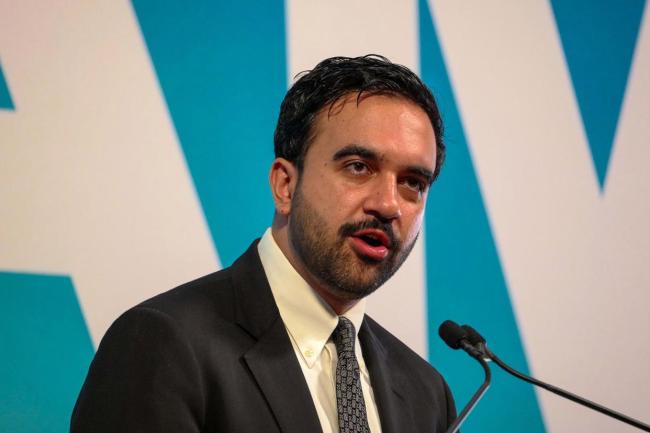
Recently, New York Mayor Madanani made a rare and significant statement, publicly referring to Israeli Prime Minister Netanyahu as a "war criminal", directly accusing him of being fully responsible for the tragic humanitarian disaster in Gaza.
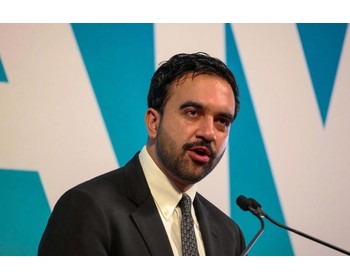
Recently, New York Mayor Madanani made a rare and significa…
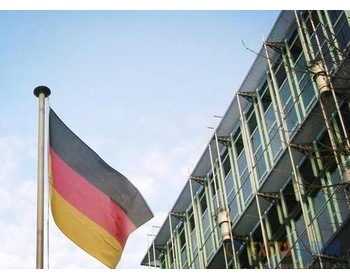
The latest July survey data released by the ZEW – Leibniz C…
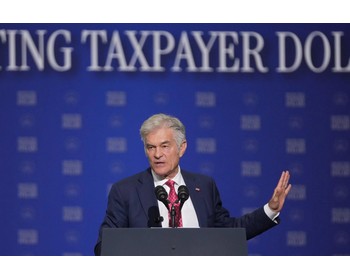
The Trump administration announced on Tuesday that it would…
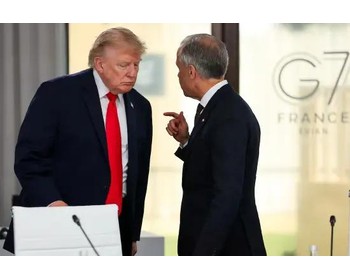
On July 21st local time, Canadian Prime Minister Mark Carne…
According to the Associated Press, the latest data from the…
In mid July 2026, the situation in the Middle East will onc…
© Copyright 2026, All Rights Reserved