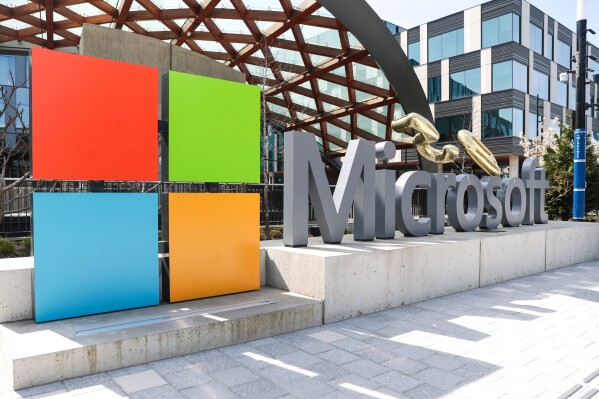
This week, two major tech giants, Microsoft and Meta, simultaneously announced personnel adjustment measures, both focusing on strategic optimization in the AI field. According to the latest reports, Meta announced layoffs of about 8,000 employees, accounting for 10% of its total workforce, and also canceled approximately 6,000 job openings. At the same time, Meta clearly stated that it will continue to increase investment in AI infrastructure, offer high salaries to recruit AI experts, and announce a voluntary buyout plan for U.S. employees. The adjustments of both companies are closely related to their massive investments in the AI sector.
Two major tech giants are simultaneously making personnel adjustments, with the core reason being strategic transformation and the need for cost balance amid the global AI boom. Currently, AI competition in the tech industry is intense. Meta lags behind competitors such as OpenAI and Google in the generative AI track, and needs to streamline operations through layoffs, improve efficiency, and concentrate resources in the AI field to offset the cost pressure brought by AI infrastructure and high-salary expert recruitment. Microsoft introduced a voluntary acquisition plan instead of sudden layoffs. On one hand, this is to avoid losing technical staff and to cope with talent movement pressures caused by layoffs at peer companies; on the other hand, it is also to streamline teams, save funds, and ensure continued massive investment in AI data centers, Copilot, and other areas, achieving a balance between costs and AI deployment, in line with the overall industry trend of rapidly increasing AI investment.
The personnel adjustments by the two major tech giants have multifaceted impacts on the industry, the companies themselves, and the market. These adjustments will further highlight the trend of strategic transformation in the tech industry under the AI boom, driving industry resources to concentrate in the AI field, while also potentially promoting talent mobility within the industry, especially intensifying competition for high-end AI talent. However, it should be noted that while Meta's strategy adjustment of layoffs can streamline costs and focus on AI, it may affect employee morale in the short term and raise investor concerns about cost control. Microsoft's voluntary acquisition plan is relatively moderate, as it can optimize teams while reducing talent loss, helping to smoothly advance its AI strategy, and its continued investment in AI data centers will further consolidate its industry advantage.
In order to face the opportunities and challenges brought by personnel adjustments and AI strategic transformation, all parties should take corresponding measures. For Meta, it is necessary to properly handle post-layoff affairs, ensure the placement of laid-off employees, stabilize the morale of remaining employees, and reasonably plan AI investment for 2026, balancing costs and returns, focusing on core AI research and development, addressing competitive disadvantages, and reducing resource investment in non-core businesses. Meanwhile, Microsoft should refine the details of the voluntary acquisition plan to ensure it is fair and reasonable, communicate and arrange appropriately for eligible employees, and continue to advance AI data center construction and technology development, fully leveraging AI infrastructure advantages to consolidate its market position. Laid-off employees should actively improve their skills, especially AI-related skills, adapt to industry transformation trends, and seek new career opportunities. Relevant companies should rationally regard the balance between AI investment and personnel optimization, avoid blind layoffs or excessive investment, and strengthen technical cooperation and talent cultivation in the AI field. Investors should rationally view the strategic adjustments of tech giants, focus on the long-term returns of their AI investments, and allocate assets reasonably.
In summary, Meta's layoff of 8,000 employees and Microsoft's launch of a voluntary acquisition plan are important measures by the two tech giants to optimize personnel structure, focus on AI strategy, and balance costs and investments in the context of intense AI competition in the current tech industry. Although they adopt different methods of personnel adjustment, their core goal is the same: to tilt resources toward the AI field, address industry transformation challenges, and enhance core competitiveness. In the future, whether the two giants can achieve a balance of cost and efficiency through personnel optimization and efficiently convert resources into a competitive advantage in the AI field will be key to their long-term development and will further impact the landscape of the global tech industry.
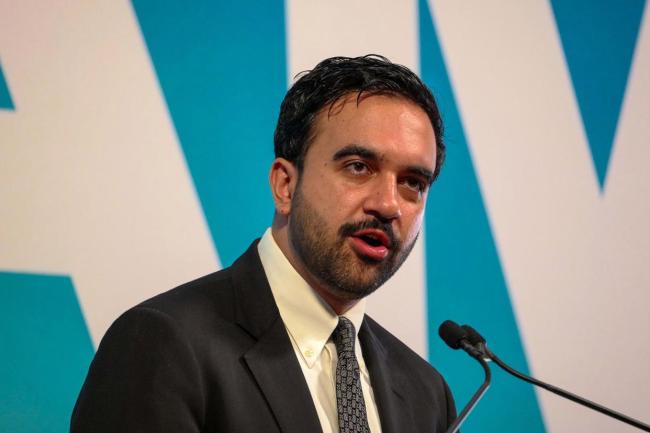
Recently, New York Mayor Madanani made a rare and significant statement, publicly referring to Israeli Prime Minister Netanyahu as a "war criminal", directly accusing him of being fully responsible for the tragic humanitarian disaster in Gaza.
Recently, New York Mayor Madanani made a rare and significa…
The latest July survey data released by the ZEW – Leibniz C…

The Trump administration announced on Tuesday that it would…

On July 21st local time, Canadian Prime Minister Mark Carne…
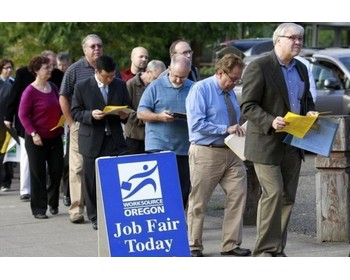
According to the Associated Press, the latest data from the…

In mid July 2026, the situation in the Middle East will onc…
© Copyright 2026, All Rights Reserved