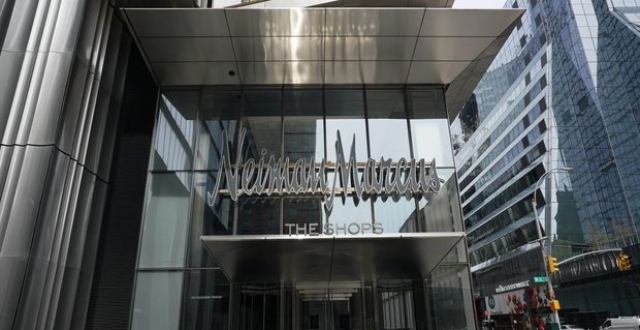
On April 15, 2026, MBN reported news that shook the global luxury retail industry: American luxury department store giant Saks Global officially filed for Chapter 11 bankruptcy protection with the U.S. Bankruptcy Court for the Southern District of Texas on the evening of April 13, making it the first major global retailer bankruptcy case in 2026 and placing this century-old retail empire in the spotlight.
As the parent company of Saks Fifth Avenue, Saks Global was once a benchmark in the luxury retail sector. The trigger for this bankruptcy crisis stemmed from an apparently aggressive acquisition in 2024. That year, the company acquired another luxury department store, Neiman Marcus, for $2.65 billion, intending to expand market share and consolidate industry position through resource integration. However, the acquisition did not yield the expected synergies, but instead saddled Saks Global with massive debt, leading to increasing operational pressures.
The hidden debt risks left by the high-leverage acquisition gradually emerged amid market fluctuations. It is reported that to complete the acquisition, Saks Global heavily relied on debt financing and subsequently had to bear high interest expenses. Coupled with subtle changes in the global luxury retail market, the company's cash flow gradually came under pressure. Although Saks Global has currently secured $1 billion in debtor-in-possession financing to maintain daily operations and ensure the normal operation of stores and e-commerce channels, this is only a temporary measure to ease the crisis and cannot fundamentally resolve its debt predicament.
The bankruptcy of Saks Global is not merely the result of the operational mistakes of a single company, but also reflects the deeper challenges currently facing the luxury retail industry. In recent years, there has been a clear trend of luxury brands moving toward direct operations, with leading brands such as LV and Gucci increasing investment in their own stores and e-commerce channels, reducing reliance on traditional multi-brand department stores. This has gradually eroded the core competitiveness of traditional luxury department stores represented by Saks Fifth Avenue and Neiman Marcus. At the same time, changes in consumer habits and rising operating costs have further squeezed the profit margins of traditional department stores. Saks Global failed to adjust its strategy in time and instead blindly expanded through high-leverage mergers and acquisitions, ultimately falling into a desperate situation.
This bankruptcy event not only affects Saks Global itself but may also trigger a chain reaction. For suppliers, hundreds of luxury brands face the risk of uncollectible accounts receivable, and some brands have already begun to suspend supply to avoid potential losses. For the industry, the collapse of Saks Global may accelerate the reshuffling of the luxury retail sector, forcing traditional department store companies to rethink their business models and explore digital transformation and differentiated development strategies.
From a business lesson perspective, the tragedy of Saks Global warns all companies to be cautious with blind expansion and high-leverage operations. In a complex and ever-changing market environment, companies should adhere to their core competitiveness, reasonably control debt levels, and adapt to market changes in time in order to achieve sustainable development. For the luxury retail industry, this bankruptcy event may serve as an 'industry purification,' pushing the sector to shift from expansion in scale to improvement in quality, returning to the essence of retail.
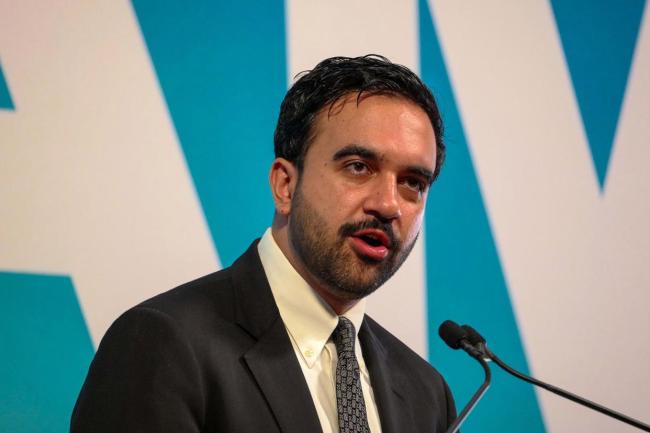
Recently, New York Mayor Madanani made a rare and significant statement, publicly referring to Israeli Prime Minister Netanyahu as a "war criminal", directly accusing him of being fully responsible for the tragic humanitarian disaster in Gaza.
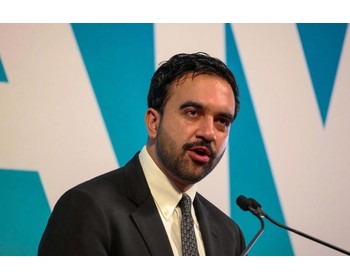
Recently, New York Mayor Madanani made a rare and significa…
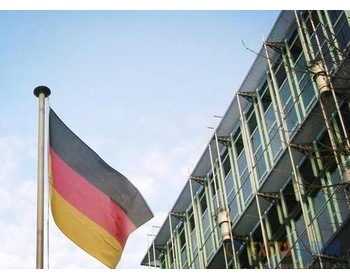
The latest July survey data released by the ZEW – Leibniz C…
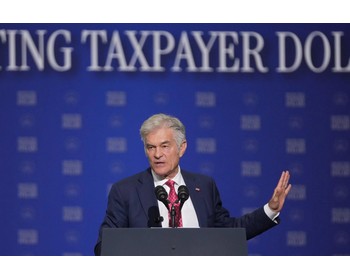
The Trump administration announced on Tuesday that it would…
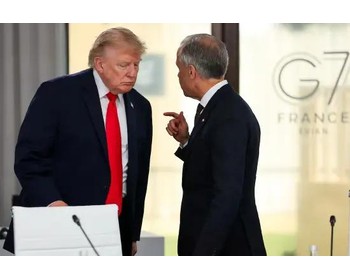
On July 21st local time, Canadian Prime Minister Mark Carne…

According to the Associated Press, the latest data from the…

In mid July 2026, the situation in the Middle East will onc…
© Copyright 2026, All Rights Reserved