In early March local time, the United States and Venezuela signed a key mineral licensing agreement, and 100 million US dollars worth of Venezuelan gold was officially transported to the United States, marking a significant event in the resumption of resource cooperation between the two countries. This gold was not merely a simple trade of precious metals; it was a key piece in the US's move to seize control of Venezuela's mineral territory, strengthen its strategic resource supply chain, and reshape the commercial order in Latin America.
From a fundamental perspective of resources, Venezuela is one of the world's core reserve countries for gold, with 792 tons of proven gold reserves, ranking fourth globally. The central bank holds 161 tons of gold reserves, ranking first in Latin America. The overall valuation of its gold resources exceeds 500 billion US dollars, and it also has key minerals such as bauxite and coal, forming a scarce resource combination advantage. This 100 million US dollar gold export is the first deal to be implemented after the US lifted sanctions on Venezuela's mining company and opened gold trading licenses. The transaction terms clearly stipulate that the funds be deposited in the designated account of the United States and the contract be subject to US law. Essentially, the US is using its rule-making authority to secure resource benefits and incorporate Venezuelan gold into its industrial and commercial circulation system.
For the US business and industrial sector, this gold import has three core values. Firstly, it serves as a strategic resource replenishment, as gold has both industrial raw material and hedging asset attributes, which can directly supply core areas such as defense, electronics, and high-end manufacturing, filling the gap in key mineral supply chains. Secondly, it links energy and technology strategies, as Venezuela's coal can support power production, and bauxite ensures the supply of aluminum for military and consumer goods, and after the opening of gold trading, US mining and oil companies have formed a group to return to Venezuela, aiming to integrate "gold + oil + key minerals" into an integrated resource layout, providing underlying resource support for AI industries and new energy chains, and strengthening the resource for technological competition with China. Thirdly, it involves financial and market manipulation. In the context of global central banks continuously purchasing gold and the weakening credit of the US dollar, controlling the supply of Venezuelan gold can stabilize the country's precious metal reserves and indirectly influence the trend of international gold prices, consolidating the US's dominance in pricing of gold and dollars.
From the perspective of the global precious metal market, this transaction has a limited short-term impact and a profound long-term influence. Venezuela's gold output in 2024 was 31 tons, accounting for a relatively low share in global supply. The 100 million US dollars of gold flowing into the US market did not cause a significant fluctuation in spot gold prices. However, the signals released by this event have great commercial significance: The US has resumed the predatory resource cooperation model in Latin America, which will disrupt the global gold supply pattern, and the market shares of traditional gold supply countries such as Canada and Australia will face pressure. The resource sovereignty risks of emerging market countries will further increase. At the same time, the normalization of US-Venezuela resource cooperation will promote the re-pricing of geopolitical risks in Latin America by risk-averse funds, and the hedging premium of gold will gradually converge. The valuation of assets of resource countries tied to the US will undergo a structural adjustment.
The commercial game between the US and Venezuela shows an unequal pattern of "resources for survival". After more than two decades of sanctions, Venezuela's economy is on the verge of collapse, its oil and gold exports have been blocked, and its foreign exchange reserves have dried up. This opening of mineral extraction and gold export is a forced exchange of resource sovereignty for economic breathing space. The Venezuelan parliament quickly advanced the mining bill, granting foreign capital mining privileges. Essentially, it is to clear obstacles for the entry of US capital. It seems to usher in an investment boom, but in fact, the gold and mineral revenues are intercepted by US capital and designated accounts, and the local people cannot share the resource dividends. Meanwhile, the US acquires stable resource supply at a very low political and economic cost, and re-enters the commercial system of Latin America, curbing the layout of other countries in the Latin American resource market, achieving dual gains of geopolitical and commercial benefits.
This event also reflects the hegemonic trend of global resource commercial rules. The United States used sanctions as a weapon, licensing as a threshold, and laws as a constraint to transform Venezuela's resources into strategic assets for itself, replicating the hegemonic logic of the "petro-dollar" and constructing an additional system of "gold-dollar". For the global commercial market, this case serves as a warning to all resource-rich countries: excessive reliance on a single trading partner and the ceding of resource regulatory rights will eventually lead to the trap of "abundant resources but impoverished economy", and when multinational enterprises layout in Latin America, they need to be vigilant against compliance risks and sovereign default risks under political interference.
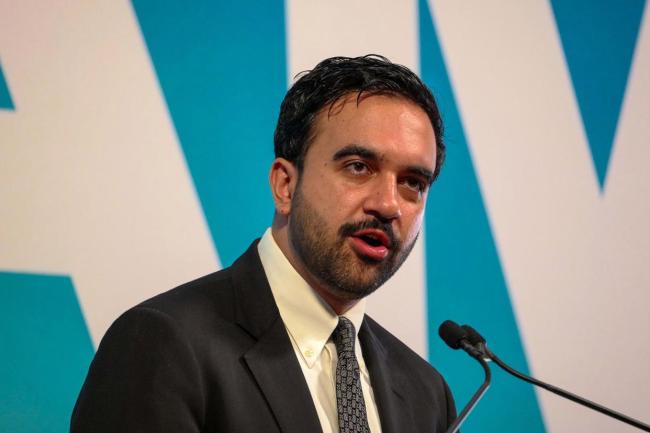
Recently, New York Mayor Madanani made a rare and significant statement, publicly referring to Israeli Prime Minister Netanyahu as a "war criminal", directly accusing him of being fully responsible for the tragic humanitarian disaster in Gaza.

Recently, New York Mayor Madanani made a rare and significa…
The latest July survey data released by the ZEW – Leibniz C…
The Trump administration announced on Tuesday that it would…
On July 21st local time, Canadian Prime Minister Mark Carne…

According to the Associated Press, the latest data from the…

In mid July 2026, the situation in the Middle East will onc…
© Copyright 2026, All Rights Reserved