As a global energy core hub and a gathering place of key shipping channels, the unrest in the Middle East has never been a local event. Every time the flames of war ignite there, they will be rapidly transmitted to the global business system through energy, supply chains, and trade networks. Since March 2026, the geopolitical conflicts in the Middle East have been escalating continuously. Energy facilities have been attacked and key shipping lanes have been blocked, directly triggering a sharp increase in global energy prices. This has led to a comprehensive surge in costs across industries such as aviation, shipping, and chemicals. The European energy market has once again fallen into a state of tension. Meanwhile, the new energy sector has unexpectedly seized an opportunity, with the demand for electric vehicles surging in many parts of the world against the trend. A business landscape reshaping driven by geopolitical conflicts is accelerating.
Energy is the core link through which the conflicts in the Middle East spread to the global business system. The Middle East controls over one-third of the world's oil production and nearly half of the global natural gas trade. The Strait of Hormuz also bears the responsibility for transporting 20% of the world's oil and 25% of liquefied natural gas, making it the "throat" of the global energy supply chain. During this conflict, oil and gas facilities in the region were attacked, the safety of key shipping routes increased sharply, and the transportation of oil tankers and LNG ships was significantly restricted, directly pushing international oil prices to rise sharply. Brent crude oil prices once exceeded $110 per barrel, reaching a new high in recent years. The skyrocketing energy prices toppled the cost barriers of global manufacturing and logistics industries, with the aviation and shipping sectors being the first to bear the brunt.
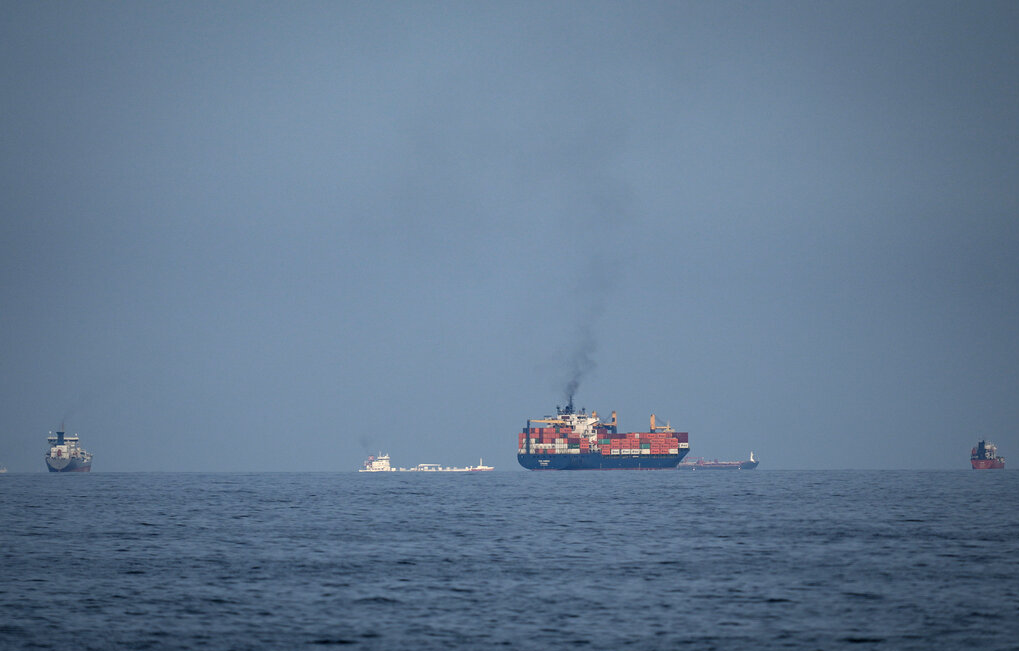
The aviation industry is already in a critical recovery period after the post-pandemic era, with fuel costs typically accounting for more than 30% of its total operating costs. The significant increase in oil prices directly compressed the industry's profit margins. Many global airlines have raised fuel surcharges, and some Middle East routes have even been directly suspended. International passenger and cargo prices have risen simultaneously, the cost of high-value and time-sensitive cargo transportation has doubled, and air freight capacity has significantly contracted. The efficiency of global cross-border trade's air logistics has declined significantly. The shipping industry faced even more severe challenges. The traffic volume through the Strait of Hormuz dropped sharply, and leading companies such as Maersk and Mediterranean Shipping Company suspended relevant routes, forcing ships to take alternative routes around the Cape of Good Hope, increasing the voyage by 10-14 days. Not only did the transportation time increase significantly, but fuel costs, insurance fees also soared, and shipping companies began to charge war surcharges. The price of the Asia-Europe route soared by more than 40% in the short term. The increase in logistics costs ultimately cascaded to the end-users, putting pressure on global consumer goods and industrial product prices, and the operational pressure on cross-border trade enterprises has sharply increased.
The chemical industry is trapped in a double squeeze of raw material and transportation costs. Oil and natural gas are the core raw materials for the chemical industry, and the Middle East is an important exporter of petrochemical products globally. The conflict led to the shutdown of petrochemical plants in the region and the disruption of raw material supply, coupled with the soaring transportation costs, global supply of chemical products became tight and prices rose. Major chemical manufacturing countries such as Germany and Japan raised their product prices, and the costs in downstream sectors such as plastics, fibers, and fertilizers also rose simultaneously. The profit margins of upstream and downstream enterprises in the industry were significantly compressed, some small and medium-sized enterprises even faced the risk of停产, and the stability of the global chemical supply chain was severely impacted.
The European natural gas market became one of the most vulnerable links in this conflict. Compared to oil, liquefied natural gas lacks sufficient strategic reserves as a buffer, and after the supply from the Middle East LNG was blocked, European natural gas prices doubled in a short period, and the TTF natural gas futures price soared to a multi-year high. After the 2022 Russia-Ukraine conflict, Europe was already in a period of pain during energy structure transformation and supply reconfiguration. Its reliance on LNG from the Middle East continued to rise. This price surge once again pushed up the costs of industrial gas and residential gas for Europe, intensifying the production pressure on manufacturing enterprises, further reducing the competitiveness of energy-intensive industries, and significantly slowing down the economic recovery in Europe. Inflation pressure also rose again. During crises, there often lies an opportunity. The intense upheaval in the traditional energy industry unexpectedly became a catalyst for the accelerated development of the new energy industry, leading to an explosive growth in demand for electric vehicles. High oil prices and the uncertainty in energy supply have made global consumers and enterprises increasingly aware of the urgency of energy transition. The sales of electric vehicles in regions such as Australia and Southeast Asia have soared, and the market penetration rate has rapidly increased. This change not only alleviated the pressure on global energy demand but also pushed the global automotive industry's electrification transformation from policy-driven to market-driven. The global status of the new energy industry chain has further improved, and the process of the global energy consumption structure's green transformation has significantly accelerated.
The commercial impact brought about by the conflict in the Middle East once again confirmed the high degree of interconnection and fragility of the global economy. The uncertainty in geopolitics has disrupted the originally stable business order, and rising costs and supply chain disruptions have become the core challenges faced by global business in the short term. However, it has also forced global industries to accelerate their transformation towards low-carbon, diversified, and high-resilience directions.
Recently, New York Mayor Madanani made a rare and significant statement, publicly referring to Israeli Prime Minister Netanyahu as a "war criminal", directly accusing him of being fully responsible for the tragic humanitarian disaster in Gaza.
Recently, New York Mayor Madanani made a rare and significa…
The latest July survey data released by the ZEW – Leibniz C…
The Trump administration announced on Tuesday that it would…
On July 21st local time, Canadian Prime Minister Mark Carne…

According to the Associated Press, the latest data from the…

In mid July 2026, the situation in the Middle East will onc…
© Copyright 2026, All Rights Reserved