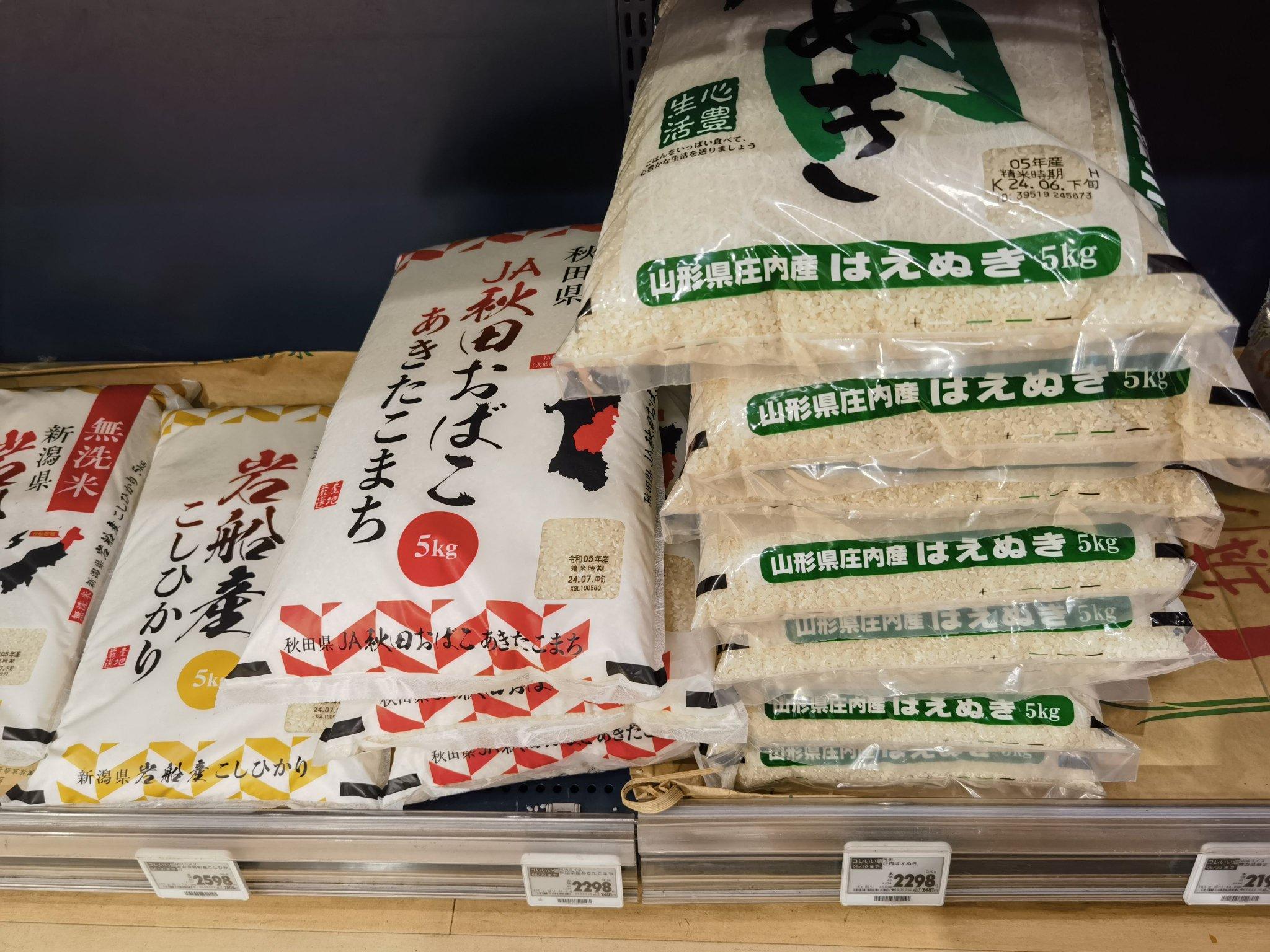
Recently, according to the report of the Moroccan Ministry of Industry and Trade, in response to the applications of two domestic producers, MLAH MECHICH ALAMI and MUNDIRIZ, Morocco has decided to launch a safeguard measure investigation into imported rice starting from April 13, 2026. This move not only concerns the supply and demand balance of the domestic rice market in Morocco, but also casts a profound impact on the international grain trade chessboard.
This move by Morocco first exposes the vulnerability of its domestic rice production enterprises in the face of international competition. The initiation of safeguard measure investigations often means that domestic industries have felt a strong impact from imported products or anticipate potential damages in the future. In this context, the two rice producers in Morocco chose to seek help from the government, attempting to defend against external competition through trade protection measures. This reflects that they may not yet have formed sufficient competitive advantages in terms of cost control, product quality, and brand influence to independently cope with the changes in the international market.
Further analysis shows that Morocco's initiation of safeguard measure investigations into imported rice may trigger a series of chain reactions. For countries exporting rice to Morocco, this is undoubtedly a negative signal. Especially for those countries that regard Morocco as an important export market, they may face the risks of a decline in export volume and a reduction in market share. Moreover, the implementation of safeguard measures often comes with increased tariffs or quota restrictions, which will directly increase the cost of imported rice and potentially push up the domestic rice market price in Morocco, affecting consumers' purchasing power and living costs.
Morocco's this move may trigger countermeasures from its trading partners. In the global trading system, the trade policies of countries often influence and restrict each other. Once Morocco implements safeguard measures against imported rice, other countries may consider this as the rise of trade protectionism, and thus take corresponding retaliatory measures, such as increasing tariffs on Moroccan other export products, setting non-tariff barriers, etc. This "tit-for-tat" trade war will ultimately harm the interests of all parties involved and lead to the deterioration of the global trading environment.
The choice of Moroccan rice producers to respond to competition through government intervention rather than improving their own competitiveness to win the market is questionable. In today's increasingly globalized world, if enterprises want to stand firm in the fierce market competition, they must rely on internal driving forces such as innovation, improving efficiency, optimizing management, and enhancing brand value. Although the government can provide policy support and protection to a certain extent, those enterprises that rely heavily on external protection are often unable to form true core competitiveness. Once the protection measures are cancelled or weakened, they may face the risk of being eliminated by the market.
Furthermore, Morocco's initiation of safeguard measure investigations into imported rice may have a profound impact on its domestic agricultural industrial structure. Rice, as one of Morocco's important food crops, involves the interests of numerous farmers and enterprises in the production, processing, and sales stages. Once the government takes trade protection measures, it may distort market signals, leading to resource misallocation, and causing resources that should be optimized through market competition to be artificially guided to inefficient or ineffective areas. This is not only detrimental to the long-term development of Morocco's agricultural industry but may also exacerbate the structural contradictions in the domestic agricultural sector.
In conclusion, although Morocco's initiation of safeguard measure investigations into imported rice may provide certain protection for its domestic rice producers in the short term, from a long-term perspective, it may trigger a series of negative effects that are not conducive to business development and international trade. In the context of globalization, countries should pay more attention to resolving trade disputes through cooperation and dialogue, and jointly maintain an open, inclusive, fair, and transparent international trading environment. For Morocco, it is more advisable to encourage domestic rice producers to enhance their competitiveness in order to cope with international competition, rather than relying on the government's trade protection measures.

Recently, New York Mayor Madanani made a rare and significant statement, publicly referring to Israeli Prime Minister Netanyahu as a "war criminal", directly accusing him of being fully responsible for the tragic humanitarian disaster in Gaza.

Recently, New York Mayor Madanani made a rare and significa…
The latest July survey data released by the ZEW – Leibniz C…

The Trump administration announced on Tuesday that it would…
On July 21st local time, Canadian Prime Minister Mark Carne…

According to the Associated Press, the latest data from the…

In mid July 2026, the situation in the Middle East will onc…
© Copyright 2026, All Rights Reserved