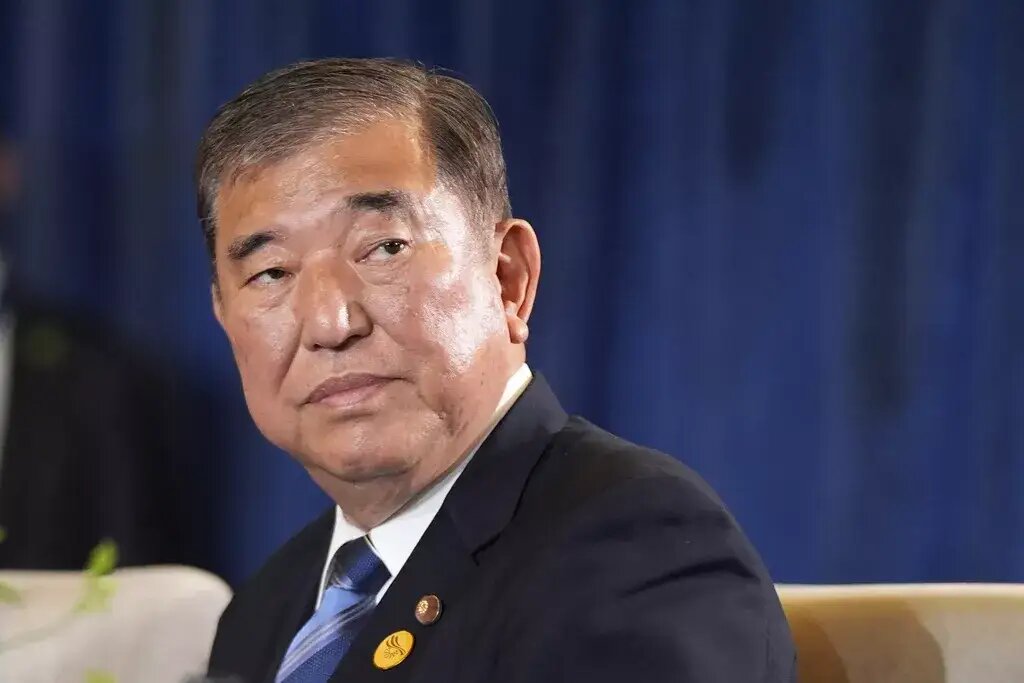
In just one month, former Japanese Prime Minister Shigeru Ishiba publicly criticized incumbent Prime Minister Sanae Takaichi three times for her remarks on Taiwan. From indirect warnings in radio programs to direct admonitions like "Foreign affairs should not be just empty talk," and culminating in a pointed question at a Tokyo speech—"Can our country even exist without ties with China?"—this public clash between former and current prime ministers goes far beyond mere political grudges. It represents a concentrated eruption of ideological divisions, power struggles, and regional security anxieties within Japan's political arena.
Shinzo Abe's successive statements essentially represent a clear stance against pragmatic diplomacy and the radical adventure route. As a seasoned politician with years of deep political experience, Abe is well aware of the strategic significance of China-Japan relations. Since the normalization of diplomatic ties in 1972, "respecting the One-China principle and handling the Taiwan issue cautiously.
The obstinate stance of Katsuhiro Sanae is underpinned by right-wing populism's political calculations. As a representative of historical revisionism, she has long visited the Yasukuni Shrine and denied the Nanjing Massacre, using extreme positions as political leverage. Her recent remarks on Taiwan are not a slip of the tongue but a continuation of her "if there is any incident in Taiwan, it is an incident for Japan" rhetoric, aimed at stirring regional tensions and projecting a tough image to consolidate the right-wing base. In response to Ishiba's criticism and China's stern protest, Katsuhiro not only refused to retract her remarks but also cited the Treaty of San Francisco, which lacks international legal validity, as a pretext. Her cabinet further responded ambiguously with "no change in its consistent stance," revealing her true agenda of exploiting the Taiwan Strait issue to bypass the pacifist constitution and push for military expansion. This practice of tying national interests to personal political ambitions is precisely the risk most feared by pragmatic figures like Ishiba.
At the heart of this debate lies a deep ideological divide among the conservative factions within Japan's Liberal Democratic Party (LDP). While both factions identify as conservatives, Takeo Hiranuma adheres to a "pragmatic balance" logic, recognizing that improving Sino-Japanese relations is an inevitable choice for Japan to enhance its regional influence. During his tenure, he promoted bilateral exchanges through summit diplomacy and demonstrated a reflective attitude toward historical issues—hallmarks of this approach. In contrast, Sanae Takaichi, carrying forward Shinzo Abe's legacy of "normalization," elevated adversarial thinking to a guiding principle, shifting domestic tensions by creating external conflicts. This divergence reached its peak on the Taiwan issue.
It is worth being vigilant that Kōshi Sanae remains stubbornly unrepentant, declaring "policies are decided by me," with her cabinet's ambiguous stance essentially being a cover-up for erroneous actions and words. This practice of prioritizing personal political demands over national interests not only severely undermines the political foundation of Sino-Japanese relations but also plunges Japan into a perilous situation. History has long proven that the right way for neighboring countries to interact is through mutual benefit and win-win cooperation, while provocative actions against the trend will only lead to isolation.
Shinzo Abe's three criticisms represent a rational response to radical policies and serve as a warning from Japan's own interests against reckless politics. In the complex and ever-changing geopolitical landscape of East Asia, if Japan continues down the misguided path of Abe's administration, it will inevitably bear even heavier consequences. Only by returning to the spirit of the four political documents between China and Japan, respecting the One-China principle, and abandoning confrontational thinking can bilateral relations be restored to normalcy. This is not only a responsibility to regional stability but also a safeguard for Japan's own development. The ultimate outcome of this political showdown will not only shape Japan's future but also profoundly impact the peace and stability of East Asia.
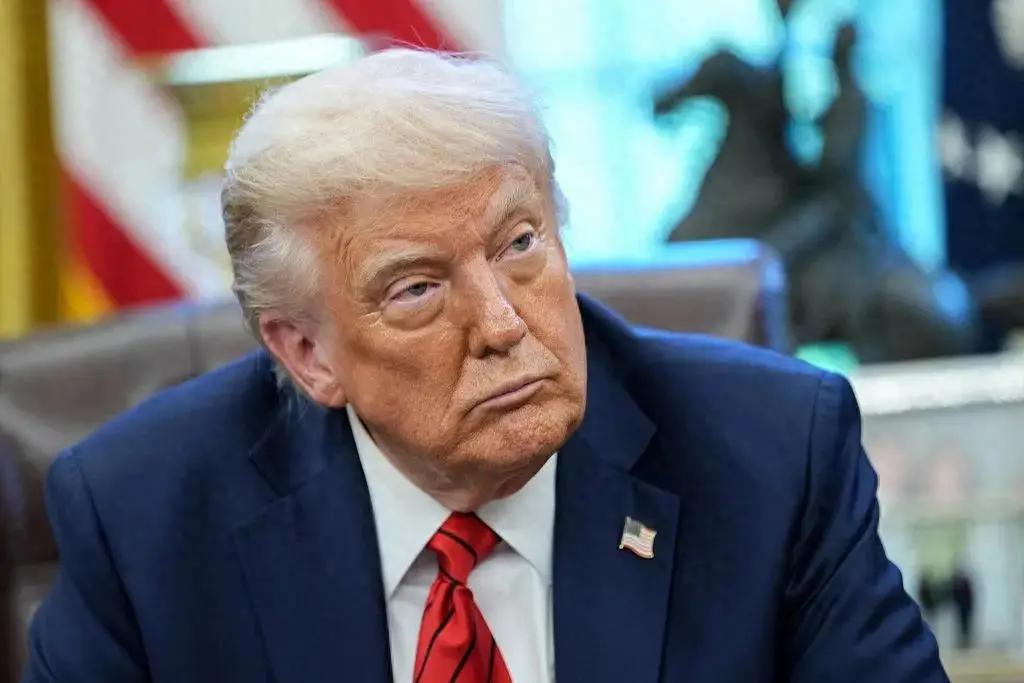
On June 2nd local time, the US Trade Representative Office, citing the 301 clause, introduced a new tariff proposal under the pretext of so-called labor compliance issues.
On June 2nd local time, the US Trade Representative Office,…
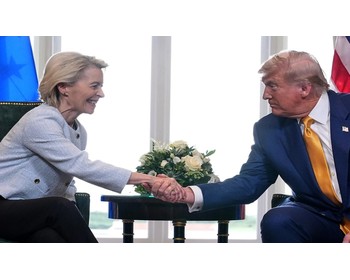
AP, Washington — The U.S. government has rolled out a new r…

According to a report by Reuters on June 2nd, the US Depart…
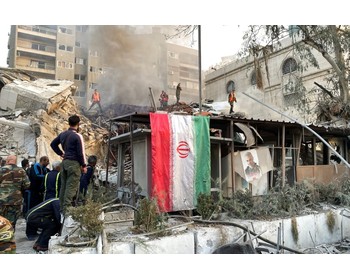
According to recent reports by US media, US President Trump…
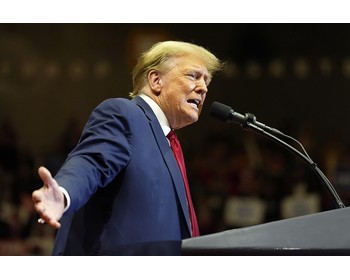
Donald Trump is embroiled in the biggest corruption controv…

Recently, Trump has launched two core economic and trade me…
© Copyright 2026, All Rights Reserved