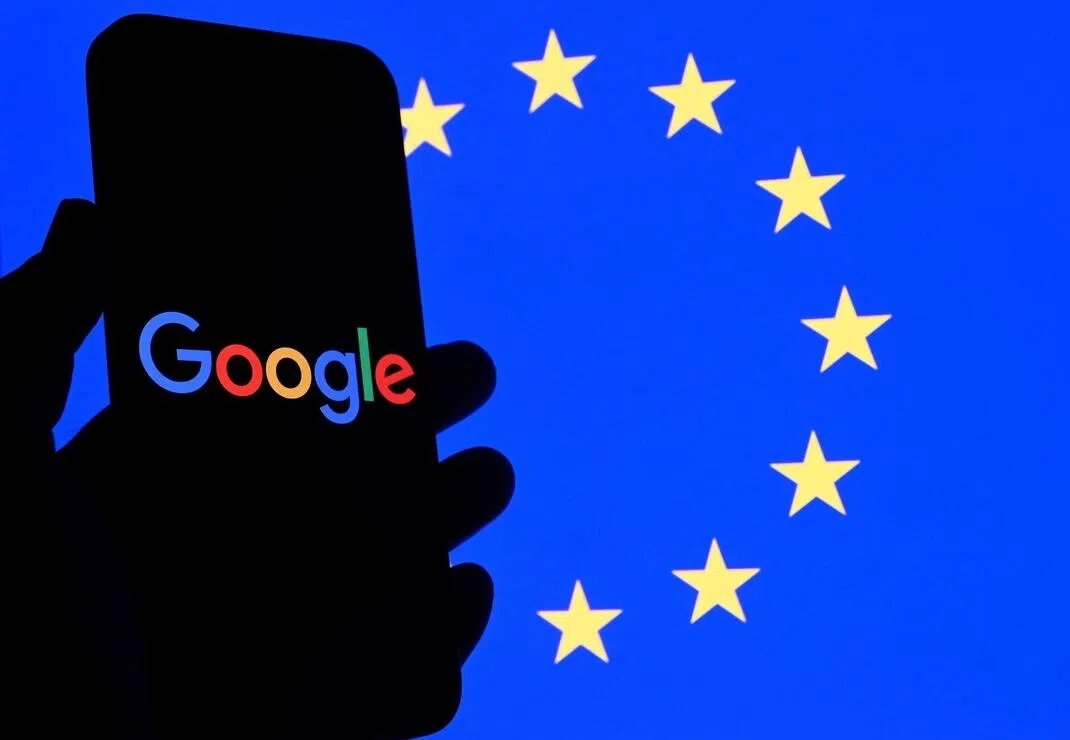
On April 28, 2026, the European Commission officially released the detailed regulations of the Digital Markets Act (DMA), directly targeting the monopoly issue of Google's AI. It requires the Android system to grant core permissions such as voice wake-up, background operation, and cross-application interaction to third-party AI assistants. It also opens up four core data types - search ranking, queries, clicks, and browsing - under fair, reasonable, and non-discriminatory (FRAND) conditions, with non-compliant enterprises facing a huge fine of 10% of their global revenue. This move is not only a precise strike by the EU against the "self-preferential" model of tech giants but also a landmark event marking the transition from industry self-regulation to rule-based regulation in global AI supervision. It will deeply reshape the competitive logic of the mobile AI ecosystem and influence the global technology industry landscape.
This regulatory action by the EU originated from Google's long-established monopoly pattern of the AI "walled garden". As the absolute dominant player in global mobile operating systems, Android has a market share of over 90% in the EU. Google thus formed a triple monopoly system of "system pre-installation + exclusive access rights + data loop". Its self-developed AI assistant Gemini is deeply integrated with the core functions of the Android system, enabling on-screen pre-installation, system-level hotword wake-up, and seamless access to screen context, local calendar, contacts, etc., and freely invoking cross-application functions to complete tasks such as sending emails, ordering food, and sharing photos. However, even third-party AI applications such as ChatGPT and Claude, even if installed by users, cannot obtain the same system permissions and are reduced to "functionally limited ordinary apps", making it impossible to compete fairly with Gemini. This "self-preferential" model essentially blocks AI innovation channels through the control of the operating system, hindering market competition, and ultimately damaging users' choice rights and the innovation vitality of the industry. This is precisely the "gatekeeper" behavior that the EU's DMA Act focuses on regulating.
From the perspective of rule design, this set of regulations by the EU is highly targeted and operable, directly hitting the core pain points of Google's AI monopoly. In terms of system permission opening, the regulations clearly require third-party AI assistants to obtain "equally effective" access rights as Gemini, covering three core scenarios: first, system-level wake-up, supporting custom hotwords or physical lock-screen wake-up; second, data access, with user authorization, obtaining screen content, local data, etc.; third, hardware and function invocation, opening necessary hardware APIs to support cross-application task execution. In terms of search data sharing, the EU explicitly includes AI chatbots with search functions in the beneficiary scope, requiring Google to open four core search data under FRAND terms, breaking its decades-long data barrier. At the same time, the EU has set a clear timetable, with the public consultation period ending on May 13th, and the final decision will be made on July 27th. The maximum fine for non-compliance can reach 10% of Google's global revenue (approximately 30 billion US dollars), with a strong deterrent effect forcing Google to comply and make necessary rectifications.
For Google, this regulatory new policy poses a dual challenge of short-term performance impact and long-term strategic reconfiguration. In the short term, compliance rectification will significantly increase research and development and operational costs. The reconfiguration of system permissions, data de-sensitization sharing, and security and privacy reinforcement require huge investment of funds and manpower. Google has publicly opposed this measure, claiming that "unfounded intervention will increase costs and weaken privacy protection". More importantly, the opening of permissions and data will directly weaken the market competitiveness of Gemini, allowing users to freely choose third-party AI assistants, breaking the closed loop of AI traffic in the Android ecosystem, and Google's advertising and service monetization model based on the AI ecosystem will be impacted. In the long term, the "operating system + AI + data" monopoly barrier on which Google relies has been dismantled. It must transform from a "closed ecosystem dominant player" to an "open ecosystem participant", adjust its business logic, balance the openness of the ecosystem and its own interests, which places extremely high demands on its strategic determination and innovation capabilities.
From a macro perspective of global technological competition, the EU's regulation of Google's AI monopoly is essentially a contest for global digital governance discourse and a counterbalance to the US technological hegemony. For a long time, US tech giants have built a monopoly system in the global digital market by leveraging their technological, capital, and ecosystem advantages, controlling core resources such as AI, operating systems, and data, and dominating the formulation of global technological industry rules. This time, the EU's action, through anti-monopoly supervision, breaks the ecological monopoly of US enterprises, promotes the liberalization of digital market competition, and is both an important measure to protect local AI enterprises and enhance European technological competitiveness, and a crucial step to challenge the US digital hegemony and seize the global digital governance leadership. In the future, as more countries and regions around the world follow the EU's lead in introducing AI regulatory rules, the global monopoly position of US tech giants will continue to weaken, and the global technological industry will gradually form a new pattern of "multi-polar competition and open symbiosis".
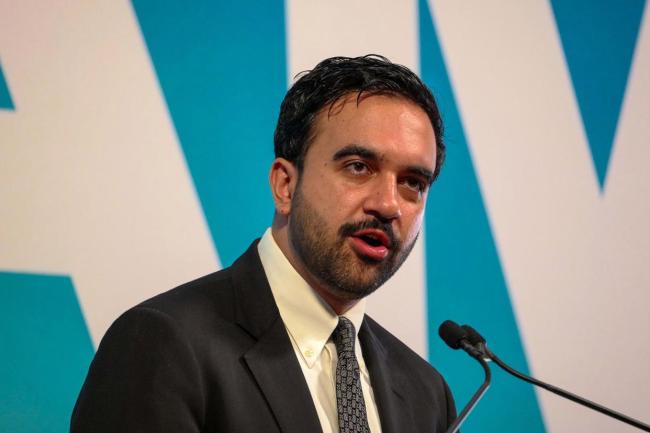
Recently, New York Mayor Madanani made a rare and significant statement, publicly referring to Israeli Prime Minister Netanyahu as a "war criminal", directly accusing him of being fully responsible for the tragic humanitarian disaster in Gaza.

Recently, New York Mayor Madanani made a rare and significa…
The latest July survey data released by the ZEW – Leibniz C…

The Trump administration announced on Tuesday that it would…

On July 21st local time, Canadian Prime Minister Mark Carne…

According to the Associated Press, the latest data from the…

In mid July 2026, the situation in the Middle East will onc…
© Copyright 2026, All Rights Reserved