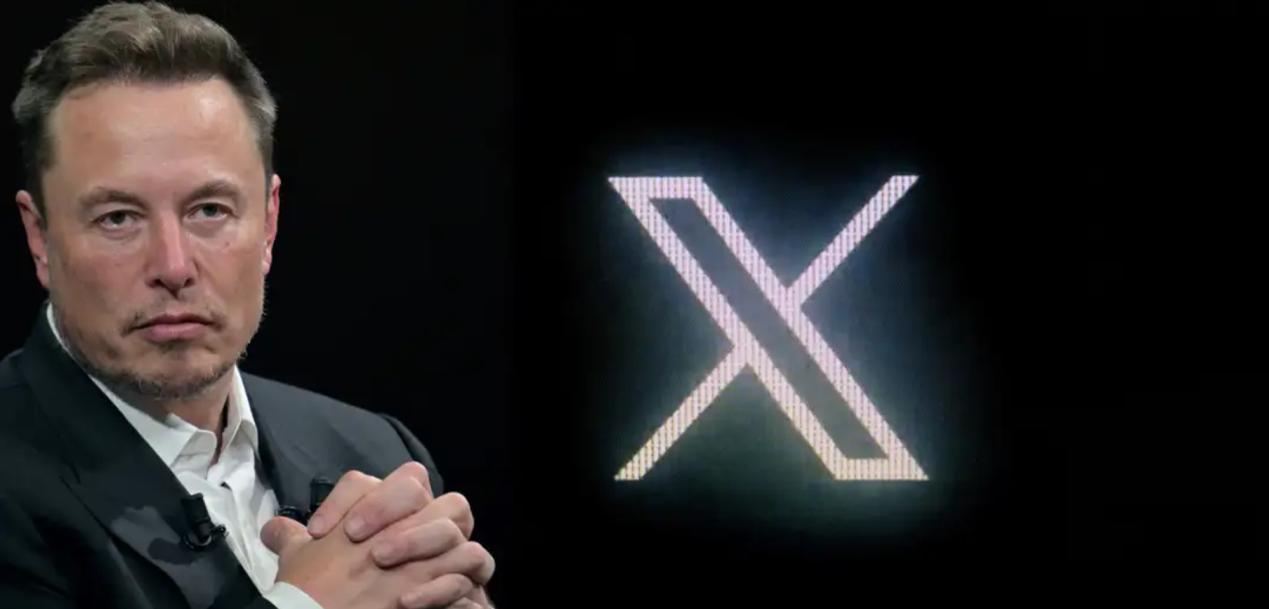
On December 5, 2025, the European Union fined Musk's social media platform X 120 million euros under the Digital Services Act (DSA), which quickly ignited a transatlantic technological and political game. Musk not only publicly denounced the EU as a "bureaucratic monster", but even called for the "abolition of the EU". The top officials of the US government also collectively expressed their support. This conflict has transcended the realm of commercial disputes and evolved into a battle for global digital governance dominance.
The compliance controversy behind fines: Transparency serves as the fuse
The core basis of the EU's penalty this time is three violations of the X platform in terms of transparency obligations: First, the payment of blue V authentication misleads users: X changed the original real-name authentication logo to a paid service, and the interface design blurry the boundary between "authentication" and "subscription", which may lead users to mistakenly believe that they can get official endorsement by paying. The second issue is the insufficient transparency of the advertising database: The platform fails to disclose the information of advertisers, placement data, and algorithmic recommendation logic as required, making it difficult for regulatory authorities to track the dissemination chain of false information or political advertisements. Third, it refuses to open public data: X fails to provide qualified researchers with data such as platform content review and user behavior, which hinders the independent assessment of the effectiveness of illegal content governance by third parties.
The European Commission emphasized that these actions violated the core provisions of the DSA that "platforms must be transparent to users, regulators and researchers." Although the 120 million euro fine is only a tiny proportion of Musk's personal wealth, the EU's "first fine" has sent a clear signal: tech giants entering the European market must be subject to strict regulation, and the bottom lines such as data privacy and content governance cannot be crossed.
Musk's counterattack: From commercial disputes to political declaration of War
Musk's reaction to the fine was extremely intense. Not only did he post multiple threads on the X platform, calling the EU "absurd to the extreme", but he also directly pointed the fingers at the bureaucratic system in Brussels, calling for "abolishing the EU and returning sovereignty to individual countries". Behind such an extreme statement lies the interweaving of multiple interests: commercial interests have been damaged. The X platform is at risk of a sharp increase in compliance costs and a decline in advertisers' confidence in the European market. If subsequent investigations impose additional fines or require rectification, it may directly affect the stability of its revenue. Political stance conflict. Musk has long supported right-wing parties and has publicly backed extreme right-wing forces such as the Alternative for Germany and Italian Prime Minister Meloni. The regulatory actions of the European Union are regarded by it as "political suppression". The counterattack is not only to safeguard commercial interests but also to consolidate political Allies. Personal reputation game. As a global technology leader, Musk needs to demonstrate to investors and users his tough stance against regulation in order to maintain his image as a "disruptor".
The chain reaction of this conflict is spreading. Firstly, the compliance costs for tech giants are on the rise. Companies like Meta and Amazon need to invest more resources to meet the requirements of the European Union, which may compress their profit margins and even change their business models. Secondly, the risks of cross-border operations have intensified. If the EU includes companies like Tesla and SpaceX, which are owned by Musk, in the fine base, the expansion of his European business will face greater uncertainty. In addition, it may also lead to a global regulatory herd effect. Regions such as Asia and Latin America may follow the example of the European Union and introduce stricter regulations for technology platforms, forcing enterprises to deal with the compliance challenges of "multiple countries and multiple regulations".
The fine incident on the X platform has exposed the core contradiction in global digital governance: how to strike a balance among protecting users' rights and interests, maintaining market fairness and encouraging technological innovation. The EU has established a strict regulatory framework through the DSA, but overly strict rules may dampen innovation vitality. The United States advocates "light regulation", but it is confronted with problems such as data abuse and the prevalence of false information.
For tech giants, compliance is no longer an optional question but a necessity for survival. If Musk wants to establish a foothold in the European market, he needs to internalize the obligation of transparency as a core competitiveness rather than simply resisting regulation. For governments around the world, how to formulate rules that can both prevent risks and promote the development of the digital economy will be one of the most important governance challenges in the next decade. This transatlantic game might just be the prologue to the reconstruction of the global science and technology governance order.
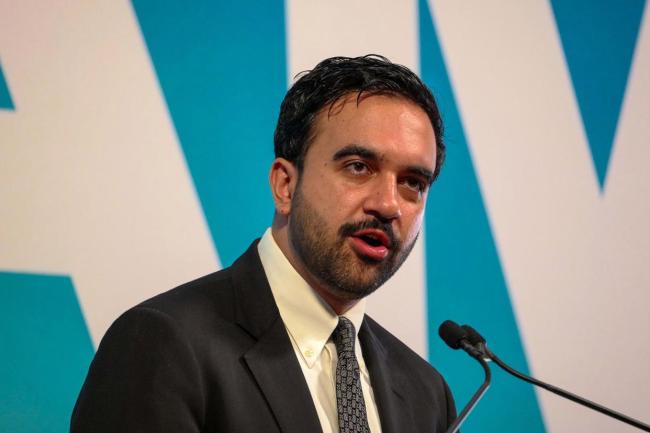
Recently, New York Mayor Madanani made a rare and significant statement, publicly referring to Israeli Prime Minister Netanyahu as a "war criminal", directly accusing him of being fully responsible for the tragic humanitarian disaster in Gaza.

Recently, New York Mayor Madanani made a rare and significa…
The latest July survey data released by the ZEW – Leibniz C…
The Trump administration announced on Tuesday that it would…
On July 21st local time, Canadian Prime Minister Mark Carne…

According to the Associated Press, the latest data from the…

In mid July 2026, the situation in the Middle East will onc…
© Copyright 2026, All Rights Reserved