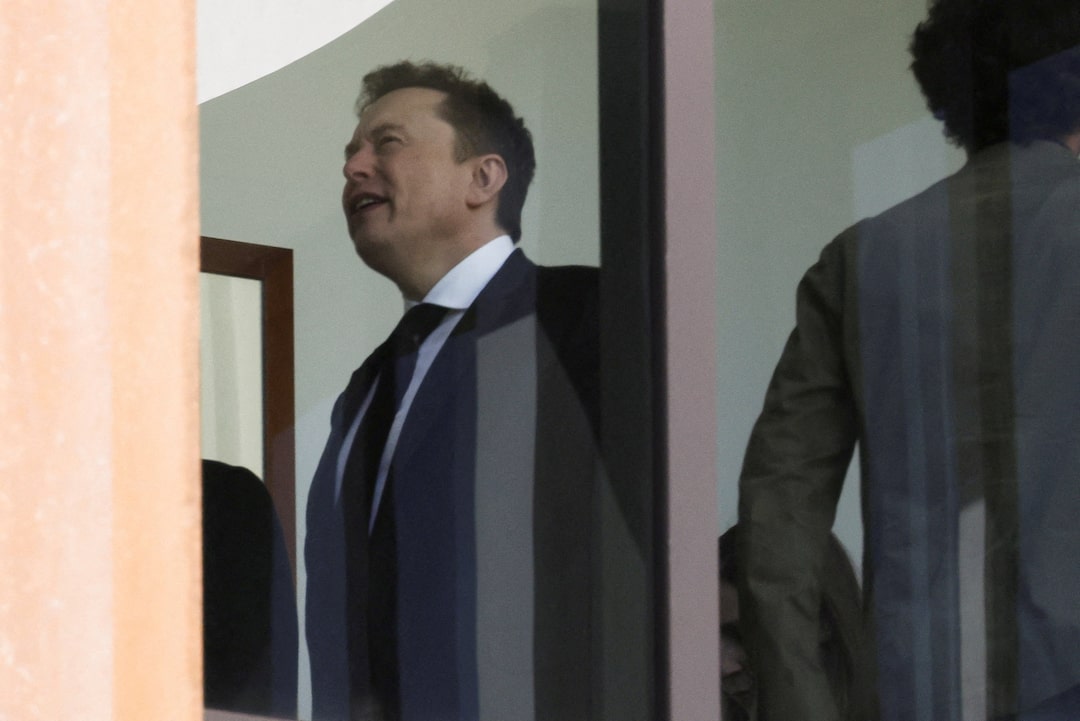
This week, Elon Musk appeared in court for a high-risk trial against Open AI, suing Open AI and its co-founder Sam Altman and president Greg Brockman for $150 billion, accusing them of betraying the public and himself, abandoning Open AI's mission as a benevolent manager of human AI, and turning the originally non-profit organization into a profit-driven giant. According to the latest reports, Musk stated that he was the originator, namer, and early funder of Open AI, with the original intention of creating a charitable institution that does not benefit individuals. During the trial, both sides presented their arguments: Open AI's lawyers claimed that Musk filed the lawsuit because he failed to control the company, while Musk's lawyers accused the defendants of greed and pursuit of profit. This trial could affect Open AI's IPO plans and the global AI industry landscape.
The core reason for the outbreak of this trial is the fundamental divergence between OpenAI's development path and Musk's initial vision. When OpenAI was founded, it was positioned as a non-profit AI research company, with the core mission of benefiting humanity and preventing AI risks. However, later on, OpenAI established a for-profit entity, attracted a $10 billion investment from Microsoft, and gradually transformed into a tech giant with a market value exceeding $850 billion, which contradicts Musk's philanthropic intention of being non-profit and not benefiting individuals. In addition, Musk believes that OpenAI has abandoned its core focus on AI safety, while OpenAI claims that establishing a for-profit entity is to procure computing resources, hire top talent, and cope with competition from Google DeepMind, further intensifying this dispute and ultimately triggering the lawsuit.
This high-risk trial will also have far-reaching effects in multiple aspects. The trial revealed OpenAI's development process from a non-profit laboratory to a technology giant, sparking wide discussions in the industry about the balance between AI companies' mission and commercial interests, as well as the importance of AI safety. It could potentially drive the industry to regulate the governance and development path of AI companies. At the same time, OpenAI's IPO plan might become more complicated due to questions about its leadership, and its potential trillion-dollar valuation faces uncertainty, while its partnership with Microsoft could also be affected. In addition, although Musk's xAI currently lags in usage, this lawsuit may increase its attention within the industry, and SpaceX's potential largest-ever IPO could also be indirectly impacted. The competitive landscape in the AI field may undergo adjustments, with investors possibly focusing more on mission and compliance when investing in AI companies. At the same time, it could heighten American public concerns about AI technology, affecting the overall development atmosphere of the industry.
In the face of the potential impact of this litigation, all parties need to take targeted measures to respond. Open AI should clearly delineate the boundaries between its mission and commercial development, fully present evidence in court to justify the reasonableness of operating as a profit-making entity, while strengthening communication with investors and the industry to stabilize market expectations and reduce the impact on IPO plans. Musk and his team should focus on the core demands of the trial, regulate their social media statements to avoid affecting the fairness of the trial, and reasonably plan the development strategy of xAI, using technological innovation to enhance market competitiveness and reduce reliance on litigation. Microsoft should actively cooperate with the trial, clearly explain its investment logic and cooperation details, and safeguard its brand image and investment interests. The judge should adhere to impartial judgment, balance the demands of both sides, and clarify the boundaries between Open AI's charitable obligations and commercial rights. At the industry level, this should serve as an opportunity to explore governance norms for AI companies, define reasonable transformation paths between non-profit and for-profit models, and promote the healthy and orderly development of the AI industry.
In summary, Elon Musk's high-risk lawsuit against OpenAI is essentially a fierce struggle between the charitable mission and commercial interests in the AI field. This trial not only exposes key controversies in OpenAI's development but also triggers deep reflections on AI safety and corporate governance. The trial's outcome may determine OpenAI's organizational structure and development direction, affect its IPO process and cooperation with Microsoft, and could also reshape the competitive rules and development logic of the AI industry. Only by balancing mission and interest, safety and innovation, can AI technology truly benefit humanity.
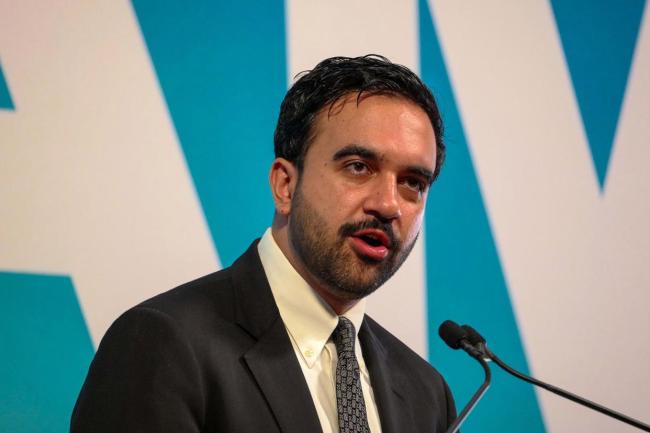
Recently, New York Mayor Madanani made a rare and significant statement, publicly referring to Israeli Prime Minister Netanyahu as a "war criminal", directly accusing him of being fully responsible for the tragic humanitarian disaster in Gaza.
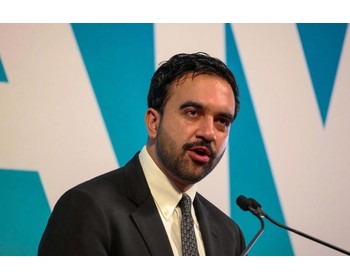
Recently, New York Mayor Madanani made a rare and significa…
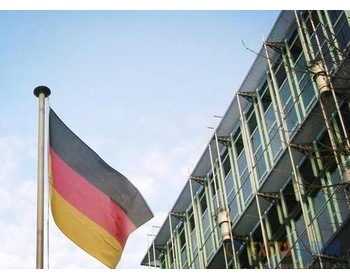
The latest July survey data released by the ZEW – Leibniz C…
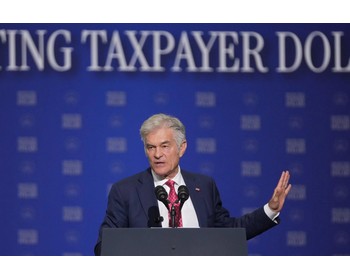
The Trump administration announced on Tuesday that it would…
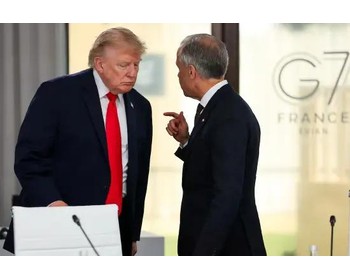
On July 21st local time, Canadian Prime Minister Mark Carne…
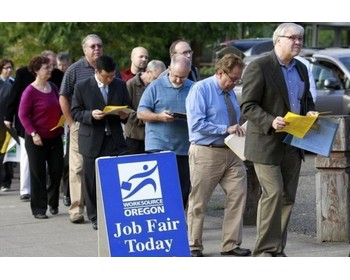
According to the Associated Press, the latest data from the…

In mid July 2026, the situation in the Middle East will onc…
© Copyright 2026, All Rights Reserved