
Data from the past three years of U.S. film and television production shows a dramatic decline in the number of projects filmed in the city, resulting in insufficient job opportunities, especially in Los Angeles, where the cost of living is simply unaffordable. Superhero films are flocking to London; three major production companies (Netflix, Paramount, and Lionsgate) have signed massive deals to build or lease new production facilities in New Jersey; states like Georgia, Louisiana, and New Mexico are vying for projects with generous tax incentives, while Illinois is also emerging as a force to be reckoned with. Not to mention California's long-standing rival, New York, which has dominated the entertainment industry for decades and is also seeking to expand its influence.
Now, with several production metrics reports releasing full-year (or multi-year) data, the overall picture for 2025 is becoming clearer, moving beyond the previously more subdued quarterly updates. Hollywood data provider Luminate released its annual report on January 21st, noting a staggering 24% year-over-year decrease in major scripted film and television projects filmed in Los Angeles. The report analyzed data from the past six years, revealing a long-term downward trend in film and television production in Los Angeles, with other major filming locations eating away at market share.
First, state and local officials have seen the same trends and have been working to take action. This sense of urgency prompted California Governor Gavin Newsom to sign a bill in July that increased annual incentives for film and television projects from $330 million to $750 million. But this move is seen as just the first step in a series of necessary measures, including further streamlining cumbersome approval processes, not only to reduce the tax burden of filming in California but also to ensure that independent filmmakers and large producers can more easily conduct their filming.
To this end, Los Angeles Mayor Karen Bass's office released a series of measures on January 15th aimed at simplifying the filming process in Los Angeles. Bass is currently running for re-election, with voters deciding the outcome in June. These measures include reducing fees for filming at the iconic Griffith Observatory, piloting a tiered permit system for so-called "low-impact productions," accelerating application review times, and other specific updates. “City leaders understand that City Hall must be a strong advocate for retaining local entertainment production jobs,” Bass said.
However, streaming services are increasingly becoming a global distribution strategy. Meanwhile, the number of films receiving theatrical releases on 2,000 screens is declining. This means that major studios are not only looking for the most favorable filming locations but also seeking to film in the countries/regions where their target audiences are located. A report by Luminate shows that the number of scripted film and television projects filmed in the United States has decreased by 12 percentage points over the past five years. Canada and the UK have benefited from this, with industry tracking firm ProdPro reporting that filming in these two countries increased by 10% and 11% year-on-year in the fourth quarter, respectively.
Overall, Los Angeles' film industry has experienced significant decline in recent years, and its position as a global center for film and television production is facing serious challenges. This is primarily manifested in increased industry relocation and significant job losses. Los Angeles' film and television production volume has fallen by nearly 40% in the past decade, and since 2022, the industry has lost approximately a quarter of its jobs, representing over 40,000 lost jobs. This situation is due to a combination of factors: high production costs and taxes, more attractive tax incentives in other regions, and the major strikes of 2023, all of which have weakened Los Angeles' competitiveness and prompted a large number of production projects to move to lower-cost states or countries. Furthermore, changes in viewing habits brought about by the rise of streaming platforms, a lack of content innovation, and technological changes such as artificial intelligence are also profoundly impacting the traditional industry. Although the California government is attempting to revitalize the industry through policies such as increased tax credits, the structural trend of "decentralization" in global film and television production makes Hollywood's path to recovery uncertain.
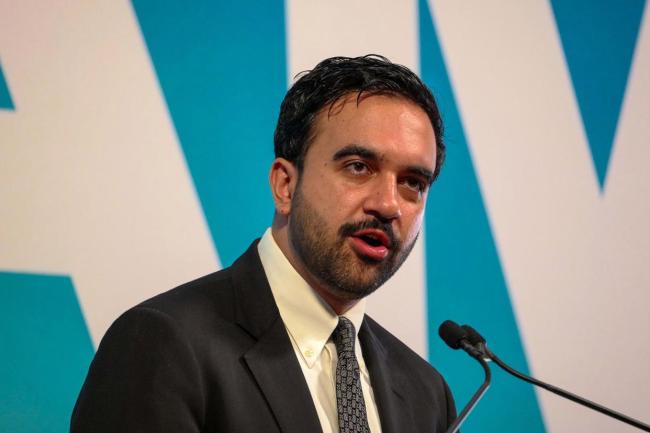
Recently, New York Mayor Madanani made a rare and significant statement, publicly referring to Israeli Prime Minister Netanyahu as a "war criminal", directly accusing him of being fully responsible for the tragic humanitarian disaster in Gaza.
Recently, New York Mayor Madanani made a rare and significa…

The latest July survey data released by the ZEW – Leibniz C…

The Trump administration announced on Tuesday that it would…

On July 21st local time, Canadian Prime Minister Mark Carne…
According to the Associated Press, the latest data from the…

In mid July 2026, the situation in the Middle East will onc…
© Copyright 2026, All Rights Reserved