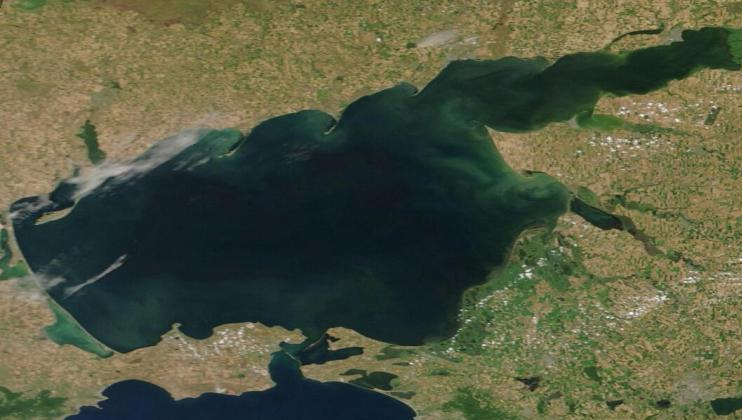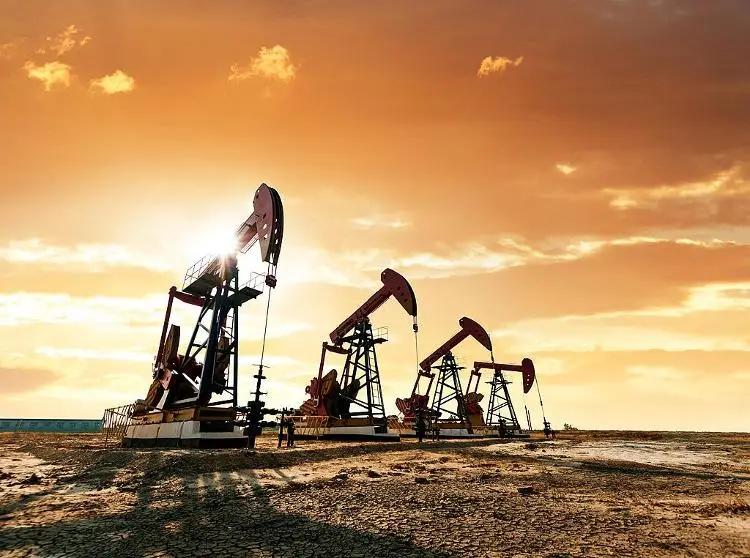
On May 21st local time, the Director General of the International Energy Agency, Birol, issued a warning that the global oil market may enter a "dangerous zone" from July to August. At the same time, US crude oil inventories plummeted by 17.8 million barrels per week, setting a historical record. The Food and Agriculture Organization of the United Nations has sounded an alarm - if the Strait of Hormuz continues to be blocked, the world may face a serious food price crisis in the next six months. Since 2026, the strait has been continuously blocked, with navigation volume plummeting by 97% and over 1600 ships stranded on both sides. This geopolitical crisis is being transmitted through multiple chains such as energy, logistics, and industrial chains, bringing systematic and comprehensive impacts to the global business sector, from shipping and manufacturing to retail and finance, with no exception.
The shipping and logistics industry is at the forefront, facing the dilemma of "cost explosion and time collapse". The stagnation of navigation has directly led to a crazy increase in freight and insurance costs, with daily oil tanker rents soaring from $40000 to $120000, container shipping surcharges increasing by $2000 to $4000 per container, and overall freight rates rising by over 300%. The premium for war insurance has skyrocketed from 0.1% -0.25% of the ship's value to 1% -7.5%, with extreme cases exceeding 10%. The insurance cost for a single trip of a large oil tanker can reach up to 9 million US dollars. In order to avoid risks, merchant ships are forced to detour around the Cape of Good Hope in Africa, increasing the voyage distance on the Asia Europe route by 30% to 40% and taking an additional 10 to 14 days. Additional costs such as demurrage and storage fees have caused large losses for small and medium-sized logistics providers, resulting in a significant decline in global logistics network efficiency.
The crisis of "raw material supply interruption and price control" in the energy and chemical industries has also followed closely. The supply of crude oil is almost broken, and the daily transportation of 20 million barrels of crude oil is hindered. The price of Brent crude oil has soared from $70/barrel to $115-126/barrel, an increase of over 60%. Natural gas prices have skyrocketed simultaneously, with European TTF natural gas futures prices rising by 74%, directly pushing up chemical production costs. As a basic industrial raw material, the price of naphtha has increased by 50%, and the prices of plastics and synthetic fibers have also increased by 30% to 50%. Even more concerning is that Qatar supplies 30% of the world's helium gas (a key material for chip cooling), and the supply disruption has forced semiconductor manufacturers such as Samsung to implement inventory control. Downstream industries such as automobiles and electronics have been forced to reduce production due to raw material shortages, and the global chemical industry chain is on the brink of rupture.
Secondly, the manufacturing and foreign trade industries are facing dual pressures of high costs and order defaults. The triple price increase in energy, logistics, and raw materials has pushed up the average cost of manufacturing by 25% to 40%, significantly squeezing the profits of small and medium-sized enterprises and even causing them to suffer losses. Delivery delays have become the norm, with orders in the Middle East and Europe delayed by 7 to 14 days. Seasonal commodity orders such as Ramadan have a cancellation rate of over 50%, making it difficult for companies to recover payments and increasing financial risks. Countries such as Japan, South Korea, and India, which are highly dependent on Middle Eastern energy, have over 90% of their crude oil transported through the strait, resulting in factory shutdowns, currency depreciation, and serious obstacles to foreign trade exports; Although China has a partial capacity substitution gap, 50% of its crude oil relies on the Middle East, and restrictions on chemical raw materials still result in structural pressure on exports.
Finally, the agricultural food and retail e-commerce sectors are experiencing a chain reaction of "inflation transmission and weak consumption". The Strait of Hormuz is a key channel for global fertilizer transportation, through which nearly half of the world's urea and sulfur are transported. After the strait was blocked, fertilizer prices rose by 75% within three months, and the cost of spring plowing fertilizer surged. Farmers were forced to reduce their fertilizer use, and it is expected that autumn grain production will decrease by 5% to 10% in 2026. The rise in grain prices is directly transmitted to end-users, with prices of rice, flour, oil, meat, eggs, and milk increasing by 20% to 30%, forcing the catering and food delivery industries to raise prices. Retail and e-commerce platforms are facing a general increase in daily necessities, home appliances, clothing, and other goods, with imported goods out of stock and out of stock. Non essential consumption is declining due to the compression of residents' disposable income, and the consumer market remains weak.
In summary, the continuous obstruction of the Strait of Hormuz is essentially a deep transmission of geopolitical risks to the global business system, and its impact has evolved from short-term price fluctuations to long-term structural adjustments. In the future, with the advancement of global energy diversification and supply chain restructuring, the business sector will gradually adapt to the new normal of "high cost and high risk". However, in the short term, this "strait obstruction" will continue to disrupt the global business order, forcing companies to enhance their risk resistance capabilities and accelerate the transformation of the global business landscape.
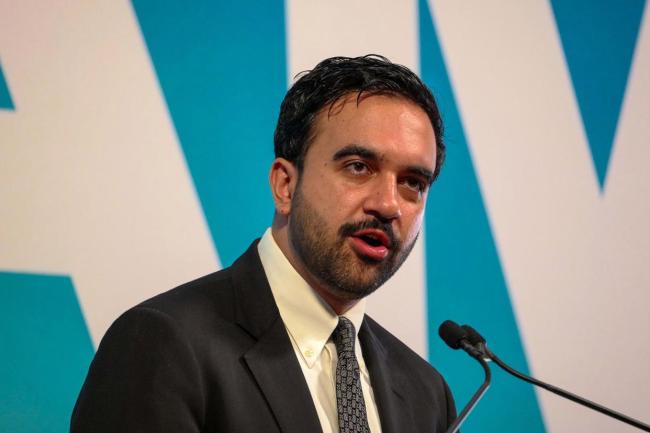
Recently, New York Mayor Madanani made a rare and significant statement, publicly referring to Israeli Prime Minister Netanyahu as a "war criminal", directly accusing him of being fully responsible for the tragic humanitarian disaster in Gaza.

Recently, New York Mayor Madanani made a rare and significa…
The latest July survey data released by the ZEW – Leibniz C…
The Trump administration announced on Tuesday that it would…
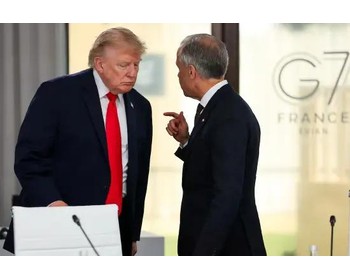
On July 21st local time, Canadian Prime Minister Mark Carne…

According to the Associated Press, the latest data from the…

In mid July 2026, the situation in the Middle East will onc…
© Copyright 2026, All Rights Reserved