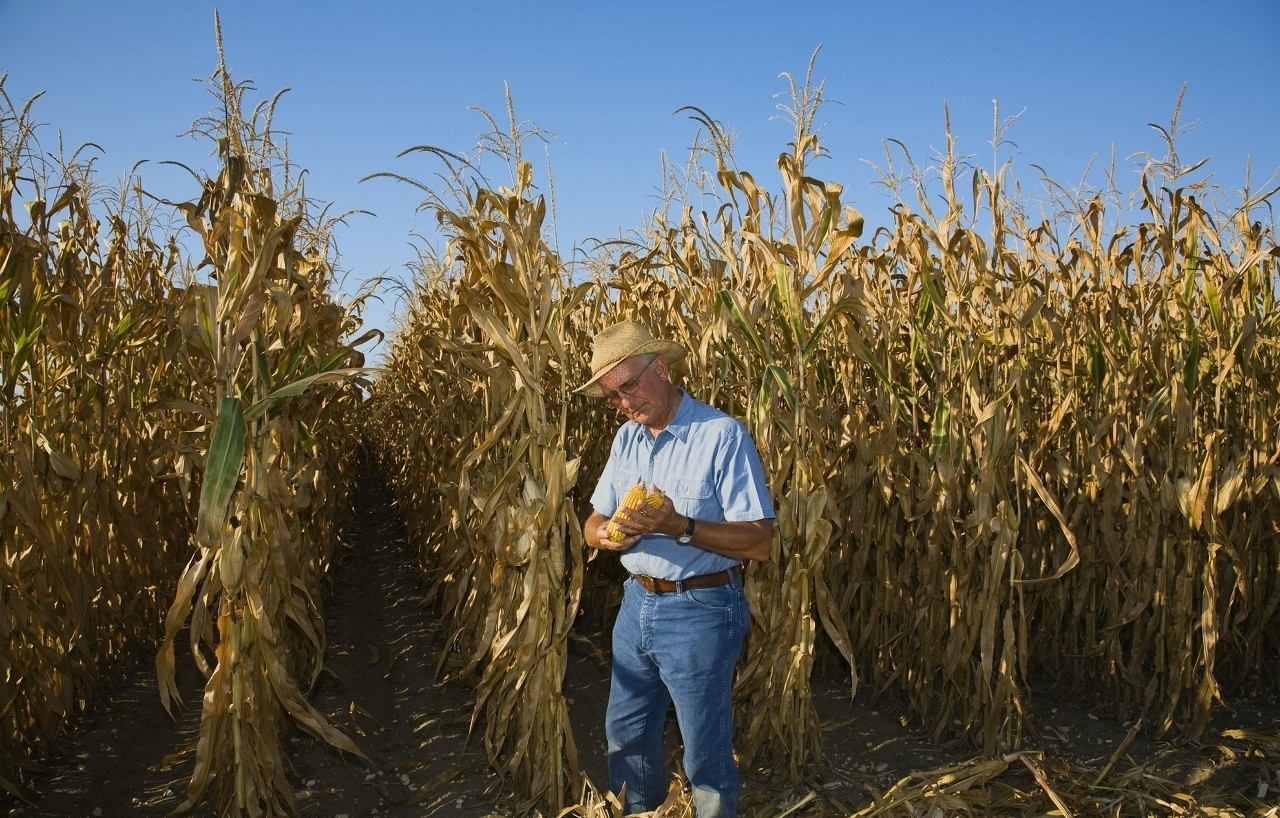
Recently, the United States Department of Agriculture released the first crop progress report for the 2026 planting season, and the data on corn planting in it has drawn widespread attention in the agricultural and related business sectors. The report shows that as of April 5th, the 18 states with the largest corn planting areas have completed 3% of their planting, which is higher than the average of 2% over the past five years.
From the distribution of planting progress, there is an extremely uneven situation among the states. Texas has achieved a planting progress of 59%, leading the pack. Tennessee follows closely with 18%, while Illinois, Indiana, and Wisconsin have only completed 1% of their planting. This huge disparity reflects the unevenness in agricultural resources, planting technologies, and market response capabilities across different regions. Texas and Tennessee, perhaps due to their superior natural conditions, advanced planting technologies, and well-developed agricultural supply chains, can quickly advance the planting progress and seize market opportunities. However, for those states with slow planting progress, they may face resource shortages, technological backwardness, and lagging market information problems. This not only affects the income of local farmers but also may have a chain reaction on the agricultural economy of the entire region, leading to a further widening of the economic gap between regions.
Looking at the early advancement of planting area, although the overall planting area completion ratio is higher than the five-year average, this does not necessarily mean commercial success. Early planting may bring a series of potential risks. On one hand, the uncertainty of climate conditions is one of the biggest challenges in agriculture. Even though the planting progress is currently fast, if subsequent extreme weather conditions such as drought, floods, and low temperatures occur, it will have a significant impact on the growth and yield of corn. Once the yield decreases, the market supply will reduce, and prices will inevitably fluctuate. For processing enterprises that rely on corn as raw materials, this will lead to increased costs and a decline in profit and market competitiveness. On the other hand, early planting may lead to an imbalance in market supply and demand. If the planting area across the country is generally advanced and the yield increases significantly this year, while market demand fails to grow simultaneously, then corn prices may fall, farmers' income will be damaged, and the return on agricultural investment will decrease, which may affect farmers' planting enthusiasm in the next season and form a vicious cycle.
From a market perspective, the data on corn planting progress has a significant impact on the decisions of enterprises in the related supply chain. Feed enterprises, food processing enterprises, and biofuel enterprises are all major demanders of corn. These enterprises need to base their procurement plans and production plans on the planting progress of corn and expected yields. However, the huge differences in planting progress among states and the uncertainty brought about by the overall early planting make the decisions of enterprises more difficult. If enterprises overestimate the yield and purchase a large amount of corn, once the yield is lower than expected, they will face inventory accumulation and capital occupation problems; conversely, if enterprises are overly cautious and reduce purchases, while the actual yield is higher, it may lead to insufficient raw material supply and affect production progress.
Furthermore, the winter wheat crop in the United States has 7% of ears emerging, which is higher than the five-year average. This data, although not directly related to corn planting, also reflects the overall complexity of agricultural production at present. The mutual influence of different crop growth cycles and market demand further increases the difficulty of agricultural business decisions. Enterprises need to consider multiple factors and formulate more flexible and diversified strategies to cope with market uncertainties.
In conclusion, although this crop progress report released by the United States Department of Agriculture provides preliminary data on corn planting, from a business perspective, there are many uncertainties and potential risks. The uneven progress of planting across different states, the climate and market risks brought about by early planting, as well as the impact on business decisions, all require the utmost attention from agricultural practitioners and related enterprises.

Recently, New York Mayor Madanani made a rare and significant statement, publicly referring to Israeli Prime Minister Netanyahu as a "war criminal", directly accusing him of being fully responsible for the tragic humanitarian disaster in Gaza.

Recently, New York Mayor Madanani made a rare and significa…

The latest July survey data released by the ZEW – Leibniz C…

The Trump administration announced on Tuesday that it would…

On July 21st local time, Canadian Prime Minister Mark Carne…

According to the Associated Press, the latest data from the…

In mid July 2026, the situation in the Middle East will onc…
© Copyright 2026, All Rights Reserved