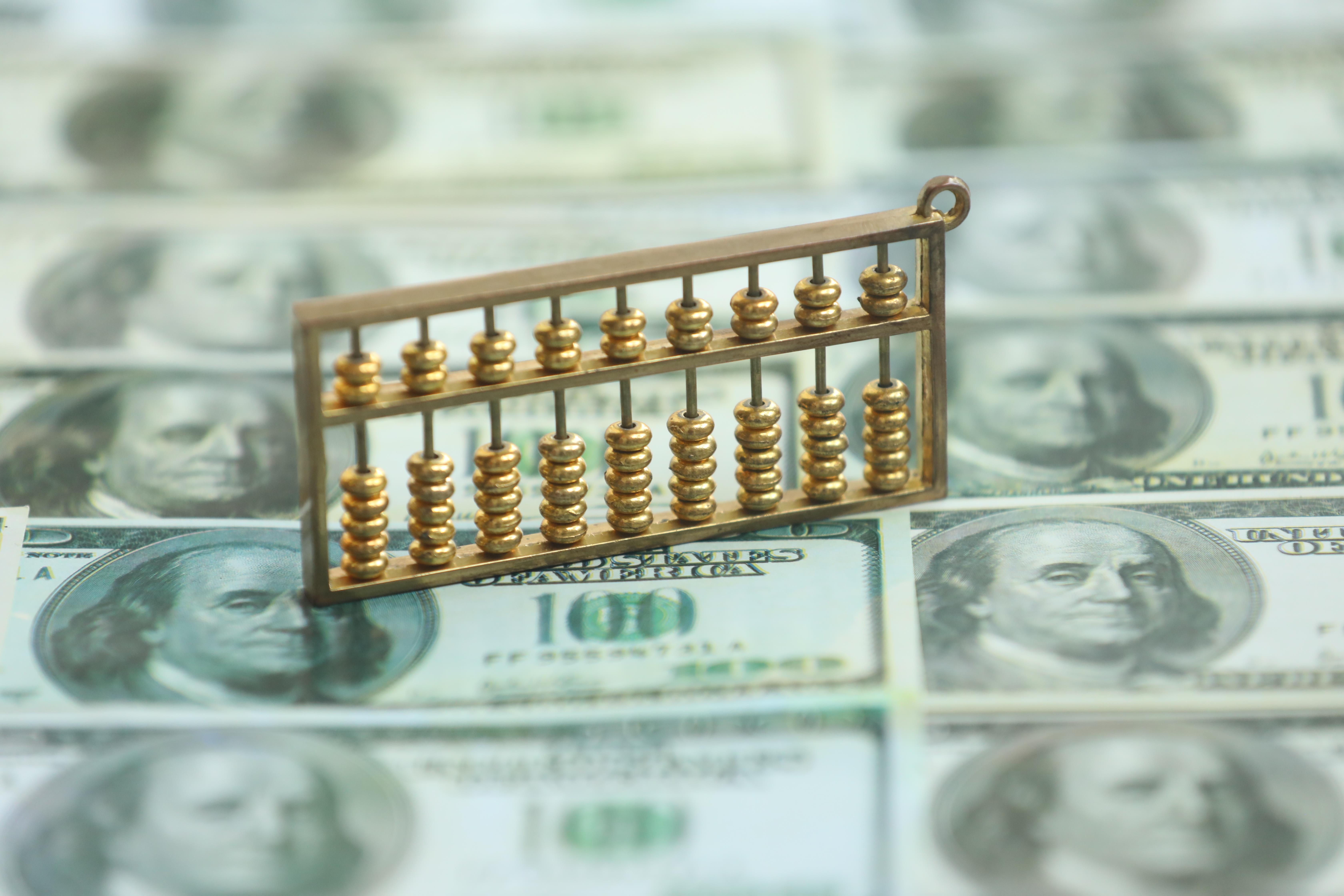
Recently, a study released by the JPMorgan Chase Institute has caused a stir in the business sector: Due to the continuous escalation of tariff policies, the total amount of tariffs paid by American medium-sized enterprises last year increased by three times. This data not only reveals the tremendous pressure borne by enterprises behind the 48 million middle-class employed people in the United States, but also delivers a resounding slap to the face of the political myth that "tariffs are paid by foreign countries".
This round of tariff escalation began under the aggressive trade policies of the previous administration. Since the so-called "Reform Day" last year, the average tariff rate in the United States has soared from 2.6% to 13%, reaching the highest level in more than a century. The policymakers' original intention was clear and simple: By imposing tariffs on imported goods, they forced manufacturing to return to the United States and made foreign exporters pay for this political gamble. However, JPMorgan Chase tracked the payment data of medium-sized enterprises with an annual revenue of between 10 million and 1 billion US dollars and found that the reality was far more cruel than the political slogans.
The economic mechanism that triggered this phenomenon is actually not complex. The joint report by the Federal Reserve Bank of New York and Columbia University clearly pointed out that for most of 2025, up to 94% of the additional tariff costs were passed on to American enterprises and consumers, and even at the end of the year, this proportion still remained at a high level of 86%. The German Kiel Institute even used the term "blowout" to describe this predicament, stating that American importers and consumers bore almost all the costs, while the so-called foreign exporters only bore a negligible 4%. Tariffs are essentially a consumption tax, which first acts on importers and then spreads layer by layer along the supply chain, ultimately appearing in the form of higher prices on supermarket shelves and factory bills.
What is even more ironic is that when academic institutions and commercial banks peeled back the truth with data, Kevin Hassett, the director of the National Economic Council of the White House, did not confront the problem but angrily accused the research of the Federal Reserve Bank of being "the worst paper in its history" and even threatened to "discipline" the relevant researchers. This resistance to objective economic analysis precisely exposes the policymakers' helplessness and anxiety when facing economic laws.
This "own people against each other" tariff model is causing a series of chain risks in the American business sector. Medium-sized enterprises, as the "waistband" of the US economy, lack the bargaining power of multinational giants to shift supply chains and are deeper embedded in the global procurement network than small enterprises. Faced with rising costs, they can only make difficult choices among price hikes, layoffs, and profit compression. An academic team estimated that consumer prices have thus increased by approximately 0.8 percentage points compared to the scenario without tariffs, which is undoubtedly a great irony for the government that promised to curb inflation.
The more far-reaching impact lies in the distortion of the global supply chain. Data shows that US direct payments to China have decreased by 20%, but whether this is a successful transfer of the supply chain or that Chinese goods enter through third countries "through a backdoor", remains unknown. This uncertainty caused by political intervention is exacerbating the fragmentation of the global trade system, leaving countless enterprises struggling in the chaos of regulations and sudden tax bills. The experience of a nut and bolt supplier in Illinois is a microcosm: Due to a non-public internal memo from the customs, they were forced to pay a 50% punitive tariff on all imported goods and eventually had to sue the government to maintain the most basic commercial expectations.
For American enterprises in the eye of the storm, they should no longer pin their hopes on the frequent changes in policies. They need to re-examine their supply chain resilience and find a more flexible balance point between "de-risking" and "cost preservation". Accelerating the diversification of the supply chain, using digital means to accurately calculate the impact of tariffs, and even joining forces to challenge blatant "overreach in regulation" through legal means are all viable survival strategies that enterprises can adopt in chaotic situations. When the government is fixated on using 19th-century tools to solve 21st-century problems, enterprises can only rely on calmness and foresight to avoid becoming victims of grand political narratives.
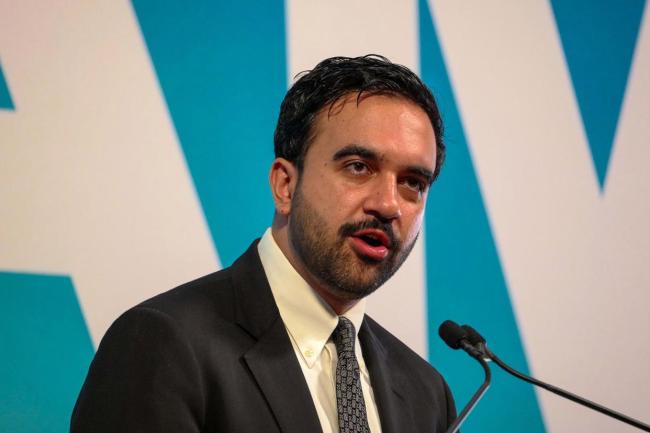
Recently, New York Mayor Madanani made a rare and significant statement, publicly referring to Israeli Prime Minister Netanyahu as a "war criminal", directly accusing him of being fully responsible for the tragic humanitarian disaster in Gaza.
Recently, New York Mayor Madanani made a rare and significa…
The latest July survey data released by the ZEW – Leibniz C…
The Trump administration announced on Tuesday that it would…
On July 21st local time, Canadian Prime Minister Mark Carne…
According to the Associated Press, the latest data from the…
In mid July 2026, the situation in the Middle East will onc…
© Copyright 2026, All Rights Reserved