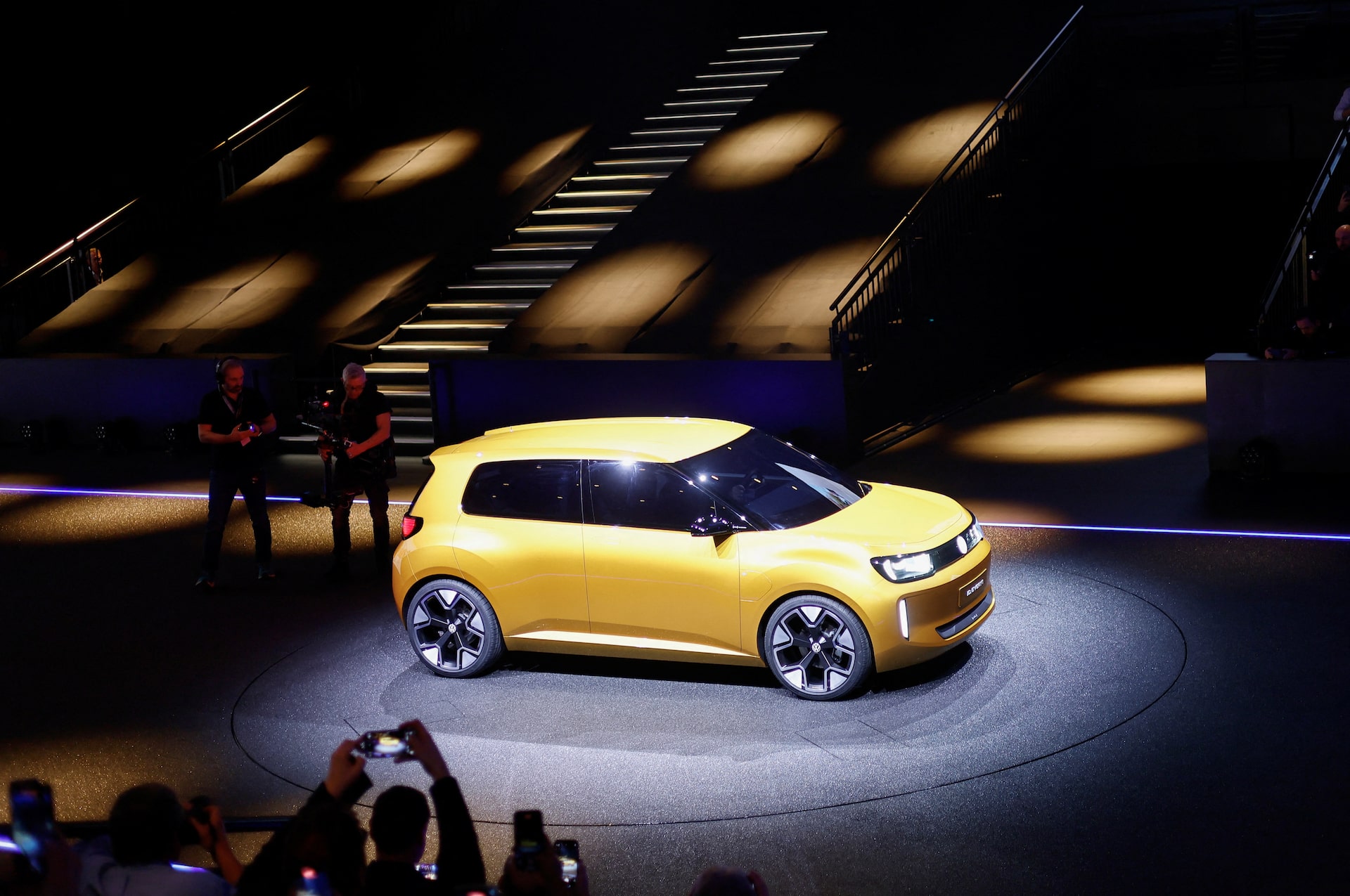
The European Automobile Manufacturers' Association (ACEA) released the latest data on January 27, showing that sales of pure electric vehicles in the EU surpassed those of pure gasoline vehicles for the first time in December, marking a key breakthrough in the automotive market's transition to electrification. According to the latest data, although hybrid vehicles still hold the largest market share and policymakers have proposed relaxing emission regulations to allow fuel engine vehicles to exist for a longer time, the EU is still gradually transitioning to electric and hybrid vehicles.
The electrification transformation of the EU car market is the result of balancing various demands and challenges. EU policymakers initially aimed to achieve carbon neutrality through electrification. While they originally planned to ban the sale of fuel-powered cars by 2035, they later proposed relaxing the regulations, mainly due to pressure from car manufacturers. Automakers need to respond to competition from Chinese brands, the impact of U.S. import tariffs, and the profitability challenges of electric vehicles. Local car companies are accelerating the launch of new electric models, primarily to capture market share and counter the impact of Chinese brands such as BYD, Changan, and Geely, while the classification of mild hybrids represents a compromise between regulations and the market. European countries have introduced incentive programs for electric vehicles aimed at reducing consumer purchasing costs, stimulating market demand, and supporting the achievement of overall emission reduction goals.
This breakthrough has multiple impacts on the EU car market structure, the development of car companies, and market recovery. This milestone change not only reshapes the core logic of competition among car market categories, but also forces companies to accelerate strategic adjustments, while injecting key momentum into the steadily recovering European car market. The breakthrough has intensified competition in the electric vehicle sector. Despite some policy relaxations, the high proportion of new energy vehicles reflects the determination for transformation, and the industry expects the share of electric vehicles to continue expanding. At the same time, electrification is driving market recovery, with total car sales in the EU increasing by 5.8% in December, and EU and pan-European market sales projected to reach a five-year high by 2025, indicating a clear recovery trend.
In the face of transformation trends and challenges, it is essential to balance policy flexibility with emission reduction targets, clarify the long-term direction of electrification, and support automakers in technological research, development, and industrial chain layout to address profitability issues. Domestic automakers need to accelerate the enhancement of core competitiveness, launch cost-effective electric vehicles, increase investment in core technology research, optimize the supply chain to reduce costs, and leverage local advantages to respond to the impact of Chinese brands. Governments worldwide should optimize incentive programs, reduce car purchase costs through subsidies and tax relief, accelerate the construction of charging infrastructure, and alleviate consumer concerns about usage. Additionally, vehicle classification standards should be standardized, clearly define the categories of vehicles and emission reduction requirements, and prevent automakers from using mild hybrid classifications as a way to indirectly retain internal combustion vehicles.
In summary, the sales of pure electric vehicles in the EU surpassed gasoline cars for the first time in December, marking an important milestone in the electrification transition and confirming the global trend toward vehicle electrification. However, this breakthrough is still at a stage; factors such as the dominance of hybrid models, the time required for pure electric vehicles to fully surpass other types, and policy relaxation indicate that the transition is a gradual process. At the same time, the rise of Chinese brands has put significant competitive pressure on local car companies, reshaping the European automotive market landscape. In the future, only by forming a joint effort among the EU, automakers, and national governments—balancing short-term pressures with long-term goals, helping automakers overcome technological and profitability bottlenecks, and improving infrastructure and consumer incentive systems—can the electrification transition continue to deepen, achieving carbon neutrality while maintaining the core competitiveness of domestic automotive industries and promoting a green and high-quality development of the European car market.

Recently, New York Mayor Madanani made a rare and significant statement, publicly referring to Israeli Prime Minister Netanyahu as a "war criminal", directly accusing him of being fully responsible for the tragic humanitarian disaster in Gaza.
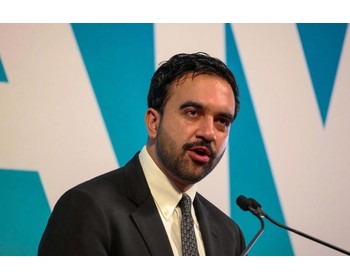
Recently, New York Mayor Madanani made a rare and significa…
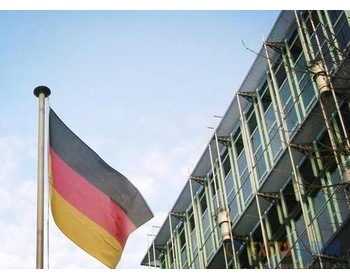
The latest July survey data released by the ZEW – Leibniz C…
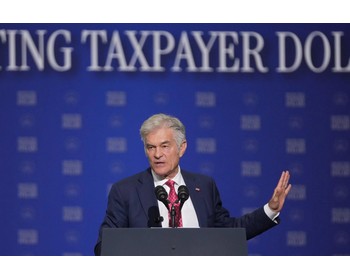
The Trump administration announced on Tuesday that it would…
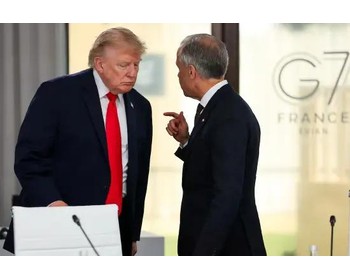
On July 21st local time, Canadian Prime Minister Mark Carne…
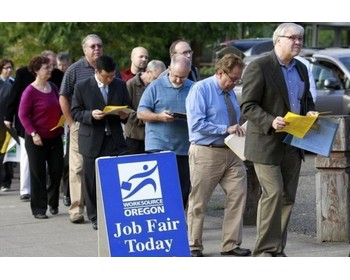
According to the Associated Press, the latest data from the…

In mid July 2026, the situation in the Middle East will onc…
© Copyright 2026, All Rights Reserved