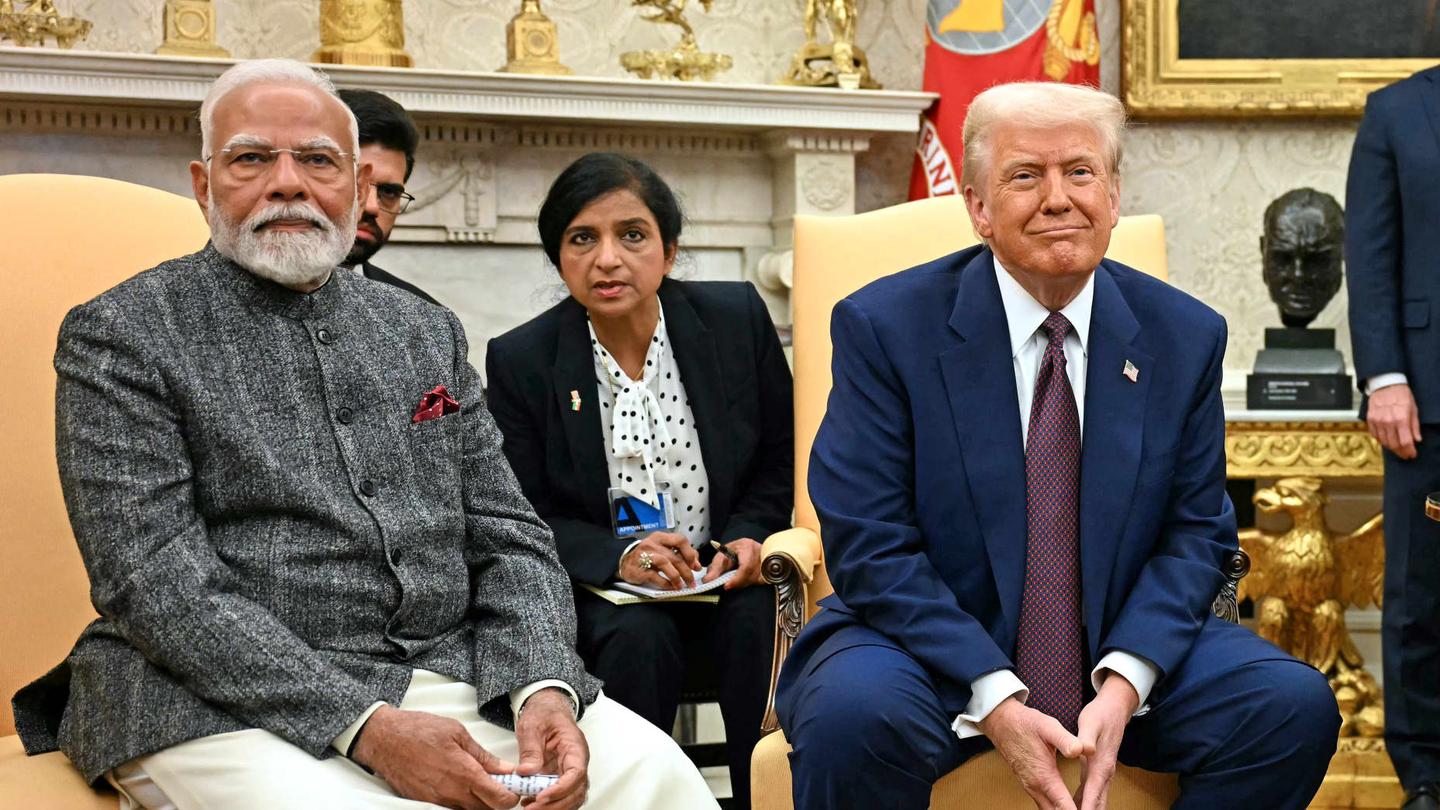
In the ever - shifting landscape of global trade, on April 20, the US - India bilateral trade negotiations recommenced in Washington, D.C. This three - day meeting of chief negotiators has become a focal point due to the "fundamental upheaval" in US tariff policies. Behind it lies a complex web of interest games, and it has a profound impact on the global supply chain and trade patterns.
The abrupt shift in US tariff policies served as the trigger for these negotiations. In February this year, the US Supreme Court ruled that reciprocal tariffs imposed under the International Emergency Economic Powers Act were invalid. Subsequently, the White House announced a uniform 10% temporary tariff on all trading partners for a period of 150 days. This move was like a sledgehammer, completely shattering the carefully constructed trade arrangements between the US and India previously.
Earlier, to secure a "preferential treatment" from the US, namely a reduction in tariffs from 50% to 18%, India promised to cut back on its imports of Russian oil. On February 7, it released a framework draft that included tariff reductions on agricultural products and a five - year energy procurement plan. However, the uniform tariff rendered India's "exclusive preferential treatment" instantly null and void, putting all competitors on an equal footing. India's concession plan, designed to obtain special treatment, now requires a comprehensive reassessment. The balance of advantages in the early draft no longer exists, and the agreement must be "recalibrated and redrafted." The 150 - day temporary tariff window has become a crucial period for intense bargaining between the two sides. If India fails to quickly lock in long - term rules within this period, it will face greater export uncertainties, casting a dark cloud over its trade prospects.
The game of tariff figures is merely a superficial manifestation; the structural issues in trade are the real sticking points in the negotiations. The US Trade Representative's Office initiated two investigations against India under Section 301 of the Trade Act, focusing on digital service taxes, intellectual property protection, and industrial subsidy policies. The US side believes that India has undermined American commercial interests, while India firmly demands the withdrawal of the investigations, citing a lack of evidence for the accusations. This is not just a technical dispute but a deep - seated game for rule - making power in the digital economy era. In today's world swept by the digital wave, rules such as digital service taxes are related to the future dominance of trade, and neither the US nor India is willing to make concessions easily.
At the same time, the US side has linked the trade deficit issue with the narrative of "overcapacity," specifically naming India's solar panel manufacturing, petrochemical, and steel industries as having "overcapacity," providing new arguments for demanding that India adjust its industrial policies. US Trade Representative Jamieson Greer clearly stated during a congressional hearing that tariff barriers are a key priority in these negotiations. It can be predicted that the definition and resolution of issues such as overcapacity and industrial subsidies will become one of the most technically challenging and fiercely contested areas in the negotiations. India, on the other hand, holds a firm stance on protecting its agricultural and dairy markets and refuses to open these sensitive sectors to avoid shocks to local farmers and small and medium - sized enterprises. This is in sharp contrast to the US demand for lower tariffs on agricultural and industrial products, and there are no signs of a breakthrough in the stalemate between the two sides.
The geopolitical tensions in the Middle East have also dealt a heavy blow to India's trade. In March 2026, India's exports to countries in West Asia plummeted year - on - year, and imports also took a nosedive, exacerbating uncertainties in the manufacturing and energy supply chains. Natural gas shortages led to large - scale factory shutdowns, with hundreds of thousands of migrant workers returning home. Automobile and textile production were severely impacted. Against this backdrop, ensuring stable trade with the US market is extremely urgent for India's manufacturing industry. However, the tough stance and numerous demands of the US in the negotiations have made it extremely difficult for India to seek cooperation.
The US - India trade negotiations are full of challenges and uncertainties. The sudden change in tariffs has disrupted the trade balance, the structural contradictions in trade have highlighted interest divergences, and the Middle East conflicts and changes in the economic and trade landscape have put India in a dilemma. India needs to adopt a more flexible and pragmatic attitude, actively seek cooperation space with the US while safeguarding its core interests, so as to cope with the changes in the global trade landscape and strive for a favorable position in the restructuring of the global supply chain.
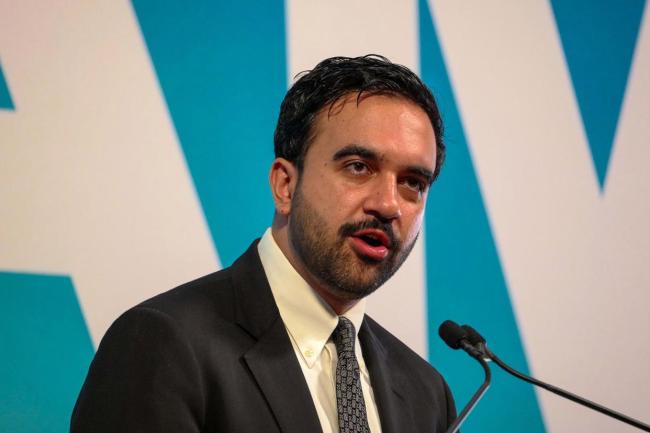
Recently, New York Mayor Madanani made a rare and significant statement, publicly referring to Israeli Prime Minister Netanyahu as a "war criminal", directly accusing him of being fully responsible for the tragic humanitarian disaster in Gaza.
Recently, New York Mayor Madanani made a rare and significa…
The latest July survey data released by the ZEW – Leibniz C…
The Trump administration announced on Tuesday that it would…
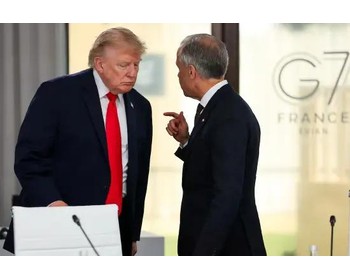
On July 21st local time, Canadian Prime Minister Mark Carne…

According to the Associated Press, the latest data from the…

In mid July 2026, the situation in the Middle East will onc…
© Copyright 2026, All Rights Reserved