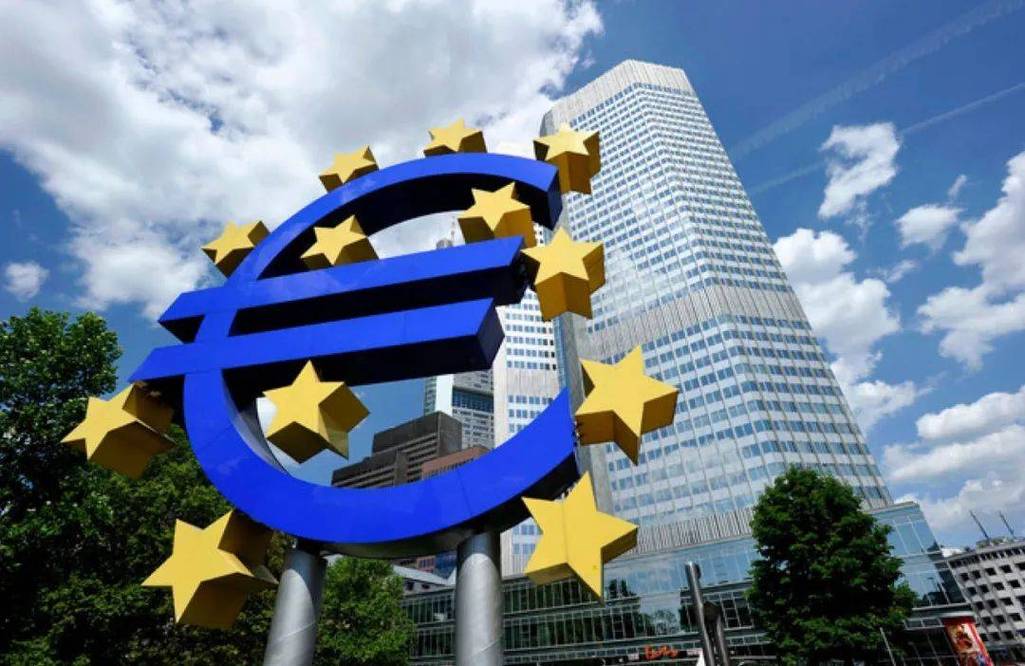
On February 6, the Council of the European Union and the European Parliament reached a provisional agreement on the Net Zero Industry Act, injecting a strong boost into Europe's green transition. According to the agreement, the EU will push for 40% domestic manufacturing of net zero technology products by 2030, covering key areas such as solar photovoltaic panels, wind turbines, and batteries, and requiring an annual carbon capture and storage (CCS) injection capacity of over 50 million tons. As one of the core legislations of the EU's Green Deal industrial plan, the Act optimizes construction permit rules, will create net zero industrial valleys, and clarify public procurement standards, clearing obstacles for clean energy projects.
However, renewable energy development still faces grid connection bottlenecks. A recent report from Aurora Energy Research shows that in 2024, Europe's renewable energy curtailment exceeded 10 terawatt-hours, and it is projected that by 2030, the curtailment in the UK, Spain, and Italy will approach 22 terawatt-hours. Although EU regulations stipulate that the approval period should not exceed two years, the approval process for some projects has been extended to 10 years, and the installed capacity of projects currently awaiting grid connection exceeds 1,000 gigawatts. The problem of negative electricity prices is equally severe. In 2025, countries such as Spain and the Netherlands experienced more than 500 hours of negative electricity prices. Coupled with subsidy reduction policies, this has put continuous pressure on power generators' profitability. To overcome this predicament, Europe needs to invest an additional €600 billion in the power grid by 2030, with cumulative investment reaching €1.5 trillion by 2050.
On February 5th, the European pharmaceutical industry witnessed two major acquisitions. Danish Novo Nordisk announced that its controlling shareholder Novo Holdings would acquire the US CDMO company Catalent for 16.5 billion US dollars in cash. Novo Nordisk then would acquire the three major filling bases of Catalent in Italy, Belgium, and the US for 11 billion US dollars to solve the shortage of sales capacity of semaglutide. Thanks to the strong performance of this star drug, Novo Nordisk's revenue in 2023 increased by 31%, with the sales of the weight loss product Wegovy surging by 407%, but the market demand gap still pushed it to increase its capacity layout.
On the same day, Swiss Novartis announced a 2.7 billion euro acquisition of the German biotech company MorphoSys AG, obtaining core assets such as the bone marrow fibrosis treatment drug pelabresib, and further strengthening its layout in oncology and hematology. This is Novartis's second acquisition this month, after its just completed full acquisition of Crenarion Pharmaceuticals to expand the kidney disease field. Industry analysts pointed out that in the context of the adjustment of the global pharmaceutical innovation cycle, European multinational pharmaceutical companies with cash flow are leveraging mergers and acquisitions to integrate innovation pipelines and respond to market uncertainties.
Microsoft recently announced a 2 billion euro (approximately 2.1 billion US dollars) investment in the French startup Mistral AI to help this "European version of OpenAI" expand its global market. According to the cooperation agreement, the large language model of Mistral AI will be hosted on the Microsoft Azure cloud platform, becoming the second LLM provider hosted on this platform after OpenAI, and will launch a multilingual conversation assistant "Le Chat". Microsoft President Brad Smith emphasized that this investment demonstrates long-term support for European technological innovation and will help Europe build an autonomous AI ecosystem.
It is worth noting that this cooperation coincided with Microsoft's facing an EU antitrust review, and its 13 billion US dollar investment in OpenAI raised competition concerns. Meanwhile, Spanish telecommunications giant Telefónica announced that it would integrate Azure AI Studio into its own digital ecosystem, promoting the application of generative AI in enterprise data processing. The trend of AI integration in the European technology and communication industry is becoming increasingly evident.
The latest data from Eurostat shows that in February 2024, retail trade in the Eurozone decreased by 0.5% compared to the previous month, and the entire EU decreased by 0.4%. Among them, the food, beverage and tobacco categories declined by 0.4%, and the retail of automotive fuel dropped by 1.4%. From a country perspective, the retail decline was significant in countries such as Germany and Belgium, while Poland and Croatia achieved growth of more than 1%. Compared to the same period last year, the retail trade in the Eurozone decreased by 0.7%, and the decline in Belgium, Slovenia, etc. exceeded 5%, while Croatia and Romania achieved growth of more than 8% against the backdrop of the green transition and the penetration of digital technology.
Analysis suggests that the differentiation in the retail market reflects the imbalance of economic recovery in Europe. Fluctuations in energy prices and inflationary pressures still constrain the consumption end. As the green transition progresses and digital technology penetrates, new energy vehicles and smart consumer electronics are expected to become new engines driving retail growth.
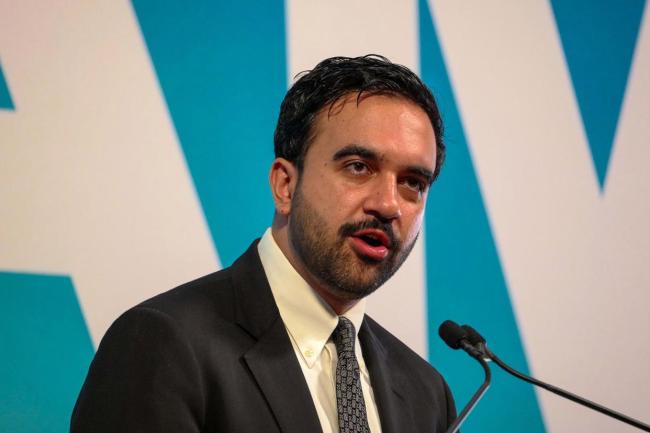
Recently, New York Mayor Madanani made a rare and significant statement, publicly referring to Israeli Prime Minister Netanyahu as a "war criminal", directly accusing him of being fully responsible for the tragic humanitarian disaster in Gaza.
Recently, New York Mayor Madanani made a rare and significa…
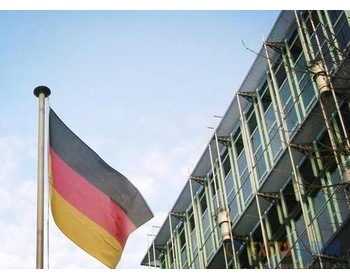
The latest July survey data released by the ZEW – Leibniz C…
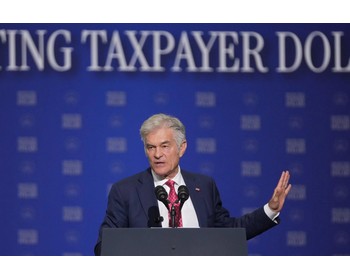
The Trump administration announced on Tuesday that it would…
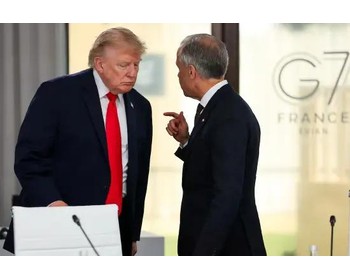
On July 21st local time, Canadian Prime Minister Mark Carne…

According to the Associated Press, the latest data from the…

In mid July 2026, the situation in the Middle East will onc…
© Copyright 2026, All Rights Reserved