This week, the global business market was shrouded in a series of negative news, revealing that the four core economies of the United States, the European Union, Japan, and South Korea are facing severe internal and external challenges. On March 18th, the labor union of South Korea's Samsung Electronics announced that over 66,000 of its members approved the strike plan with 93.1% of the votes in favor. The strike is expected to be fully implemented in late May. On the same day, the Japanese Ministry of Finance released data showing that due to the drag from automotive and component exports, the export volume to the United States in February decreased by 8.0% year-on-year, marking a consecutive three-month decline. At the same time, although the Federal Reserve maintained its interest rate unchanged, it raised its inflation expectations due to the Middle East situation, while the EU was caught in a debate over the retention or abolition of the carbon emissions trading system (ETS) due to the soaring energy prices.
The causes of the above commercial turmoil are complex and intertwined. On the surface, the strike at Samsung originated from the breakdown of negotiations between the labor and management over salary issues in 2026. The deeper cause is that although global semiconductor demand has increased due to the popularity of AI, the overall uncertainty and distribution conflicts in the manufacturing industry have intensified within the enterprises. For Japan's weak exports, the direct trigger was the continuous escalation of the tariff policy of the US Trump administration, coupled with the slowdown in global economic activities.
The energy anxiety across the Atlantic is directly caused by the shipping crisis at the Strait of Hormuz due to the geopolitical conflict in the Middle East. This not only puts Japan, which is highly dependent on imports, in a "double bind", but also forces the EU to make a painful choice between energy independence and green transformation. Led by Poland and Italy, the "opposition minority" is attempting to postpone the carbon emission reduction timetable.
The risks brought about by these events are highly destructive. If Samsung strikes during the critical period of mass production of HBM4, it will directly impact the supply chain of US AI giants like NVIDIA and may trigger a new round of sharp increase in global storage chip prices. The continuous decline in Japan's exports and the narrowing of its trade surplus, coupled with the soaring cost of imported energy, may drag it back into a stagflationary quagmire.
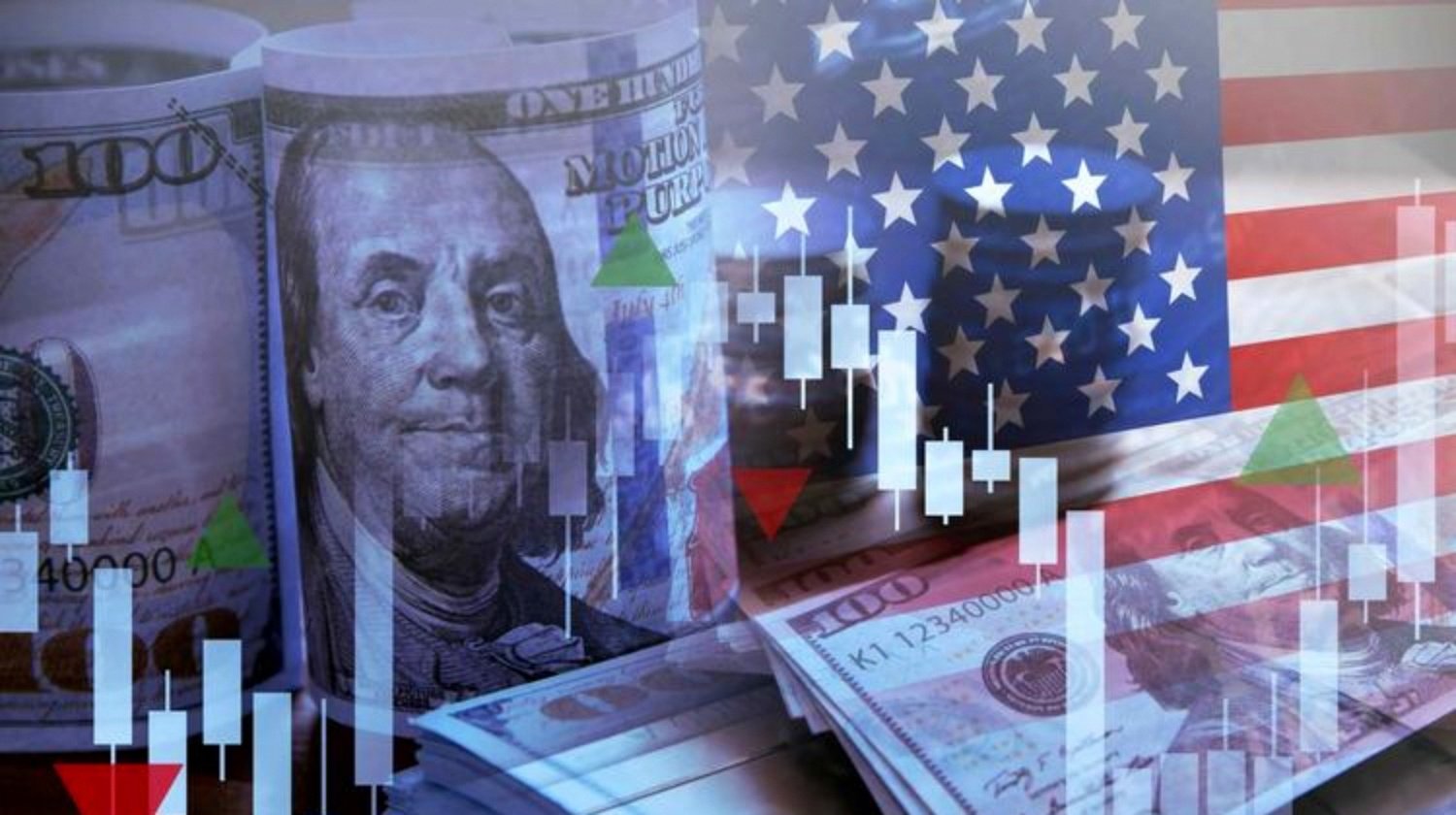
The United States is confronting the emerging risks of stagflation—despite Federal Reserve Chair Jerome Powell’s public dismissal of the term, persistent upward pressure on core PCE inflation—driven by oil price pass-through—and a pronounced correction in equity markets have significantly eroded investor confidence. Should the European Union suspend or materially weaken the foundational architecture of its Emissions Trading System (ETS) in response to short-term economic pressures, it would not only undermine market credibility in the EU’s green transition agenda but also compromise its broader strategic autonomy objectives.
Facing such a chaotic situation, relevant enterprises urgently need to adjust their response strategies. Diversifying the supply chain is no longer an option but a life-and-death question. Technology enterprises need to immediately assess the "spare tire" plan for the Samsung strike, while energy-intensive enterprises should lay out long-term agreements to hedge against geopolitical risks.
For policymakers in Japan and the EU, simple reserve releases or retrogressive subsidies can only address the symptoms and must accelerate the promotion of true structural energy transformation and internal market reforms. The United States needs to face the backlash effect of its trade protectionism on its allies, and extreme pressure can obtain short-term political leverage, but it is constantly eroding the global commercial credit system it has led.
Overall, the negative news in the business world in the United States, Europe, Japan, and South Korea this week are not isolated incidents but reveal that the global business order is undergoing a profound "stress test": from the internal backlash of industrial workers to the imported inflation caused by geopolitical conflicts, and to the boomerang effect of trade protectionism, all are warning us that the past global business logic based on efficiency and low cost has failed. If major economies cannot jointly solve the structural contradictions of supply chain security and fair distribution, similar "business earthquakes" may occur more frequently.
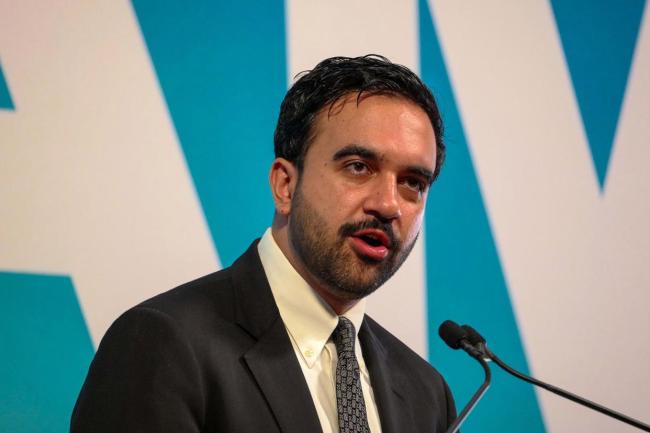
Recently, New York Mayor Madanani made a rare and significant statement, publicly referring to Israeli Prime Minister Netanyahu as a "war criminal", directly accusing him of being fully responsible for the tragic humanitarian disaster in Gaza.
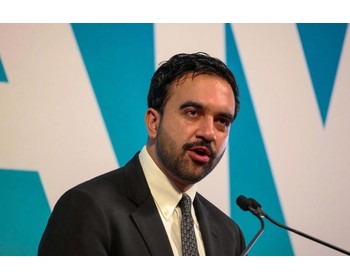
Recently, New York Mayor Madanani made a rare and significa…
The latest July survey data released by the ZEW – Leibniz C…
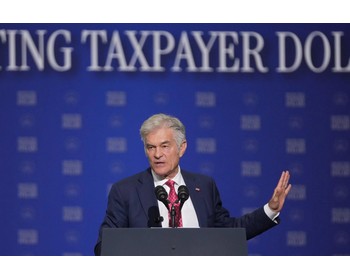
The Trump administration announced on Tuesday that it would…
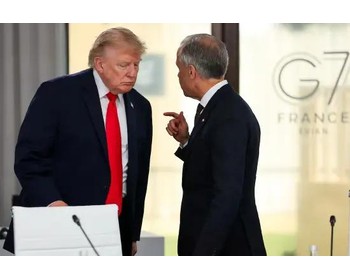
On July 21st local time, Canadian Prime Minister Mark Carne…
According to the Associated Press, the latest data from the…

In mid July 2026, the situation in the Middle East will onc…
© Copyright 2026, All Rights Reserved