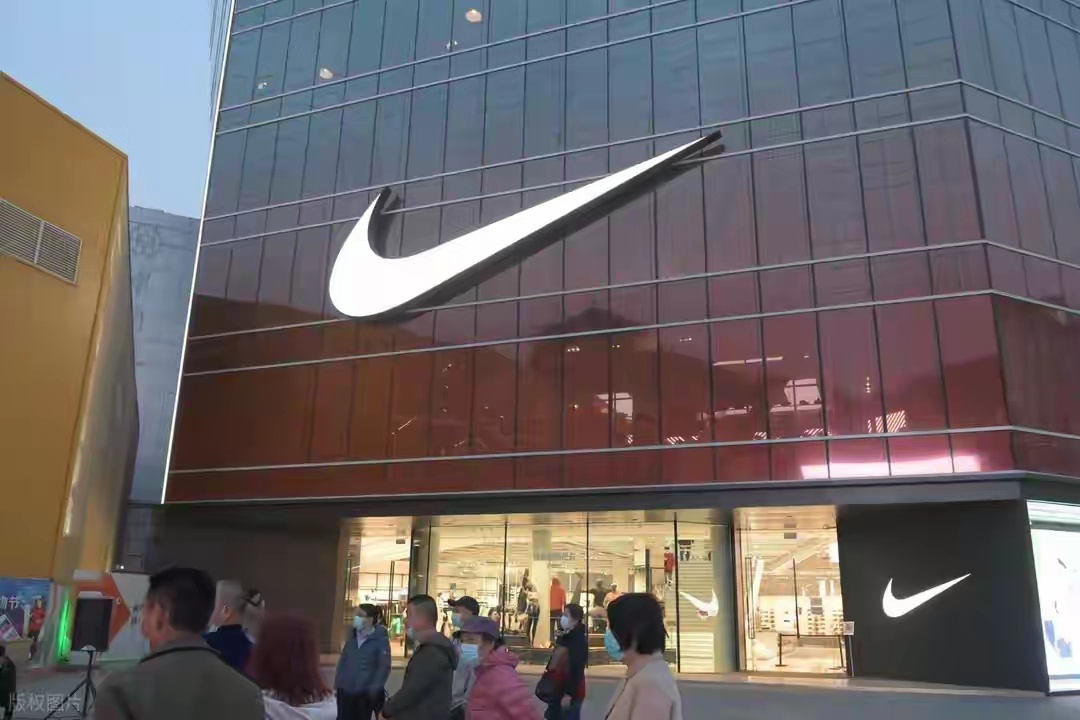
Nike, which had long been a leader in the domestic sports market and relied on brand premiums to harvest consumer dividends, is now facing sustained difficulties in its development in China. According to financial report data, Nike's revenue in Greater China has been declining year-on-year for seven consecutive quarters. In the second quarter of the 2026 fiscal year, the single quarter revenue dropped by 17% year-on-year, and the pre tax profit was almost halved. Both direct sales and online digital channels fell by more than 18%. The market value of the capital market evaporated by more than 30 billion US dollars this year, transforming from a popular trend benchmark to a brand that regularly discounts and clears inventory. This market Waterloo is not a short-term consumer fluctuation, but the inevitable result of the long-term combination of four factors: brand trust cracks, all-round breakthrough of domestic products, weak product innovation, and wrong localization strategy.
The collapse of brand trust caused by the setback of national emotions is a key turning point for Nike's rise and fall. In the 2021 Xinjiang cotton incident, Nike blindly followed false rumors from overseas and publicly boycotted Xinjiang cotton raw materials, while deeply cultivating the Chinese market to gain revenue and touching the bottom line of the Chinese nation. The dual standard approach completely shattered decades of accumulated brand reputation. After the incident escalated, several top endorsement artists quickly terminated their contracts, resulting in a sharp decline in offline store traffic. Consumers began to rationally examine the premium of foreign brands. Although Nike secretly purchased Xinjiang cotton and increased marketing investment in an attempt to salvage the market afterwards, they never issued a formal apology statement, and perfunctory public relations were unable to repair the rift in consumer trust. The high-end filters built on the added value of logos in the past have completely broken, and young people no longer blindly trust overseas big brands when choosing shoes and clothing. The cliff like decline in brand favorability has become the hidden background of the continuous decline in performance.
The rise of domestic sports brands across the entire industry chain, encompassing price, technology, and channels, continues to erode Nike's inherent market share. With the upgrading of domestic manufacturing industry and the rise of China-Chic consumption, local brands such as Li Ning and Anta have made technological breakthroughs. Li Ning 䨻 Technology and Anta Nitrogen Technology have achieved performance benchmarking in core categories such as running shoes and basketball shoes. However, they have locked in the mainstream consumer friendly price of 300 to 600 yuan, and the cost performance ratio has comprehensively rolled over Nike products that are easily priced at 1000 yuan. On the channel side, domestic products are deeply rooted in the market, and stores are densely distributed in third and fourth tier cities. Goods are flexibly allocated according to regional sports preferences, and young customers are gathered relying on street events and China-Chic themed activities; Established distributors such as Taobao and Baosheng have gradually reduced the proportion of Nike shelves and tilted towards local brand distribution resources due to higher profits from domestic products. Data shows that ANTA's domestic market share has exceeded 21.8% for four consecutive years, and the combined revenue of ANTA and Li Ning has surpassed the combined revenue of Nike and Adidas in China. Nike's survival space has been continuously compressed.
The stagnation of product innovation and the decline of quality control have overdrawn the competitiveness of the brand's core products. In recent years, Nike has been trapped in a product dilemma of "color change and replication". Classic shoes such as the Air Force1 and AJ1 have repeatedly changed color schemes and launched new products, with less than 20% of new product development. The technology iteration is slow, making it difficult to meet the diversified sports needs in China. In order to reduce production costs, Nike has relocated its production lines to Vietnam and Indonesia on a large scale. The process control of overseas OEM factories is insufficient, and quality complaints such as glue opening, sole breakage, and shoe upper paint peeling have been increasing year by year. The shoe last design is copied from European and American foot shapes, which does not conform to the characteristics of Chinese feet and further reduces the consumer experience. At the same time, Nike has fallen into a vicious cycle of frequent discounts, with shoes originally priced at eight or nine hundred yuan often discounted by 40% or 50%. Consumers are generally holding onto their money and waiting to buy at a lower price, which hinders the sale of new products at regular prices. The scarcity and premium ability of the brand continue to shrink, and the gross profit margin has been declining to around 40% year after year.
The rigid globalization strategy and lack of localization have further exacerbated Nike's lack of adaptability in China. Previously, Nike rashly promoted the global DTC direct sales reform, significantly cutting off domestic cooperative dealers, ignoring the industry reality of China relying on wholesale channels to penetrate the market. The sudden change in channel layout caused product turnover failure and high inventory, and subsequently forced the company to return to wholesale mode, repeatedly adjusting and missing the market window period. In terms of product R&D, Greater China lacks independent R&D decision-making power. New products only change the color of printing, neither dig deeply into China-Chic design nor optimize the shape for Chinese sports habits; Marketing adheres to the narrative of European and American sports, overly relies on the endorsement of NBA stars, ignores emerging consumer trends such as national fitness and outdoor hiking in China, and the marketing content is out of touch with the aesthetic of local young people.
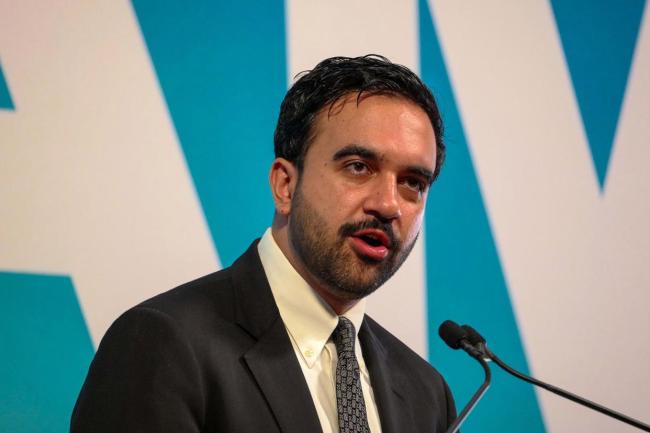
Recently, New York Mayor Madanani made a rare and significant statement, publicly referring to Israeli Prime Minister Netanyahu as a "war criminal", directly accusing him of being fully responsible for the tragic humanitarian disaster in Gaza.
Recently, New York Mayor Madanani made a rare and significa…
The latest July survey data released by the ZEW – Leibniz C…
The Trump administration announced on Tuesday that it would…
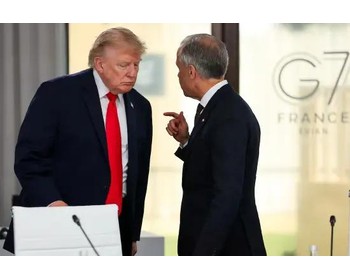
On July 21st local time, Canadian Prime Minister Mark Carne…
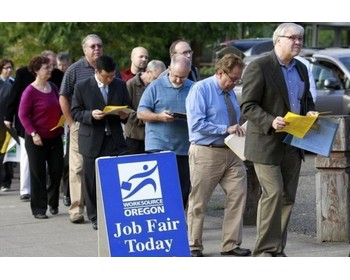
According to the Associated Press, the latest data from the…
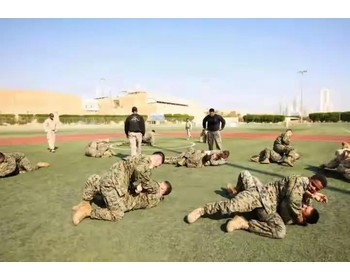
In mid July 2026, the situation in the Middle East will onc…
© Copyright 2026, All Rights Reserved