Recently, the US and Iran have reached a peace understanding agreement. The long-term tense geopolitical situation in the Middle East has eased, the Hormuz Strait has resumed normal navigation, and the previous crude oil supply crisis that plagued the global market has been completely alleviated. International oil prices have subsequently dropped significantly. The Middle East, as the core hub of global energy trade, a stable situation not only means the cessation of local conflicts but also has broken through the key bottlenecks in global commercial circulation. From six aspects including cross-border logistics, manufacturing imports and exports, trade balances of various countries, global investment and trade cooperation, and global price stability, it has brought continuous and comprehensive benefits to international business and international trade, effectively stimulating the recovery of global trade.
Firstly, the impact on cross-border logistics costs. The Hormuz Strait undertakes nearly 40% of global crude oil transportation and a large amount of chemical, mineral, and daily goods. During the previous geopolitical confrontation, the shipping channel was restricted, and a large number of ships were forced to take a detour around the Cape of Good Hope, with the voyage length increasing by more than 30%. Fuel consumption, ship insurance, and freight delivery time were all under pressure. The logistics costs of foreign trade enterprises rose significantly. After the peace agreement was implemented, the maritime blockade was lifted, and oil tankers, container ships, and dry bulk carriers stranded in the Gulf resumed direct navigation. The additional expenses caused by detour completely disappeared. On one hand, shipping companies' fuel expenditures significantly decreased, and the high war insurance fees caused by geopolitical conflicts were significantly reduced. Major shipping companies successively cancelled additional fuel surcharges. Importers and exporters directly reduced their shipping costs. Whether it is the ocean transportation of bulk commodities or the export of small items of cross-border e-commerce, logistics expenses were simultaneously reduced. The threshold for small and medium-sized foreign trade enterprises to go global was lowered. On the other hand, port congestion and goods backlog problems gradually eased. The turnover efficiency of trade routes between Europe, Asia, and Southeast Asia significantly improved, the order delivery cycle was shortened, and the vitality of global commodity circulation fully recovered. International air freight also benefited. Aviation kerosene followed the decline in crude oil prices, and the costs of high-speed air transportation of high-end components, fresh produce, and urgent parcels decreased. The scale of cross-border high-speed trade continued to grow.
Secondly, the impact on import and export trade. Crude oil is a fundamental raw material for modern industry, and most foreign trade products such as plastics, chemical fibers, rubber, coatings, fertilizers, and automotive parts rely highly on crude oil derivatives. The US-Iran reconciliation led to a significant drop in international oil prices, and energy-importing countries' manufacturing industries received real cost benefits. The global import and export competition pattern was reshaped. For economies such as China, the European Union, Japan, and India that are highly dependent on crude oil imports, the procurement expenditures of raw materials for export-oriented industries decreased. After production costs were compressed, enterprises had greater pricing space when bidding for overseas orders and did not need to transfer costs through price hikes. The export advantages of mechanical and electrical products, plastic products, and household daily necessities continued to expand. Taking chemical exports as an example, the prices of basic chemical raw materials such as polyethylene and polyester decreased, and overseas orders for chemical intermediates and packaging materials steadily increased; the cost of rubber and plastic auxiliary materials in the automotive manufacturing industry declined, and the export quotations for complete vehicles became more affordable, and overseas market demand continued to be released.
Furthermore, monetary policies have also entered an era of warming. After the implementation of the US-Iran peace agreement and the significant decline in oil prices, the upward pressure on raw material prices at the upstream decreased, and the factory prices of industrial products gradually fell. Global inflation expectations continued to cool down. The pressure on countries to tighten monetary policies significantly eased, the expectation of interest rate cuts rose, and global market liquidity became more relaxed. The loan costs for cross-border enterprises to build factories overseas, cross-border mergers and acquisitions, and overseas warehouse layout decreased, and the willingness of global foreign direct investment recovered; the trade financing threshold for small and medium-sized foreign trade enterprises was lowered, and the pressure of funds for stockpiling and expanding overseas channels was reduced. The flow of capital in the capital market continued to improve, and capital flowed out of high-volatile sectors such as oil extraction and into sectors benefiting from the agreement, such as aviation, cross-border logistics, export manufacturing, and consumer exports. The investment and financing activity in the global commercial field continued to increase.
In conclusion, the implementation of the US-Iran peace agreement and the alleviation of the supply crisis in the Middle East have brought positive impacts throughout the entire global commercial trade chain. Global business and trade have shaken off the continuous disturbances caused by geopolitical conflicts and are now entering a development window period characterized by low costs, high circulation, and stable expectations. This has injected crucial impetus for the steady recovery of the global economy in the post-inflation era.

Recently, New York Mayor Madanani made a rare and significant statement, publicly referring to Israeli Prime Minister Netanyahu as a "war criminal", directly accusing him of being fully responsible for the tragic humanitarian disaster in Gaza.

Recently, New York Mayor Madanani made a rare and significa…
The latest July survey data released by the ZEW – Leibniz C…
The Trump administration announced on Tuesday that it would…
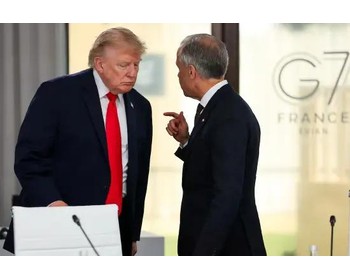
On July 21st local time, Canadian Prime Minister Mark Carne…

According to the Associated Press, the latest data from the…

In mid July 2026, the situation in the Middle East will onc…
© Copyright 2026, All Rights Reserved