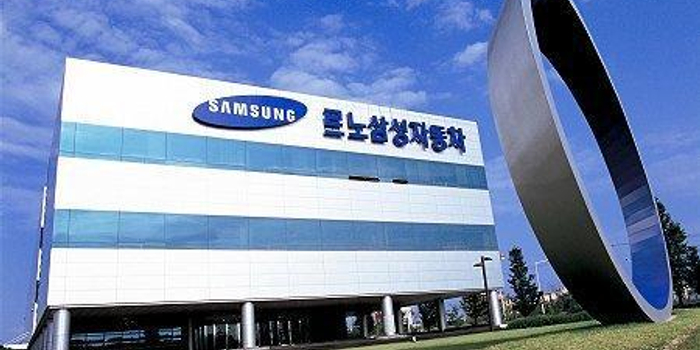
On April 24th, a brief dispatch from Caixin reported a chilling scene of danger in the global semiconductor industry with almost cold figures. The dispatch stated: "The union claims that due to the strike, Samsung's chip production in South Korea dropped by 58% during the Thursday night shift, and the production of storage chips dropped by 18% during the same period." Just one day later, the massive rally of tens of thousands of people in front of the Samsung semiconductor factory in Pyeongtaek, South Korea, announced in the most direct way to the world: The engine that drives the computing power of the artificial intelligence era, its internal human screws are beginning to loosen one by one.
The background of this event is highly ironic. Samsung Electronics' previously announced quarterly results were dazzling, with operating profit surging by 755% year-on-year, setting a new record high. The "super cycle" of memory triggered by the AI boom is pushing the company to the peak of profitability. However, behind the shiny financial reports lies boiling public resentment. Since the beginning of this year, hundreds of chip engineers have left their jobs with their skills due to severe salary distribution imbalance, joining competitors SK Hynix. On one hand, there is the joyous profit myth in the capital market, while on the other hand, there are tens of thousands of frontline producers feeling completely forgotten.
The cause that triggered this intense upheaval is concentrated in the psychological imbalance of "not worrying about scarcity but worrying about inequality". The core demand of the union is extremely straightforward: requiring the company to allocate 15% of its operating profit as performance bonuses and to abolish the existing bonus cap. The management, however, attempts to soothe the situation with a 10% profit distribution and a 6.2% salary increase plan, which forms a sharp contrast with SK Hynix's generous cancellation of the bonus cap. As one departing engineer lamented, her income at the new employer is 3.5 times that of Samsung, and the total salary gap is expected to widen to nearly 10 times this year. When the "generate power with love" demand collides with the real gold and silver of competitors, the brain drain becomes the last straw on the negotiating table.
However, this is not a "domestic affair" that can be contained within a fence. Its risks have already spilled beyond financial indicators and begun to erode the physical foundation of global hard technology. As the absolute dominant player in the global market with approximately 36% of the dynamic random access memory and 32% of the flash memory, any pause in one of Samsung's production lines is sufficient to cause a storm in the tense global chip supply chain. Institutional analysis shows that a complete strike lasting 18 days could potentially disrupt the global storage chip supply chain. In the current situation where high-end chip manufacturing still heavily relies on precise human operation, the infrastructure that sustains the AI computing power frenzy is being influenced by people's emotions, which not only increases the risk of chip prices but also exposes the systemic vulnerability of the wealth distribution structure in the technology industry.
Facing this artificial crisis that could tear open the cracks in the foundation of AI hardware, the superficial public relations appeasement has already become pale and ineffective. The core solution still lies in establishing a benefit-sharing mechanism that truly allows productivity to share the dividends of the era, rather than merely relying on cold automated equipment to isolate voices. If technology giants still indulge in using profits for share buybacks and nurturing capital bubbles, but are reluctant to nourish the technological talents that create value, then similar "chip coup" scenarios may still repeat elsewhere.
Overall, Samsung's shutdown is not just a labor dispute story; it is like a glaring mirror, reflecting the extremely distorted distribution logic of the global technology industry: AI computing power, as a national strategic asset, is rapidly appreciating in value, but the living people driving it are experiencing depreciation anxiety. When the center of algorithms is no longer the human heart, even the most precise chips will eventually be blocked by angry counting beads in the rotating gears.
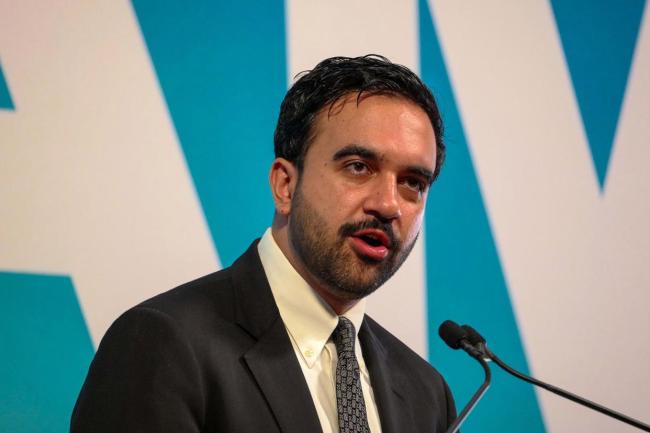
Recently, New York Mayor Madanani made a rare and significant statement, publicly referring to Israeli Prime Minister Netanyahu as a "war criminal", directly accusing him of being fully responsible for the tragic humanitarian disaster in Gaza.
Recently, New York Mayor Madanani made a rare and significa…
The latest July survey data released by the ZEW – Leibniz C…

The Trump administration announced on Tuesday that it would…
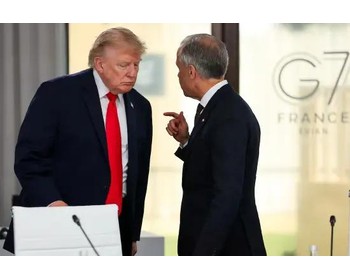
On July 21st local time, Canadian Prime Minister Mark Carne…

According to the Associated Press, the latest data from the…

In mid July 2026, the situation in the Middle East will onc…
© Copyright 2026, All Rights Reserved