
At the start of 2026, the U.S. business sector presents a complex landscape characterized by "intertwined strong expectations and weak realities, alongside coexisting new growth drivers and long-standing bottlenecks." Goldman Sachs' optimistic forecast of 2.9% full-year GDP growth stands in stark contrast to the slowing business activity indicated by S&P PMI data, while the explosive application of AI technology unfolds concurrently with structural predicaments in the real estate market. Against the macro backdrop of easing inflation and rising expectations of Federal Reserve interest rate cuts, the U.S. business world is undergoing a profound restructuring of growth.
The "dual-track divergence" in economic growth has emerged as the most prominent feature. According to a Goldman Sachs report, business investment is set to become the core engine with a growth rate exceeding 5%—double the consensus expectation—supported by three key pillars: AI-related spending, tax incentive policies, and relaxed financial conditions. Manufacturing performance is particularly impressive: the S&P Global Manufacturing PMI rose to 51.9 in January, with output growth reaching its fastest pace since August last year. Benefiting from the sustained impact of the Inflation Reduction Act and the CHIPS Act, investment momentum remains robust in areas such as information technology and high-end manufacturing. However, residential investment continues to lag, with single-family housing starts struggling to break the 1 million unit threshold. Four structural constraints—rising vacancy rates, a sharp decline in immigration, poor affordability, and labor shortages—create an expectation gap with the National Association of Realtors (NAR)'s projection of 14% sales growth.
The "two-speed development" in the technology sector reflects the growing pains of transformation. Microsoft leads the giants with a 17% revenue increase and a 60% surge in net profit, while the 29% year-on-year growth of its intelligent cloud business validates the enormous potential of AI commercialization—its AI business scale has now surpassed its core traditional operations. Meta also delivered a strong quarterly performance with 24% revenue growth and plans to invest $115-135 billion in advancing its "Superintelligence Lab" project. In contrast, Tesla's full-year revenue declined by 3%, net profit plummeted by 46%, and deliveries fell for the second consecutive year, forcing the company to increase its AI computing power layout through the acquisition of xAI preferred shares. Amazon launched a new round of layoffs affecting 16,000 employees, optimizing its organizational structure while focusing on improving core business efficiency. The technology sector is accelerating its transition toward high-quality, AI-driven growth.
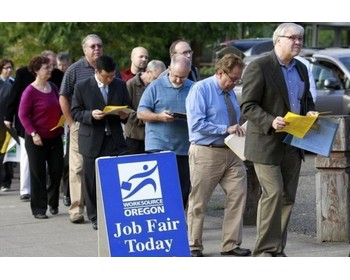
The consumer market demonstrates resilience amid emerging concerns. Retail sales during the 2025 holiday season rose 0.6% month-on-month, exceeding expectations, with strong performance in segments such as online retail and sporting goods. Brands like Lululemon and Abercrombie & Fitch reported better-than-expected results. However, behind the growth lies significant structural divergence: low-income households face mounting financial pressures due to high prices and weak employment. S&P PMI data shows that U.S. job growth nearly stagnated in January, with the services sector employment index edging up only to 50.4. Businesses are adopting a cautious approach to hiring amid cost pressures and demand uncertainties, a trend that could constrain consumer growth potential in 2026. While inflation shows positive signs—core PCE is projected to fall from 3% to 2.1%—tariff factors continue to drive up manufacturing input prices, and price pressures have not yet fully dissipated.
Subtle changes in policy and financial conditions have become key variables. Goldman Sachs predicts the Federal Reserve will cut interest rates by 25 basis points each in June and September, lowering the federal funds rate target range to 3-3.25%. This easing expectation provides support to the bond market. Policy stability is enhanced in the election year, with the White House likely to maintain existing tariff policies and avoid introducing major fiscal stimulus, reducing market uncertainty. However, geopolitical risks and AI's impact on the labor market remain cause for caution. Goldman Sachs warns that AI could lead to a net loss of 20,000 jobs per month in vulnerable industries in 2026. While the creation of new positions will offset some of this impact, the net effect will test the resilience of the labor market.
From an investment perspective, market opportunities are concentrated in three key areas: AI industrial chain and capital expenditure beneficiary sectors, such as information technology and high-end manufacturing; fixed-income assets amid falling inflation; and discretionary consumer sectors expected to benefit from interest rate cuts. However, risks cannot be ignored—structural contradictions in the real estate market, employment volatility caused by AI disruption, and potential geopolitical impacts on trade policies could all emerge as black swan events disrupting the market.
The U.S. business world in 2026 stands at the crossroads of technological revolution and cyclical transition. The new AI-driven growth engine has accelerated, yet structural bottlenecks in traditional sectors remain unaddressed. Consumer resilience coexists with employment pressures, while policy easing intersects with inflation risks. For businesses and investors, seizing structural opportunities amid growth divergence and anchoring core trends amid uncertainty will be the key to navigating the cycle successfully.
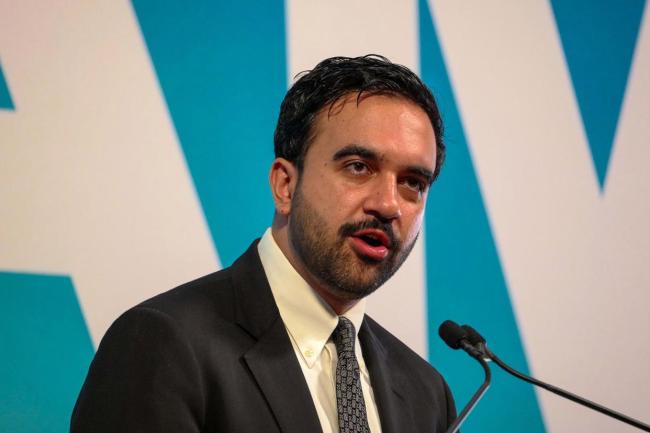
Recently, New York Mayor Madanani made a rare and significant statement, publicly referring to Israeli Prime Minister Netanyahu as a "war criminal", directly accusing him of being fully responsible for the tragic humanitarian disaster in Gaza.
Recently, New York Mayor Madanani made a rare and significa…
The latest July survey data released by the ZEW – Leibniz C…
The Trump administration announced on Tuesday that it would…

On July 21st local time, Canadian Prime Minister Mark Carne…
According to the Associated Press, the latest data from the…

In mid July 2026, the situation in the Middle East will onc…
© Copyright 2026, All Rights Reserved