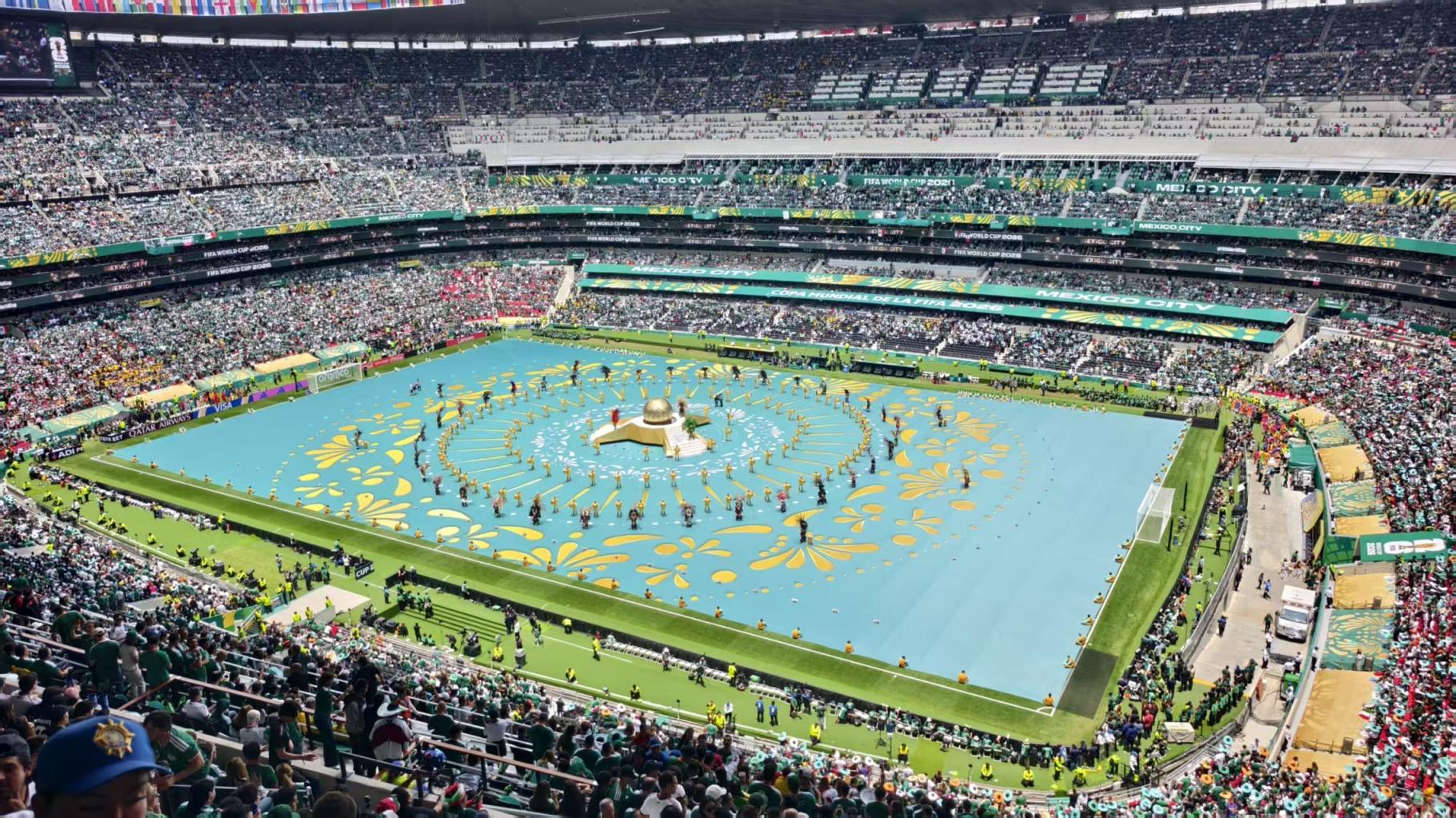
The opening of the 2026 FIFA World Cup in the United States, Canada and Mexico is not only a global football competition event, but also a super commercial experiment that reshapes the logic of sports business and drives the global economic chain. As the first World Cup jointly hosted by three countries, with 48 participating teams and 104 matches, its core model is "light asset operation, global monetization, and regional empowerment", making it a benchmark sample of global sports business and reflecting the new trends and challenges in the commercial operation of large-scale international events.
The commercial scale of this World Cup has set a historical record, becoming the "strongest money-printing machine" of FIFA. FIFA predicts that the total revenue for the 2023-2026 cycle will reach 13 billion US dollars, a 72% increase compared to the Qatar World Cup. The revenue structure shows that broadcasting rights account for 44% and rank first, with the North American time zone covering the prime time of Europe and America, allowing Fox and other media to secure high-priced copyrights, generating nearly 4 billion US dollars in revenue; tickets and premium catering services account for 34%, with 104 matches driving the doubling of venue seats, and the revenue of premium packages surging by 216%, expected to reach 3 billion US dollars; brand sponsorship accounts for 20%, with technology and financial enterprises replacing traditional fast-moving consumer goods as the main force, and 16 top sponsorship slots being sold out in advance. This multi-income loop confirms the global monetization ability of top sports IPs.
The joint hosting model of the three North American countries has created a new commercial paradigm for large-scale events of "cost-sharing and benefit-sharing". Different from the large-scale infrastructure investment of the Qatar and Brazil World Cups, the United States, Canada and Mexico rely on existing venues and have only invested approximately 1 billion US dollars in capital, belonging to a typical "light asset" model. The United States hosts 78 core matches and enjoys about 17 billion US dollars in economic increment; Mexico upgrades infrastructure through the event, and the tourism appeal has long been enhanced; Canada expands football influence through this event, and the three countries collaborate to share risks and amplify regional dividends. This model avoids "white elephant projects" waste and promotes the deep integration of cross-border transportation and business rules in North America, accelerating regional economic integration, and providing a model for future multi-country joint hosting events.
The radiation effect of the event economy is deeply activating the global industrial chain and consumption market. Deutsche Bank estimates that this World Cup will drive a total global output of 80.1 billion US dollars and create over 820,000 full-time jobs, covering multiple fields such as tourism, retail, and technology. Local consumption in North America has significantly increased, with hotels, airlines, and restaurants experiencing peak orders; globally, IP derivatives, joint products, digital collectibles, and other new forms of products are selling well, and the boundaries of sports consumption continue to expand. At the same time, the event forces technological upgrades, such as VR watching, AI referees, and big data marketing, accelerating the integration of technology and sports business, and giving rise to new growth sectors.
Behind the prosperity, the commercial operation of this World Cup hides structural challenges. On one hand, the expansion of teams leads to a sharp increase in the density of the event, and younger audiences prefer fragmented viewing through short videos, with traditional 90-minute live broadcasts experiencing a decline in viewership, directly threatening the long-term value of broadcasting rights; on the other hand, FIFA's high pricing of copyrights has triggered negotiations deadlock in some regions for broadcasting rights, and the globalization expansion has been hindered. In addition, after the short-term consumption boom, how to convert event traffic into long-term brand assets and avoid economic "pulse-like fluctuations" remains a core question for global sponsors and host countries.
In essence, the 2026 World Cup in the United States, Canada and Mexico is not only a commercial feast but also an exploration of the synergy of globalization and regionalization, and the integration of traditional IPs and digital ecosystems. Its "light asset to reduce risks, strong IP to expand revenue, cross-region to promote collaboration" model provides a reference path for global large-scale events. In the future, the core competitiveness of sports business will lie in balancing short-term traffic monetization and long-term value accumulation, and balancing global market expansion and regional deepening. This football field-based commercial experiment will continue to write new stories of global industrial upgrading.
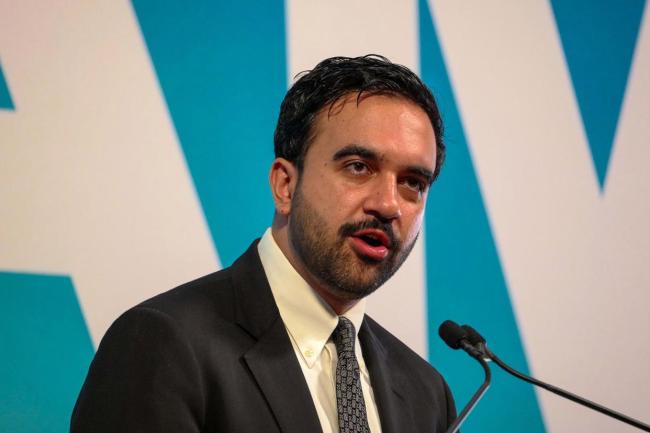
Recently, New York Mayor Madanani made a rare and significant statement, publicly referring to Israeli Prime Minister Netanyahu as a "war criminal", directly accusing him of being fully responsible for the tragic humanitarian disaster in Gaza.
Recently, New York Mayor Madanani made a rare and significa…
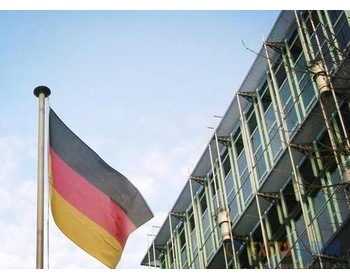
The latest July survey data released by the ZEW – Leibniz C…
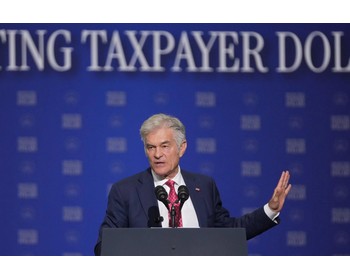
The Trump administration announced on Tuesday that it would…
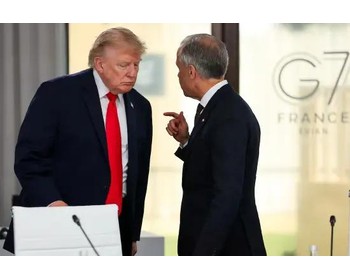
On July 21st local time, Canadian Prime Minister Mark Carne…

According to the Associated Press, the latest data from the…

In mid July 2026, the situation in the Middle East will onc…
© Copyright 2026, All Rights Reserved