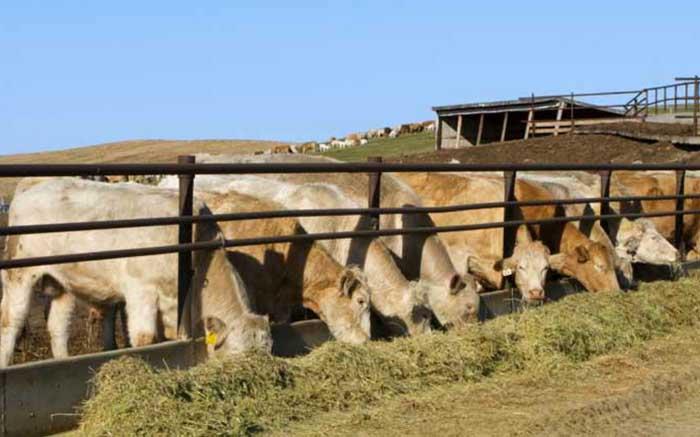
According to the New Zealand media "Rural News Group", the price of farm beef in New Zealand has been continuously rising recently, and it is expected to reach a record high in early 2026. This trend has not only attracted widespread attention from the industry but also triggered many thoughts and discussions in the business field.
Currently, the price of farm beef in New Zealand has reached a historical high and shows no sign of falling. Taking the North Island bull market as an example, by February, its benchmark price had risen to $9.65 per kilogram (CWT), accompanied by a premium phenomenon, and the prices of some producers may even approach $10 per kilogram. This price level undoubtedly has a profound impact on the New Zealand beef industry and its related supply chain.
Jen Corkran, an animal protein analyst at Rabobank, pointed out that strong overseas demand is an important factor supporting the continuous high price of farm beef in New Zealand. Indeed, with the recovery of the global economy and the increase in consumers' demand for high-quality meat, New Zealand beef, with its excellent taste and safe quality, has gained wide recognition in the international market. However, is this growth in demand sustainable? Once the global economy experiences fluctuations or consumer preferences change, will the New Zealand beef industry be able to quickly adjust its strategies to cope with potential market risks?
Further analysis shows that the average export price of New Zealand beef reached $12.42 per kilogram in December 2025, setting a new record. This data not only reflects the strengthening of the currency exchange rate at that time, but also highlights the situation of global beef market's shortage of supply. However, currency exchange rate fluctuations are normal, and the growth of global demand is not unlimited. While enjoying the current market dividends, should the New Zealand beef industry pay more attention to long-term market stability and sustainability? How to build a more diversified market layout and reduce reliance on a single market or a single demand is an important issue facing the industry.
Matt Dillie, an agricultural economist at ANZ Bank, stated that the continuous rise in beef prices on farms and in the market is attributed to the strong overseas demand and the good conditions of the ranches. However, this seemingly optimistic situation hides risks that cannot be ignored. On one hand, the good conditions of the ranches are seasonal and once faced with extreme weather or natural disasters, ranch production will be severely affected, thereby pushing up beef prices and even triggering market panic. On the other hand, does the strong overseas demand mean that the New Zealand beef industry has lost focus on the domestic market? In the context of globalization, the stability and development of the domestic market are equally crucial. Should the New Zealand beef industry, while expanding international markets, also pay more attention to the cultivation and development of the domestic market?
Corkran also mentioned that the summer in New Zealand provides very favorable conditions for the growth of grass across the country. This indeed provides strong support for the beef industry. However, this natural condition advantage is not unique to New Zealand. Other countries are also improving ranch conditions through technological means to increase beef production. Therefore, the New Zealand beef industry should not rely solely on the advantages of natural conditions but should focus more on scientific and technological innovation and industrial upgrading to increase production efficiency, reduce costs, and enhance its market competitiveness.
Furthermore, the continuous rise in the price of farm beef may also have an impact on New Zealand's inflation rate. Beef, as an important category of daily consumption for residents, the increase in its price will directly push up the cost of residents' lives, and may trigger a series of social and economic problems. Therefore, the government and relevant institutions should pay attention to the development of the beef industry while also closely monitoring its impact on the social economy, and take timely measures to maintain market stability and social harmony.
In conclusion, the price of farm beef in New Zealand will reach a record high in early 2026, and this trend implies both market opportunities and potential risks. While enjoying the current market benefits, the New Zealand beef industry should pay more attention to the long-term market stability and sustainability, establish a diversified market layout, and focus on technological innovation and industrial upgrading to cope with potential market challenges in the future.

Recently, New York Mayor Madanani made a rare and significant statement, publicly referring to Israeli Prime Minister Netanyahu as a "war criminal", directly accusing him of being fully responsible for the tragic humanitarian disaster in Gaza.

Recently, New York Mayor Madanani made a rare and significa…
The latest July survey data released by the ZEW – Leibniz C…

The Trump administration announced on Tuesday that it would…

On July 21st local time, Canadian Prime Minister Mark Carne…

According to the Associated Press, the latest data from the…

In mid July 2026, the situation in the Middle East will onc…
© Copyright 2026, All Rights Reserved