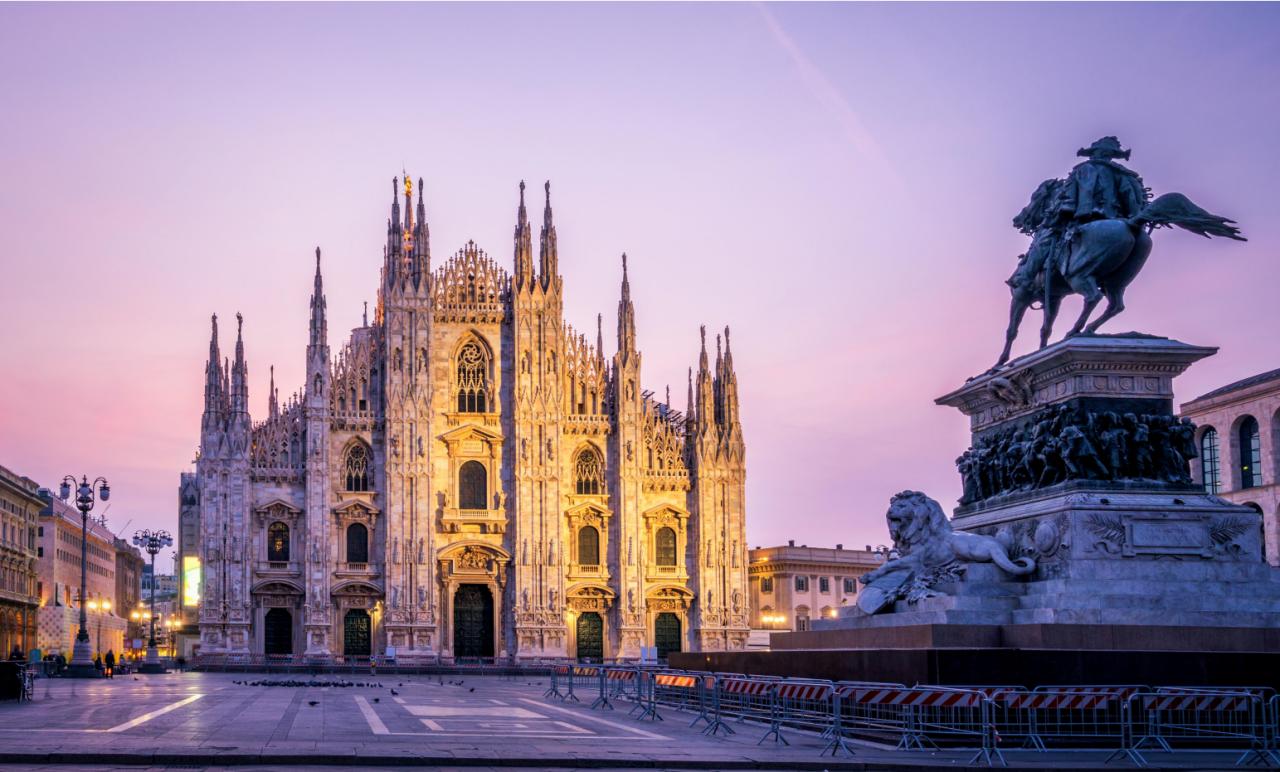
Italian industry has recently issued another strong appeal to the government, demanding an acceleration of renewable energy development to address persistently high energy costs and economic pressures from external energy shocks. The Italian Confederation of Industry (Confederation of Italian Industries), a business lobbying group, has stated publicly that the current energy structure is already placing a significant burden on business competitiveness and household living costs. Without prompt reforms to approval processes and energy policies, Italy risks further falling behind in Europe's energy transition.
This appeal is closely related to recent volatility in the international energy market. The rise in natural gas prices triggered by the Iran-Iraq War has again increased Italy's energy costs, exposing the country's over-reliance on natural gas. Data shows that natural gas still accounts for nearly half of Italy's electricity production, one of the highest proportions in the EU. In comparison, Spain's figure is about one-fifth, while France, due to its high proportion of nuclear power, has only about 3% natural gas. This structural difference makes Italy more vulnerable to energy price fluctuations.
Against this backdrop, Confederation of Italian Industries President Emanuele Orsini called on the government to take "urgent action" to accelerate the approval and construction of renewable energy projects. He proposed a key suggestion: appoint a "special commissioner" specifically responsible for accelerating the approval process for renewable energy projects, similar to the approach taken during the 2022 energy crisis to expedite natural gas infrastructure construction, in order to address the current bottlenecks in the green transition. Speaking at an event in the northern city of Varese, he pointed out that Italy currently has approximately 4,000 renewable energy projects under review, with a total installed capacity of about 130 gigawatts. He argued that if these projects cannot be expedited, it will severely impact the country's energy transition goals.
Orsini also warned that if energy costs remain high, Italian manufacturing may face the risk of relocation. Some companies might choose to move to countries with lower energy prices, thereby weakening Italy's industrial base and job market. Therefore, he not only emphasized domestic reforms but also called for the establishment of a unified electricity market at the EU level to improve the overall efficiency and coordination of the energy system.
In fact, this is not the first time Italy has adopted "special measures" during an energy crisis. During the 2022 energy crisis triggered by the Russia-Ukraine conflict, the government established a special commissioner to accelerate the construction of liquefied natural gas (LNG) receiving terminals and promote the diversification of natural gas import sources. This experience is seen by industry as a replicable success model for addressing the current challenges in renewable energy approvals.
Energy experts point out that a key reason for the slow development of renewable energy in Italy lies in the overlapping responsibilities between the central and local governments, leading to complex and lengthy approval processes and inefficient project implementation. This is particularly true for wind power projects, with offshore wind farms experiencing the most severe delays, becoming a significant bottleneck hindering energy transition.
A recent report from an offshore wind industry organization states that if the government can deliver on existing incentive policies and simplify approval processes, offshore wind power could potentially meet approximately 7% of Italy's electricity demand by 2030. This potential demonstrates the sector's importance for energy structure transformation and further highlights the opportunity cost of current policy obstacles.
Overall, this discussion surrounding renewable energy is no longer merely an environmental issue, but a core concern directly related to Italy's economic competitiveness, industrial stability, and energy security. Industry hopes to accelerate the replacement of traditional fossil fuels with green energy through more efficient administrative reforms and bolder policy interventions, thereby reducing costs, stabilizing supply, and enhancing competitiveness in the European market.
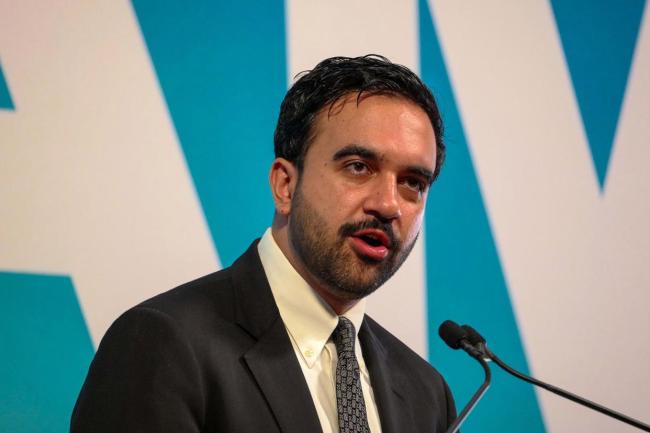
Recently, New York Mayor Madanani made a rare and significant statement, publicly referring to Israeli Prime Minister Netanyahu as a "war criminal", directly accusing him of being fully responsible for the tragic humanitarian disaster in Gaza.
Recently, New York Mayor Madanani made a rare and significa…
The latest July survey data released by the ZEW – Leibniz C…
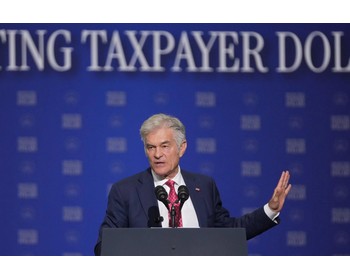
The Trump administration announced on Tuesday that it would…
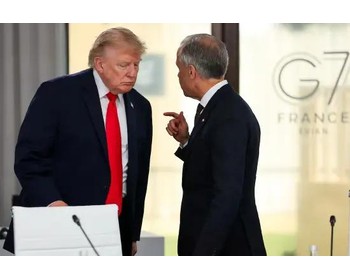
On July 21st local time, Canadian Prime Minister Mark Carne…
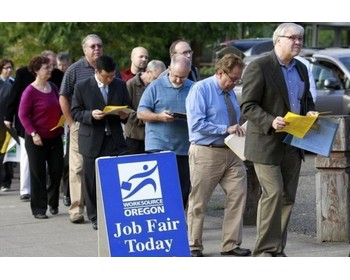
According to the Associated Press, the latest data from the…

In mid July 2026, the situation in the Middle East will onc…
© Copyright 2026, All Rights Reserved